Economists see Fed holding rates steady through 2026, Reuters poll shows
Most economists now expect no Fed rate cuts through 2026, leaving borrowers facing costly mortgages, car loans and card debt as war-driven inflation persists.

Borrowers hoping for relief on mortgages, car loans and credit cards are likely to wait much longer. Most economists now expect the Federal Reserve to keep interest rates in the 3.50% to 3.75% range through the end of 2026, a stance that would leave borrowing costs elevated for households and businesses even as growth cools.
That view hardened as war-driven energy shocks and a stronger labor market undercut the case for near-term easing. In a poll of 102 economists conducted from June 4 to June 9, 72 said the Fed funds rate would stay unchanged through year-end, and none expected a cut at the Federal Open Market Committee meeting set for June 16-17, Kevin Warsh’s first as Fed chair. The Fed last left rates unchanged on April 29, and that target range was the lowest since November 2022.
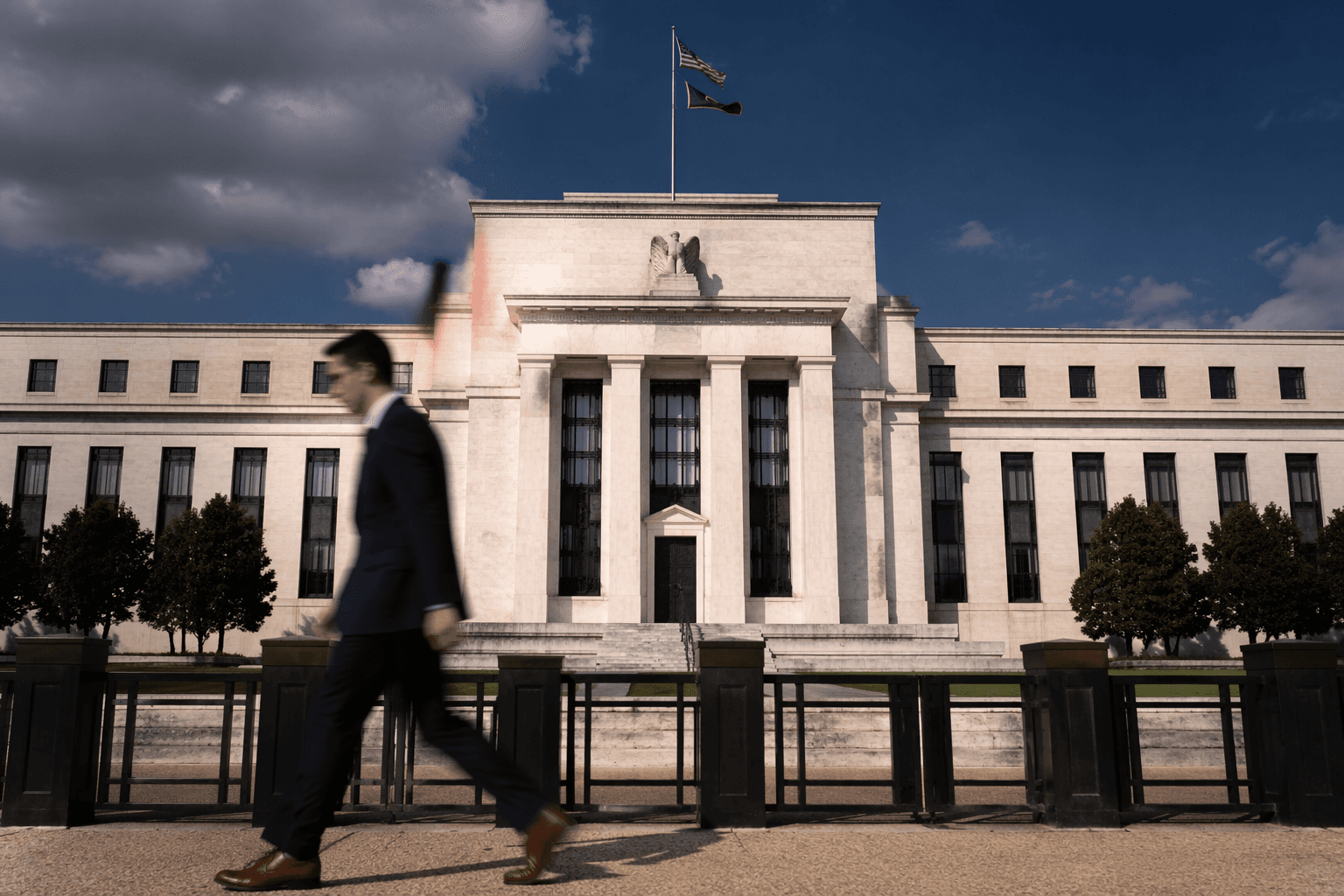
The policy backdrop gives the central bank little room to move. Inflation is running at roughly twice the Fed’s 2% goal, and there is little sign of a quick return to target after more than five years of elevated price pressures. Economists said war-related shocks to energy markets, including higher fuel prices, had already pushed expectations toward a longer pause before the latest data landed. Some now expect the Fed to strip out any easing bias from its next statement, a signal that cuts are not the base case.
The labor market has made that dilemma sharper. The May jobs report showed nonfarm payrolls rose by 172,000 and the unemployment rate held at 4.3%, while March and April payrolls were revised up. That strength strengthened the argument that the economy can tolerate restrictive policy for longer, even if it weighs on hiring and rate-sensitive spending. The Bureau of Labor Statistics was set to release the May consumer price index on June 10, adding another inflation reading to a debate already shaped by stubborn price gains.
Market pricing has turned even more hawkish than the economists’ poll. Rate futures traders increased the odds of a December hike after the jobs report, showing how quickly the outlook has shifted. Gus Faucher and other economists have said it will be very difficult for the Fed to justify cutting rates any time soon, and the likelihood of fewer cuts, or even higher rates, has risen as inflation, labor-market resilience and geopolitical stress keep pulling policy in the same direction.
This article was produced by Prism’s automated news system from verified source data, official records, and press releases, then run through automated quality and moderation checks before publishing. The system is built and supervised by the people who set the standards it runs under. Read our full AI policy.
Did this article answer your question?