Efficient batch miniature painting workflow for tabletop quality
Learn a fast, repeatable workflow to finish batches of miniatures to tabletop standard using staging, limited palettes, and rapid primer/basecoat methods.
1. Why batch painting matters and what you'll gain
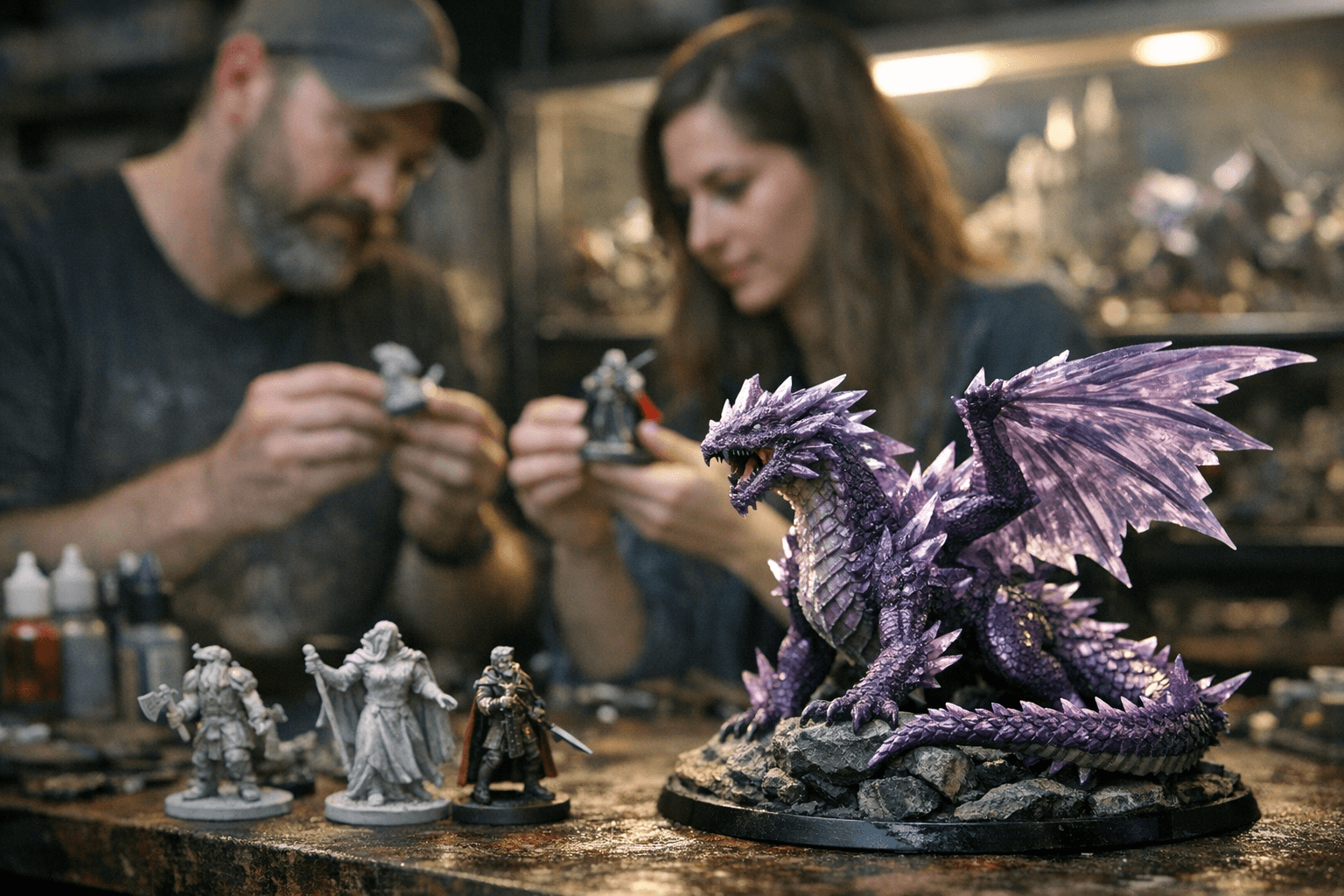
Batch painting isn't about cutting corners, it's about momentum and consistency. When you paint multiple models together you reduce setup and drying-time overhead, develop muscle memory for repeated steps, and produce an army or boardgame box that reads well on the table. Expect faster time-per-mini and a uniform tabletop look that still preserves character on each model.
2. Plan and stage before the first brushstroke
Start by planning your run: sort models by pose or color scheme, and designate workstations for each process (priming, basecoating, shading, highlights). Staging means grouping minis by the step they're on so nothing sits idle; this keeps you moving and reduces decision fatigue. A short plan also tells you what tools and paints to load so you avoid switching mid-task.
3. Sub-assembly strategies to keep detail accessible
Sub-assemble key areas that would be awkward to paint later, heads, weapons, cloaks, so you can reach recesses without smudging other parts. Leave parts separate if they need different basecoats or washes; reattach after painting with superglue or a tiny dab of plastic glue as appropriate. Thoughtful sub-assembly keeps cleanup simple and preserves crisp lines when you reassemble.
4. Primer and basecoat tactics for speed and consistency
Use an airbrush or rapid spray primer for fast, even coverage across a batch, then follow with selective brush touch-ups only where needed. This combo gives a fast, thin base that preserves detail and reduces time lost sanding or re-priming. If you don’t have an airbrush, rotate spray-primer cans and keep models angled so you hit hard-to-reach areas without pooling.
5. Use limited palettes and repeatable color recipes
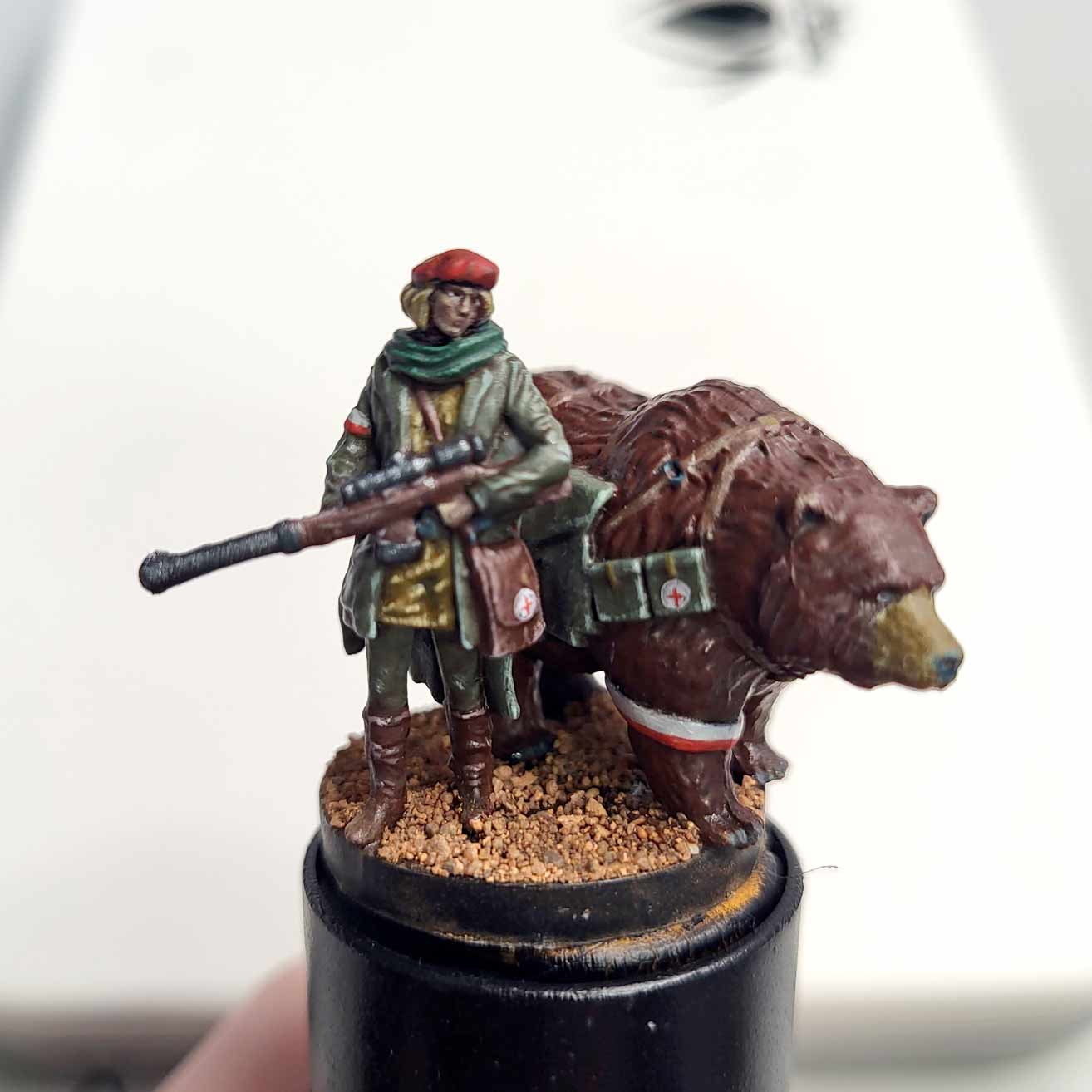
Choose a small palette of 3–6 core colors and a few metallics, and create simple, repeatable color recipes for common areas (armor, skin, cloth). Sticking to recipes means you can mix one formula and paint dozens of parts that match, cutting decision time and ensuring cohesion across the batch. Record your recipes (photo or short note) so the next session starts with the same look.
6. Washes and drybrushing for quick depth and contrast
Washes add instant recess shading across multiple miniatures with minimal brushing effort; apply them liberally to basecoated batches and let capillary action do the work. Follow with a light drybrush on raised edges to restore highlights and texture; this two-step combo is a fast shortcut to depth without hours of layering. Use heavier washes on recessed details and lighter ones on flatter surfaces to control contrast.
7. Staging several minis at different process steps to cut idle time
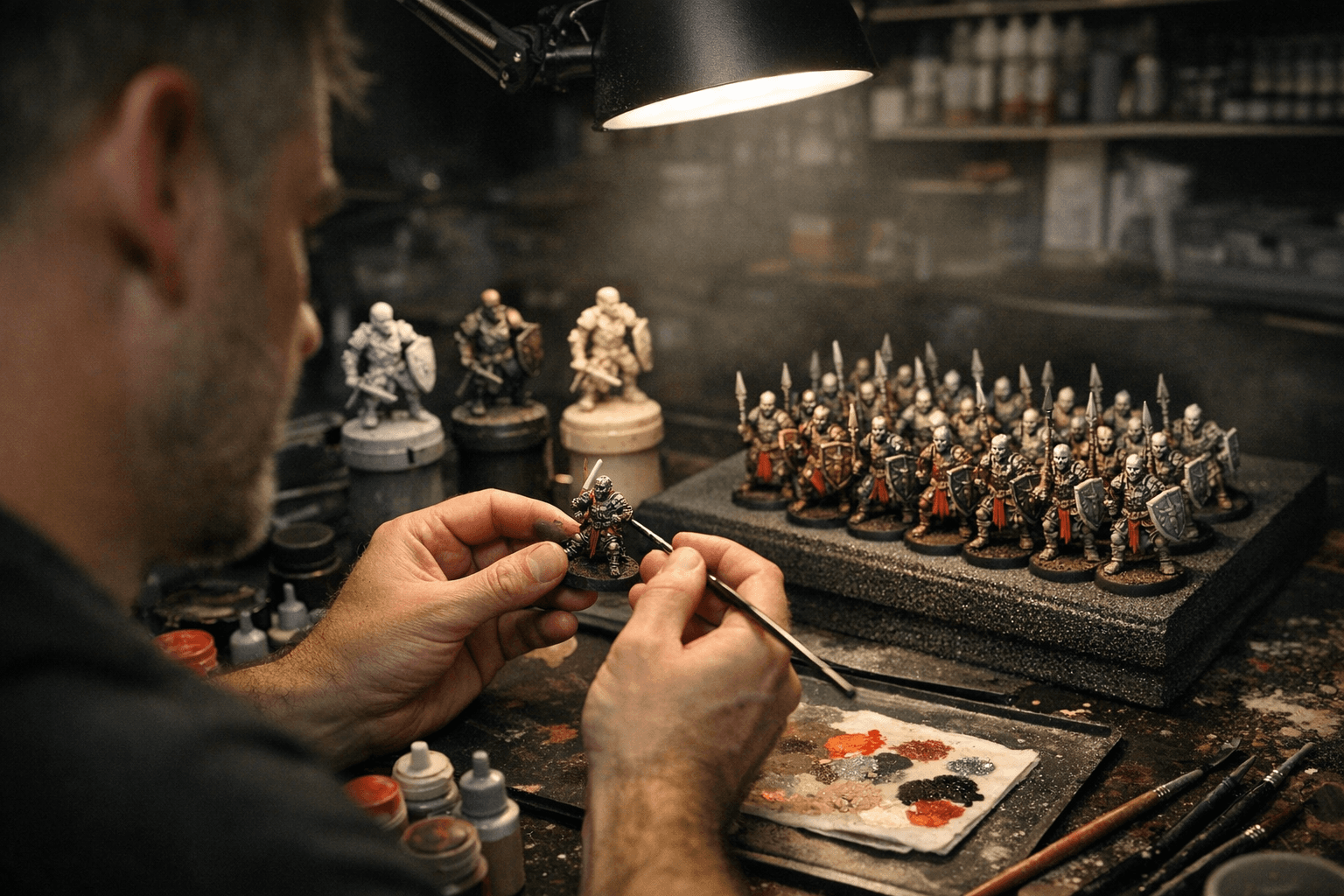
Rotate models through distinct stations: while one group dries after priming, work on undercoats for another, and shade a third. This assembly-line approach turns waiting into productive time and keeps your hands busy without rushing layers. Label trays or use egg cartons/compartment boxes to keep batches separate and avoid mixing steps.
8. A practical step order to maximize throughput
1. Sort and sub-assemble by type.
2. Prime whole batch (airbrush/rapid spray).
3. Basecoat with limited palette recipes.
4. Apply washes to groups.
5. Drybrush raised edges.
6. Selective touch-ups and reassembly.
7. Varnish and basing. Follow this sequence to reduce back-and-forth and keep drying times predictable; it’s a reliable conveyor belt for tabletop-ready results.
9. Recommended tools and paint choices that save time
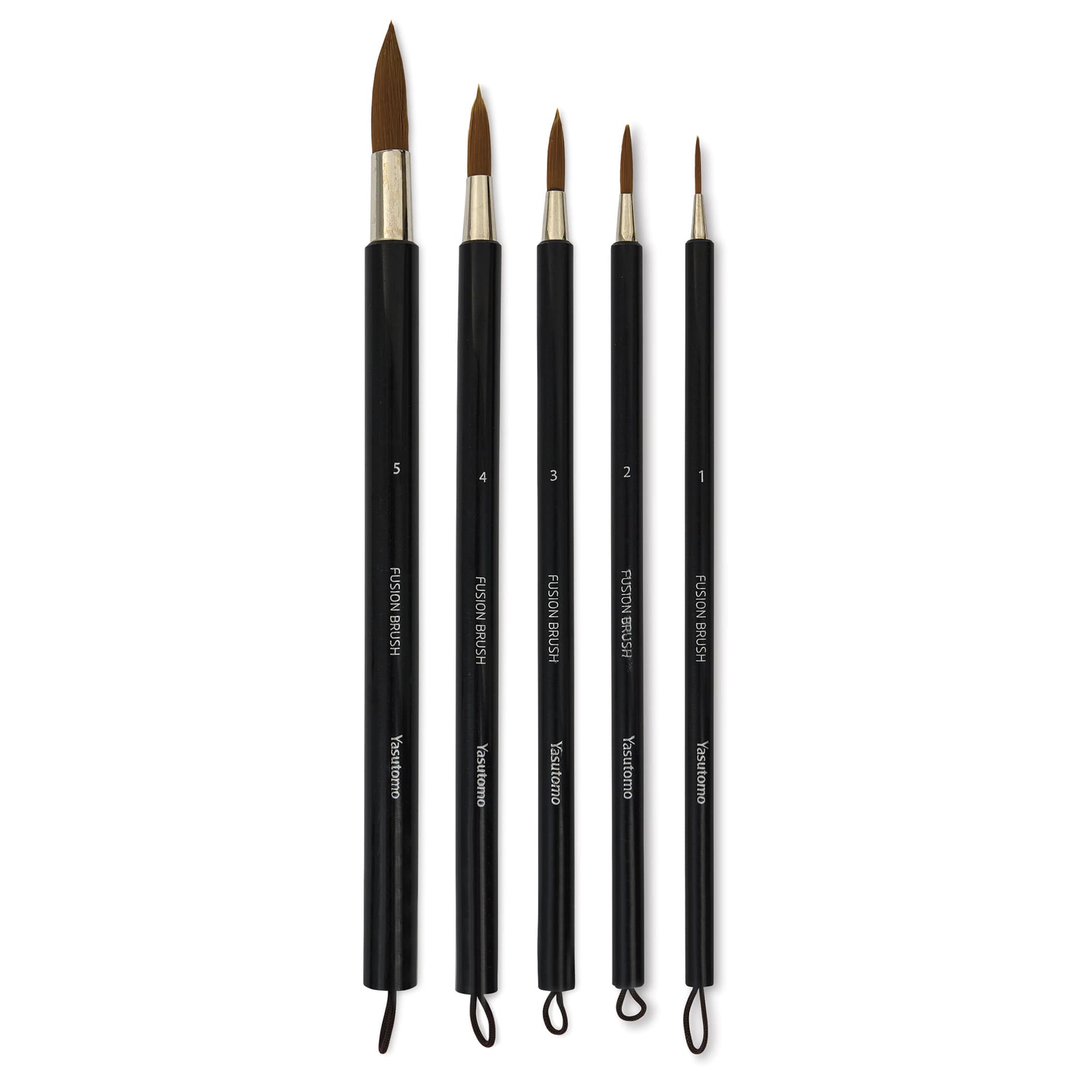
An airbrush or quality spray primer is the biggest speed upgrade; pair it with a small selection of paints you trust for opacity and flow so you don't need multiple passes. Keep a couple of medium-bodied washes and a soft drybrush for highlights on hand, plus a reliable varnish for batch sealing. Invest in simple staging gear, clips, trays, and holders, to avoid fumbling while glue or paint dries.
- Batch your thinning, mixing, and cleanup so you do each task once for many minis.
- Use photo references or a single painted exemplar to match color recipes across sessions.
- Clean brushes between major color groups, not after every stroke, to keep momentum. These small workflow tweaks preserve quality while shaving minutes off each model.
10. Small habits that compound into big time savings
The takeaway? Nail the plan, keep palettes tight, and move models through staged stations so drying time becomes productivity, not delay. Our two cents? Treat batch painting like a relay race, set clear handoffs, simplify decisions, and you’ll cross the finish line with an army that looks great on the tabletop and didn’t eat your whole weekend.
Know something we missed? Have a correction or additional information?
Submit a Tip