El-Sayed, Stevens make final push in Michigan Senate primary
El-Sayed led Stevens 54% to 39% in a new poll, and the Michigan Senate primary has become a referendum on Democrats' future in a battleground state.
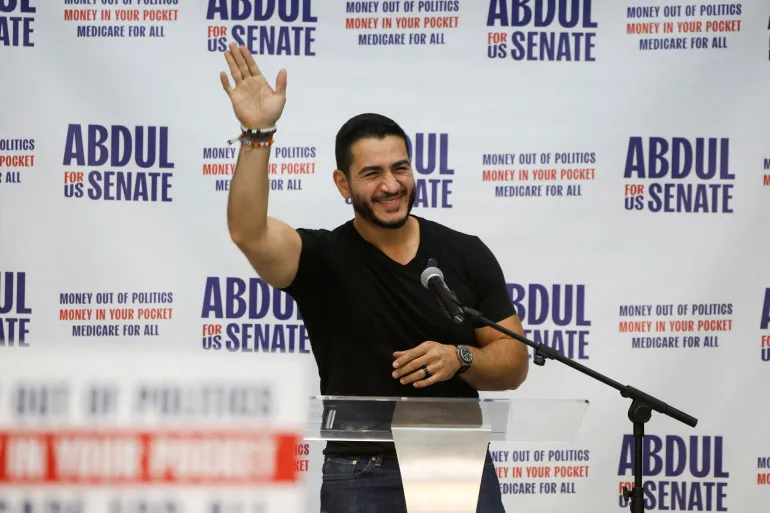
Abdul El-Sayed opened the final stretch of Michigan’s Democratic Senate primary with a clear polling edge, as an Emerson College/WLNS 6 News survey released July 30 put him ahead of U.S. Rep. Haley Stevens 54% to 39% among likely Democratic voters. The race, set for Tuesday, has become a test of whether Democrats in a battleground state will choose a progressive message built around health care and economic inequality or a more establishment pitch centered on pragmatism and keeping the seat blue.
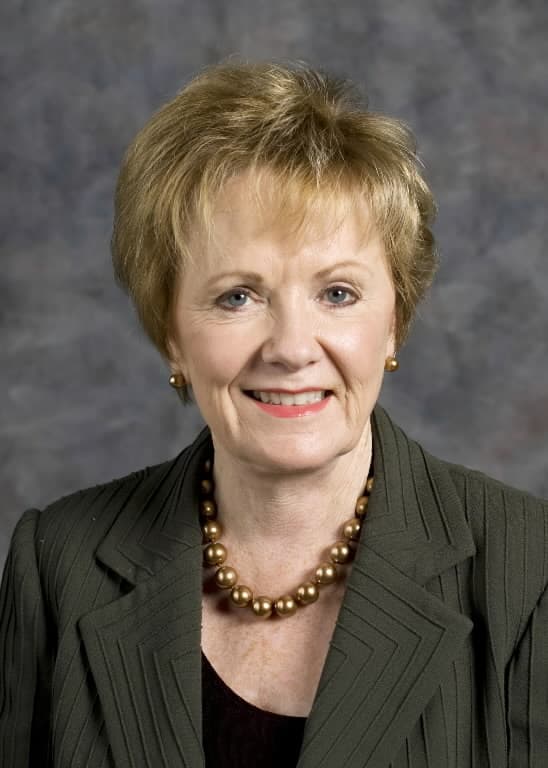
El-Sayed, a physician and former Wayne County health director, has leaned on his public health background while arguing that Democrats need a harder-edged response to affordability, health care access and opposition to President Donald Trump. Stevens has cast herself as the safer general-election choice, with endorsements from Michigan Gov. Gretchen Whitmer and Sen. Gary Peters reinforcing her appeal to suburban and working-class voters who want to hold a seat Democrats see as essential.
The primary has also become a national signal for the party’s Senate strategy. A Data for Progress memorandum dated July 10 said a June 15-22 survey found El-Sayed slightly stronger than Stevens against Republican Mike Rogers, putting El-Sayed at 47% to Rogers’ 46% and Stevens at 45% to 46%. For Democrats, that kind of polling feeds a larger argument over whether a candidate with sharper ideological appeal or one with a more conventional profile is better positioned in a state that often decides control of Washington.
That debate has been intensified by the race’s outside attention and money. Sen. Chris Van Hollen backed El-Sayed, giving the progressive wing a prominent Senate ally, while outside groups spent more than $60 million trying to help Stevens beat him. AIPAC’s spending against El-Sayed turned the contest into a flash point in the party’s internal fight over Israel, adding another layer to a race already shaped by questions about affordability, labor and how Democrats should answer Trump in Michigan.
The polling has been volatile. Michigan Advance said July 8 that El-Sayed and Stevens were statistically tied, even as a Polymarket listing showed El-Sayed at 84% to win the Democratic primary, Stevens at 15.6%, and Mallory McMorrow and Dana Nessel each below 1%. However Tuesday turns out, the winner will carry not just Michigan’s nomination but also an early verdict on which Democratic coalition looks best built for a high-stakes general election.
This article was produced by Prism’s automated news system from verified source data, official records, and press releases, then run through automated quality and moderation checks before publishing. The system is built and supervised by the people who set the standards it runs under. Read our full AI policy.
Did this article answer your question?