Elaine 1919 Massacre: Phillips County Reckons with Red Summer Violence
Large-scale killings, arrests and detentions followed a meeting of Black sharecroppers in Elaine in 1919, a violent episode that shaped Phillips County's social and economic landscape.
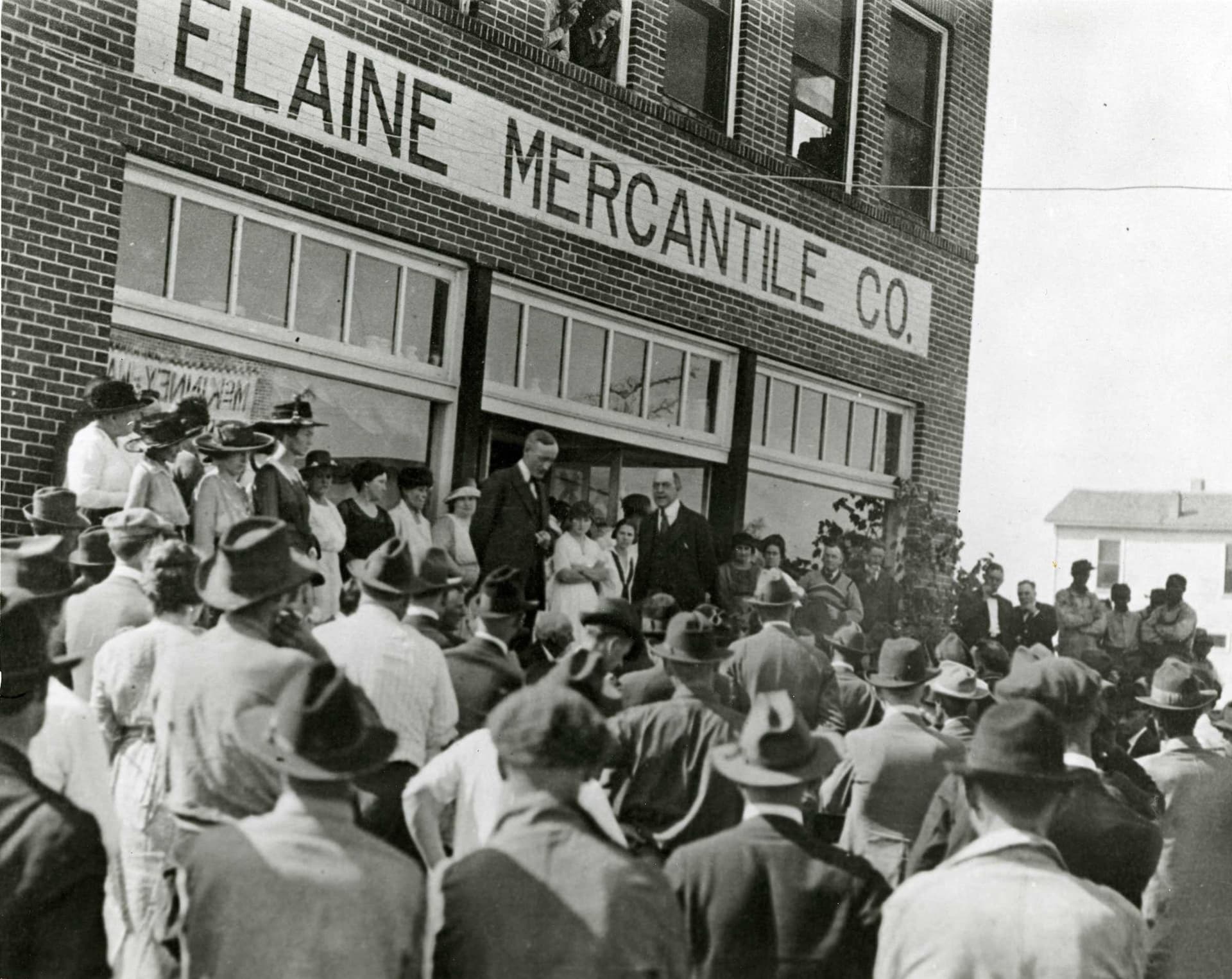
Large-scale killings, arrests and detentions of Black residents followed a Hoop Spur meeting of Black sharecroppers on Sept. 30, 1919, when an effort to organize for fairer treatment collided with entrenched racial and economic power in Phillips County. The violence in Elaine was part of the broader Red Summer of 1919, a nationwide wave of race riots and repression that intensified fears about labor unrest and social change.
The roots of the Elaine massacre lie in post-Civil War labor and land-use systems. Reconstruction after 1865 gave way to the Gilded Age around 1870, a period of industrial growth and extreme inequality. In the Delta, agricultural production depended on sharecropping, tenant farming and peonage, systems that left Black families economically vulnerable and politically marginalized. In this context the Progressive Farmers and Household Union of America (PFHUA) began organizing Black sharecroppers to demand a fairer share of the harvest and protection from exploitative practices.
Tensions spread across the Delta as rumors and anxieties mounted. The Hoop Spur meeting was intended as a labor-organizing gathering; it was followed by a shooting, the rapid arrival of federal troops and the mobilization of white mobs. The result was extensive violence against Black residents, mass arrests and a long aftermath of legal retaliation that further disrupted families and livelihoods.
For Phillips County residents, the Elaine events were not merely a single tragedy. They reshaped labor markets, land tenure and local governance. When organizers challenged the status quo, the backlash curtailed bargaining power for Black laborers and reinforced mechanisms that concentrated land and capital in fewer hands. The combination of violence, arrests and legal repression accelerated dispossession and contributed to long-term patterns of economic inequality in the Delta.
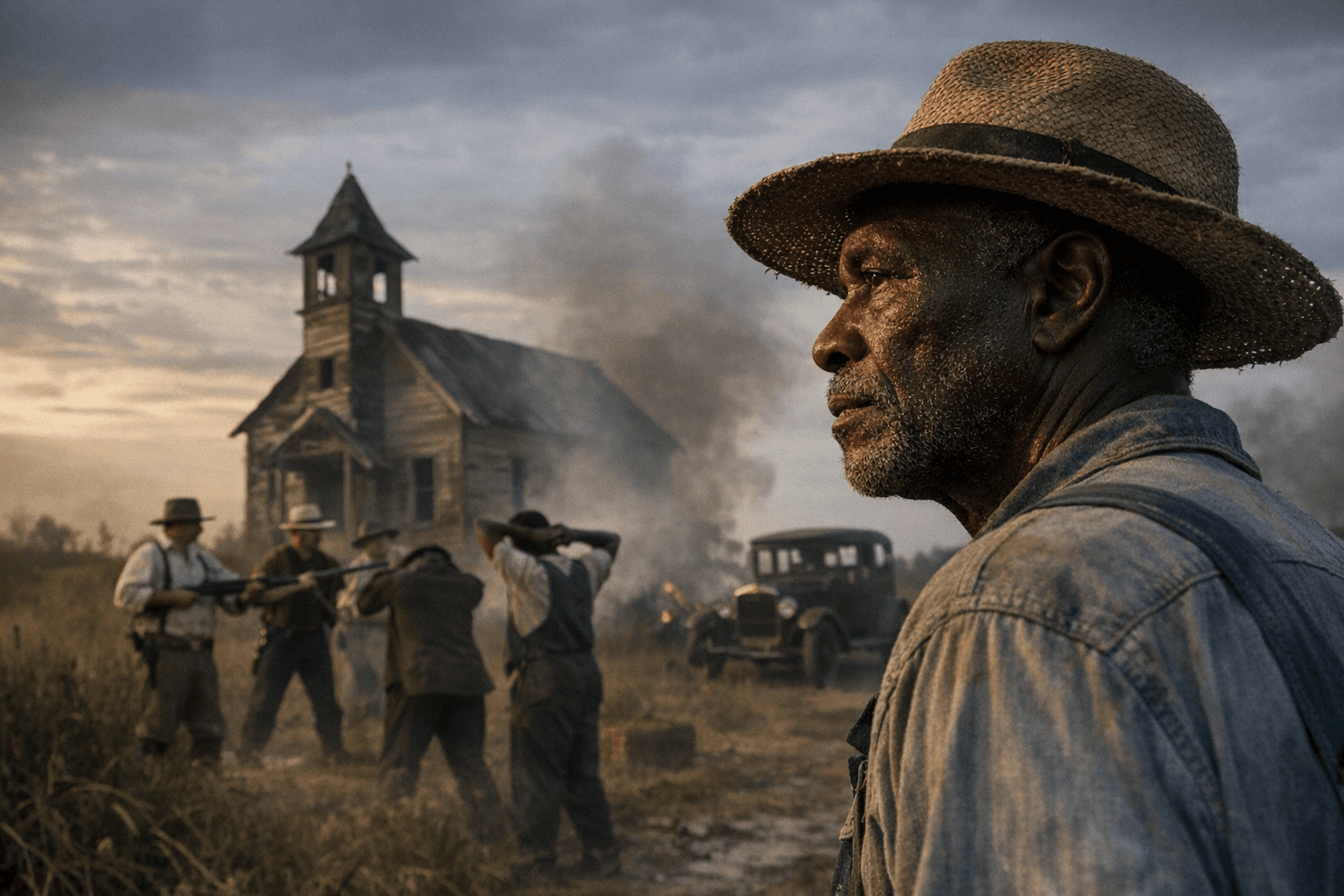
The local economic implications have persisted across decades. Agricultural communities depend on stable labor relations and predictable access to credit and land; the suppression of organizing during and after 1919 hindered efforts to modernize production, diversify the rural economy or build inter-racial institutions for shared prosperity. At the national level, the Red Summer intensified migration pressures that would feed the Great Migration, draining labor from the South and changing labor markets in both sending and receiving regions.
Reckoning with Elaine means more than memorializing a single event; it requires confronting the economic structures that enabled violence and dispossession. For Phillips County that includes preserving local memory, supporting educational initiatives about the 1919 events, and considering policy tools, land access programs, equitable economic development, anti-discrimination enforcement and restorative justice measures, that address the structural legacies of racial violence.
The Elaine massacre remains central to the Delta’s history because it fused questions of race, labor and power with real economic consequences for families and the county. Facing those consequences honestly is the next step for officials, schools, civic groups and residents who want a more just economic future for Phillips County.
Sources:
Know something we missed? Have a correction or additional information?
Submit a Tip