Elder Jeffrey R. Holland dies, church succession and care questions arise
Elder Jeffrey R. Holland, a senior leader widely regarded as next in line to lead The Church of Jesus Christ of Latter day Saints, died at 85 on December 27, 2025 from complications associated with kidney disease, the church announced on its website. His death reverberates through a global faith community facing an aging leadership cohort and raises practical questions about elder care, chronic disease management, and the supports congregations provide to vulnerable members.

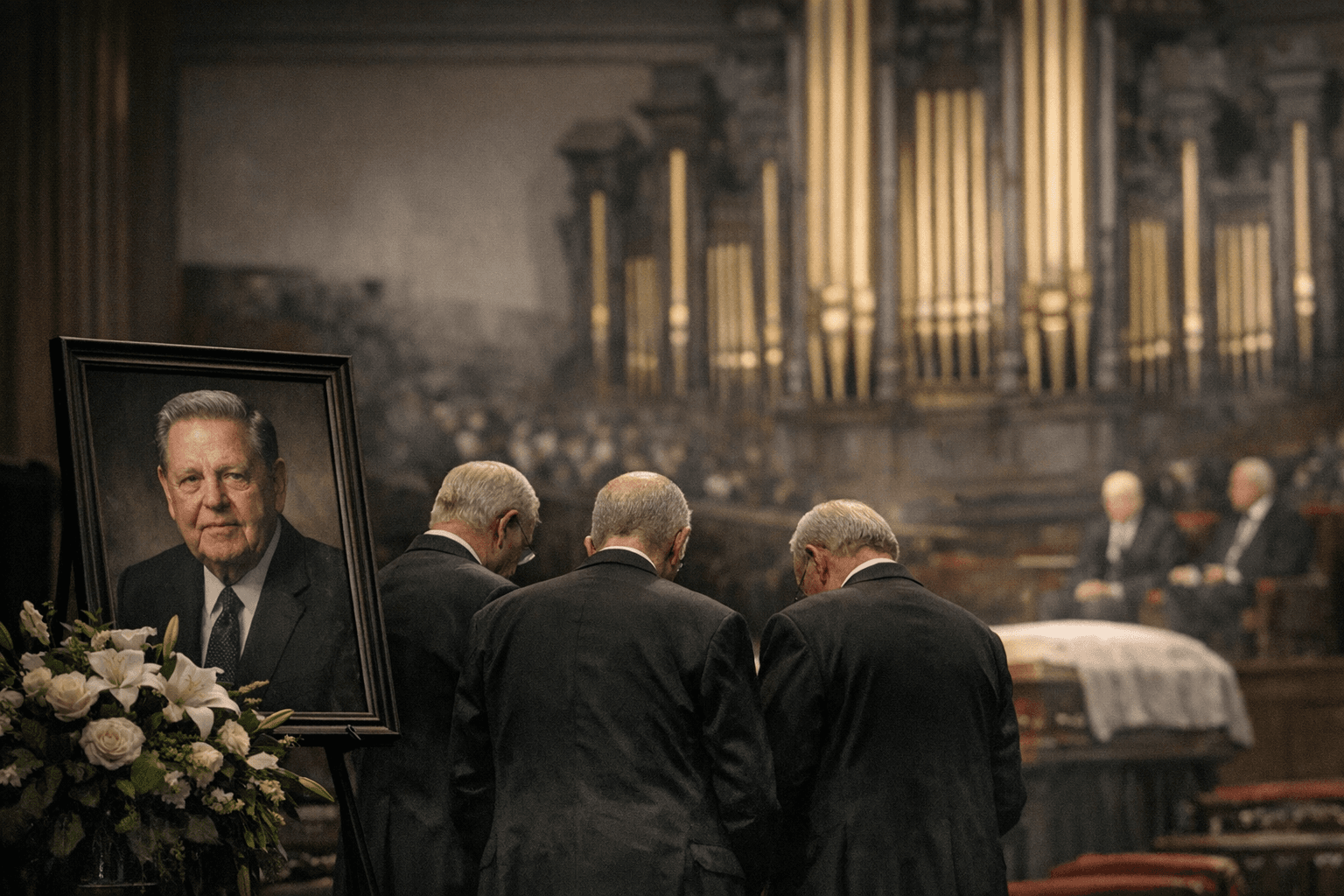
The Church of Jesus Christ of Latter day Saints announced that Elder Jeffrey R. Holland, a member of the Quorum of the Twelve Apostles and the acting president of that body, died early on Saturday December 27, 2025. He was 85 years old. The church attributed his death to complications associated with kidney disease and posted the announcement on its official website.
Holland had been widely viewed as next in line to become president of the church under the institution's seniority based succession practice. He was set apart as Acting President of the Quorum of the Twelve Apostles on November 15, 2023, following the death of Acting President M. Russell Ballard earlier that month. With Holland's passing, Henry B. Eyring, one of President Dallin H. Oaks' two counselors, is now reported to be next in line under the seniority rules that govern the church's highest office.
A longstanding figure in the global Latter day Saint community, Holland served more than 25 years as a general authority and spent decades in the Church Educational System where he earned a reputation as a master teacher and an influential speaker. His addresses at general conference and educational settings were often circulated and cited by members. Church publications and local coverage in Utah have emphasized his warmth, small town values, and an attentiveness to rank and file members even as public engagements became more limited in his later years.
Beyond institutional succession, Holland's death spotlights the public health realities faced by religious communities and their leaders. Chronic kidney disease is predominately a condition of older adults and can progress to life threatening complications that require complex medical interventions including dialysis and transplantation. For congregations that rely on close lay networks for caregiving, the loss of a senior leader underscores the dual burdens of medical need and social support for aging populations.
The church operates an extensive welfare and humanitarian apparatus and plays an active role in local congregational care. Holland's illness and passing highlights how faith based organizations mobilize resources for members with chronic illness and how disparities in access to specialty care and transplantation can affect outcomes. Elder care needs, transportation to medical appointments, and the emotional strain on families are practical concerns that many congregations will now need to address as a wave of senior leaders and longtime members age.
Holland's international assignments and interfaith engagements during his ministry reflected the global reach of the church and its network of local leaders. His death will prompt not only a reordering of top offices but an inward reckoning about how institutions prepare for leadership turnover, sustain medical care for prominent elders, and support congregations coping with loss.
Members of the faith and broader observers will be watching how the church manages the succession to its presidency and how it reinforces systems of care for aging leaders and vulnerable members. Holland's passing is at once an institutional milestone and a reminder of the wider social and health challenges that accompany demographic change in religious communities.
This article was produced by Prism’s automated news system from verified source data, official records, and press releases, then run through automated quality and moderation checks before publishing. The system is built and supervised by the people who set the standards it runs under. Read our full AI policy.
Did this article answer your question?

