Elisa Sunga's cake picnic cookbook turns gatherings into sweet events
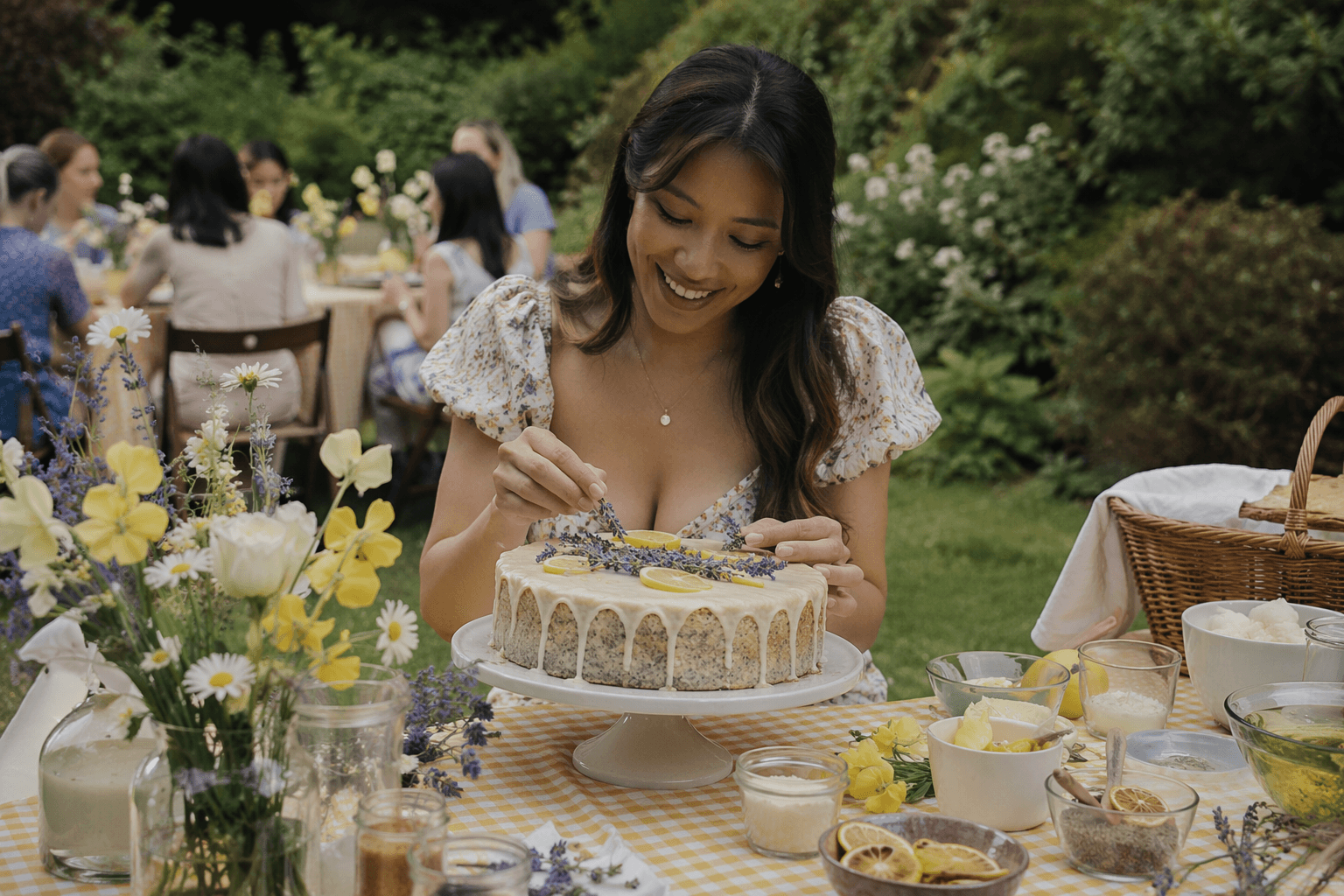
A lavender and lemon poppy seed cake becomes a blueprint for hosting Cake Picnic, the communal baking event Elisa Sunga turned into a cookbook and growing social ritual.

A cookbook built for the return of shared baking
Elisa Sunga’s new cookbook does more than collect dessert recipes. It packages cake as an excuse to gather, and in doing so it taps into a wider appetite for low-pressure, offline rituals that feel personal, communal, and celebratory. At the center is a lavender and lemon poppy seed cake, but the bigger story is Cake Picnic itself, a gathering idea that began with one invitation and quickly outgrew the scale of a single table.
Sunga’s book, *Cake Picnic: Recipes for the Love of Cake & Friends*, is both a recipe collection and a practical guide to hosting the kind of event that made her name. Published by Chronicle Books and released in hardcover on May 19, 2026, it includes 50 recipes along with advice for planning, hosting, and attending a Cake Picnic. The format reflects a larger shift in cookbook culture: readers are not only looking for what to bake, but for ways to turn baking into a social occasion with a clear, repeatable structure.
How Cake Picnic grew from invitation to movement
The Cake Picnic concept began with a simple invitation from Sunga, who posted about the first-ever gathering and was surprised when nearly 200 people showed up. That turnout transformed the idea from a small experiment into a recognizable format with enough momentum to travel well beyond its first location. What started as a single gathering has since expanded into multi-city events, including stops in Los Angeles and New York, with the series reaching beyond those cities as it continues to grow.
That expansion helps explain why the cookbook matters beyond one recipe. Sunga, who is also the cofounder of Bucket List Bake Club, has turned a one-off social idea into something that can be reproduced by home bakers and hosts. The book gives structure to a form of hospitality that is intentionally informal but still benefits from planning, especially when dozens of cakes are involved and each one arrives with its own timing, transport needs, and visual style.
The cake that anchors the book
The lavender and lemon poppy seed cake is the recipe that opens the door into Sunga’s larger project. Its floral note is rooted in a real memory: Sunga says the lavender flavor was inspired by a visit to a lavender field outside London. That detail matters because it shows how the cookbook connects personal experience to a dessert that can be made at home without feeling fussy or inaccessible.
She recommends using food-grade lavender extract, both for convenience and for a more reliable lavender flavor. That advice is part of the book’s practical appeal. Rather than treating cake as something precious or technically intimidating, the recipe approaches flavor with clarity and simplicity, which fits the book’s larger goal of making cake gathering feel welcoming rather than ceremonial. The lemon poppy seed base adds a familiar brightness that balances the floral element, giving the cake a familiar profile with just enough surprise to make it feel like a centerpiece.
What the book teaches beyond baking
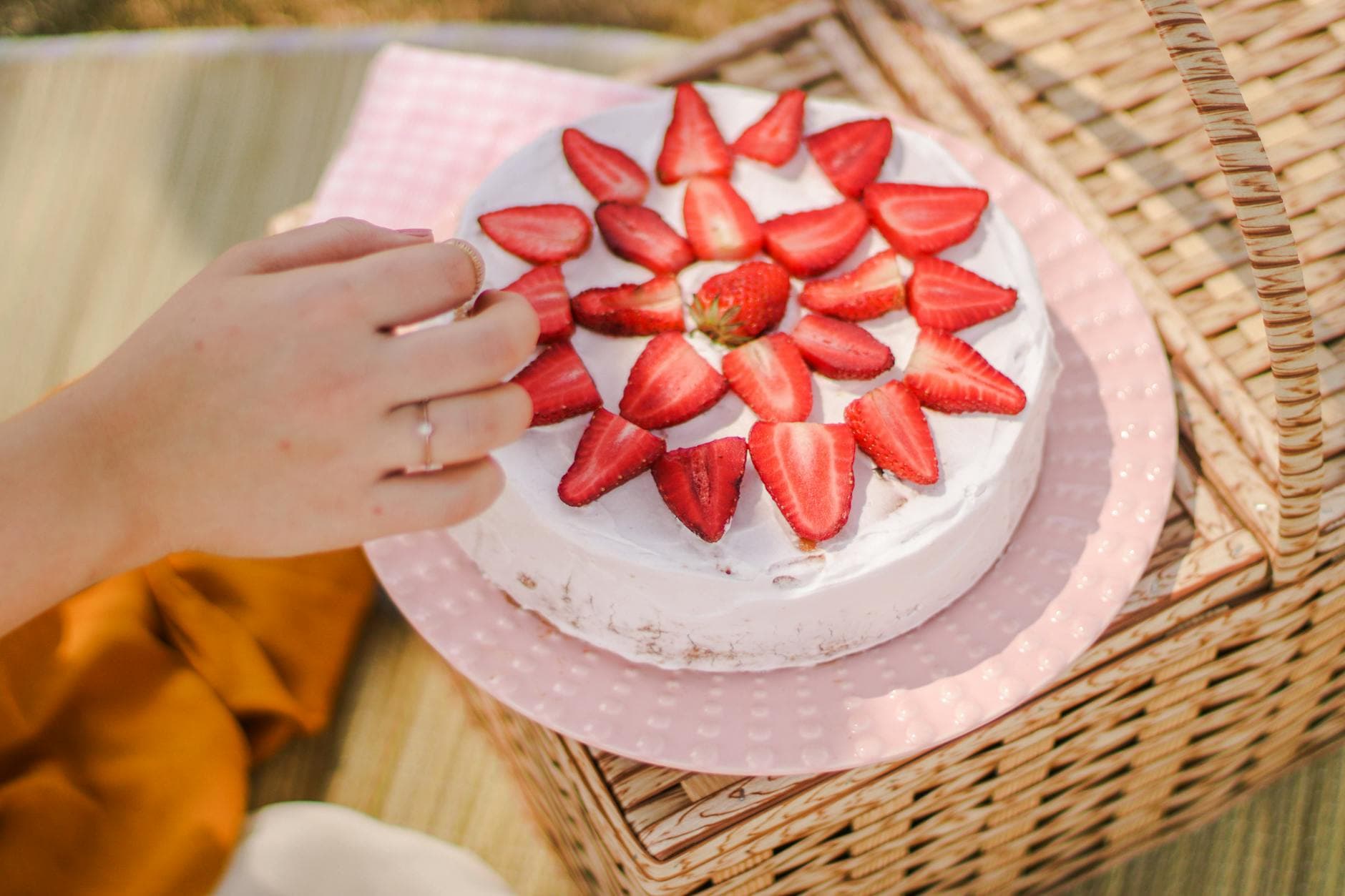
The most distinctive part of *Cake Picnic* is that it treats hosting as a skill set. Alongside the 50 recipes, the book lays out guidance for planning, hosting, and attending a Cake Picnic, so the reader is not left guessing how to move from a dessert menu to a full gathering. The advice covers how to choose a theme, prepare guests, set up the event, encourage connection, and transport whole cakes without ruining the presentation.
That matters because Cake Picnic is not a standard potluck. The idea depends on abundance, variety, and a sense of shared spectacle, but it also needs enough structure to keep the event from collapsing into chaos. Organizing by theme helps give the gathering shape, whether the mood is an Autumn Harvest Cake Picnic or an Afternoon Tea Cake Picnic. Those examples show how the concept can shift from season to season while still staying recognizable as a gathering centered on cake.
- choosing a theme that gives the event a clear identity
- preparing guests so they know what to bring and expect
- setting up the space to make cakes easy to display and share
- encouraging conversation so the gathering feels social, not transactional
- transporting whole cakes with care so each dessert arrives intact
Practical hosting tips in the book include:
This is where the cookbook becomes especially useful for readers who care about entertaining but want something more relaxed than a formal dinner party. Cake Picnic offers an alternative built around dessert, conversation, and the pleasure of seeing many cakes in one place.
Why this resonates now
Cake Picnic fits a larger cultural moment in which people are gravitating toward gatherings that feel homemade, tactile, and less performative than big nights out. Baking is already one of the most accessible ways to create something generous at home, and Sunga’s project gives that impulse a social form. Instead of a solitary loaf cooling on the counter, the cake becomes an invitation to show up, contribute, and share.
That helps explain why the book reads as more than a niche baking title. Its 50 recipes provide the substance, but its real value lies in making the social mechanics of sharing cake feel legible and repeatable. In a period when many people are looking for easy ways to reconnect offline, Sunga’s cookbook shows that the simplest gathering structure can still feel inventive: bring cake, make room, and let the room fill itself.
Know something we missed? Have a correction or additional information?
Submit a Tip