Elon Continues Water Line Inventory; No Lead Found, 66 Galvanized Pipes
Elon continues an inventory of water service lines; no lead piping has been found and 66 galvanized pipes were identified, raising cost and rate concerns for residents.
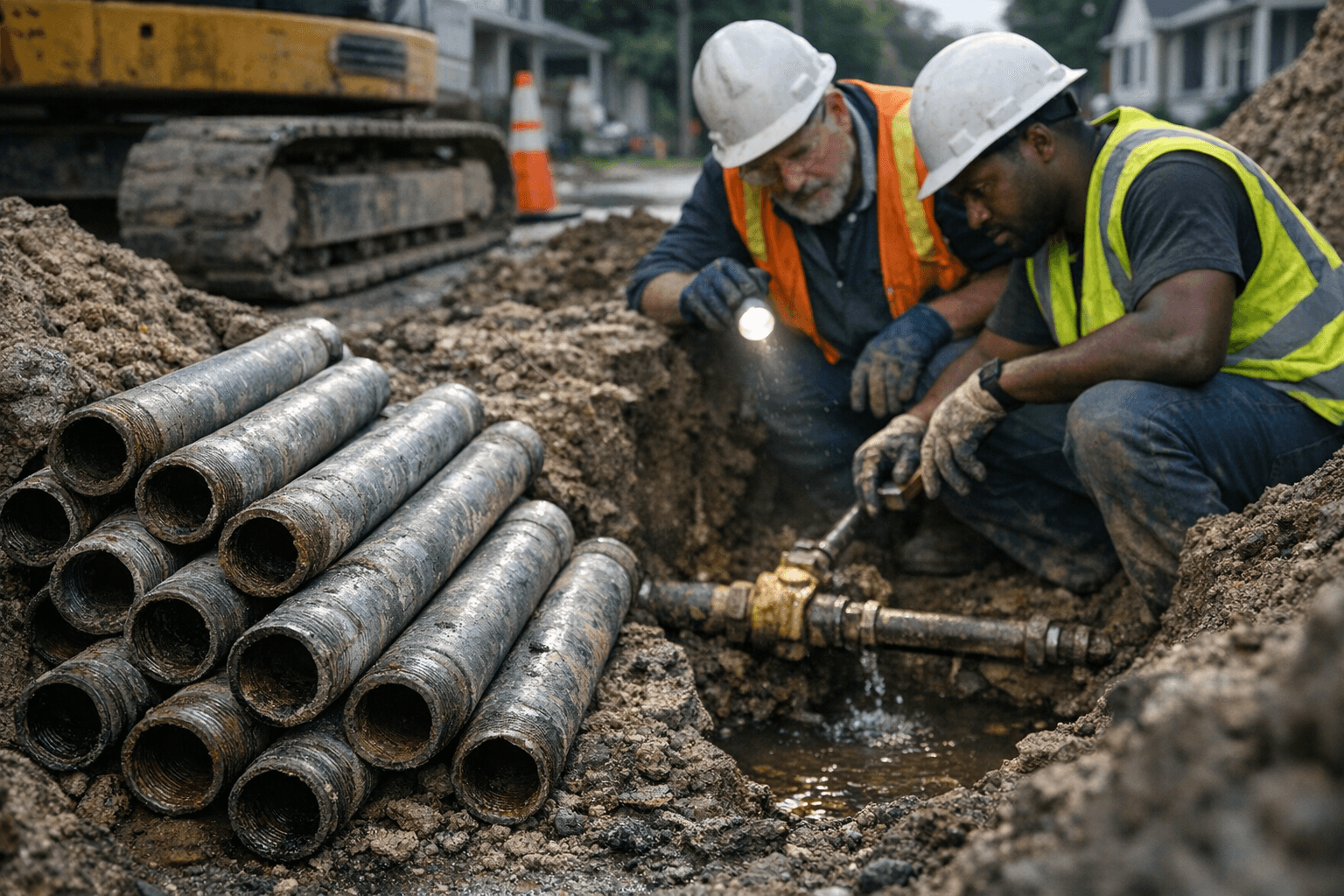
Elon officials are continuing an inventory of water service lines to find lead and other potential hazards, and so far no lead piping has been found in the town’s residential system. Contractors working under a state-funded project have identified 66 locations with galvanized steel piping while inspecting service lines on either side of water meters that serve roughly 2,111 residential customers.
Alley, Williams, Carmen & King (AWCK) is overseeing the inventory. AWCK associate and Elon town engineer Josh Johnson said initial "desktop" records ruled out more than half of residences; contractors then excavated about 500 sites and found the 66 galvanized lines. With 366 locations remaining to be inspected, the town faces choices about how quickly to complete the work and how to pay for any necessary replacements.
The inventory began with a state grant in 2022 and remains active as officials weigh costs against public-health priorities. The town estimates inspections for the remaining sites will cost between $300 and $500 per location, a total of roughly $144,400 to complete the cataloging. Replacing the 66 galvanized lines already identified could cost about $252,000. Town leaders have discussed applying a 10-year timetable for replacements and seeking state and federal grants to offset the financial burden.
Council members have expressed concern that replacement work could force utility rate increases, and they said residents’ reactions factored into deliberations. Mayor Emily Sharpe emphasized the need to eliminate lead in drinking water while balancing costs for the community, reflecting a tension familiar to many small towns facing infrastructure upgrades.
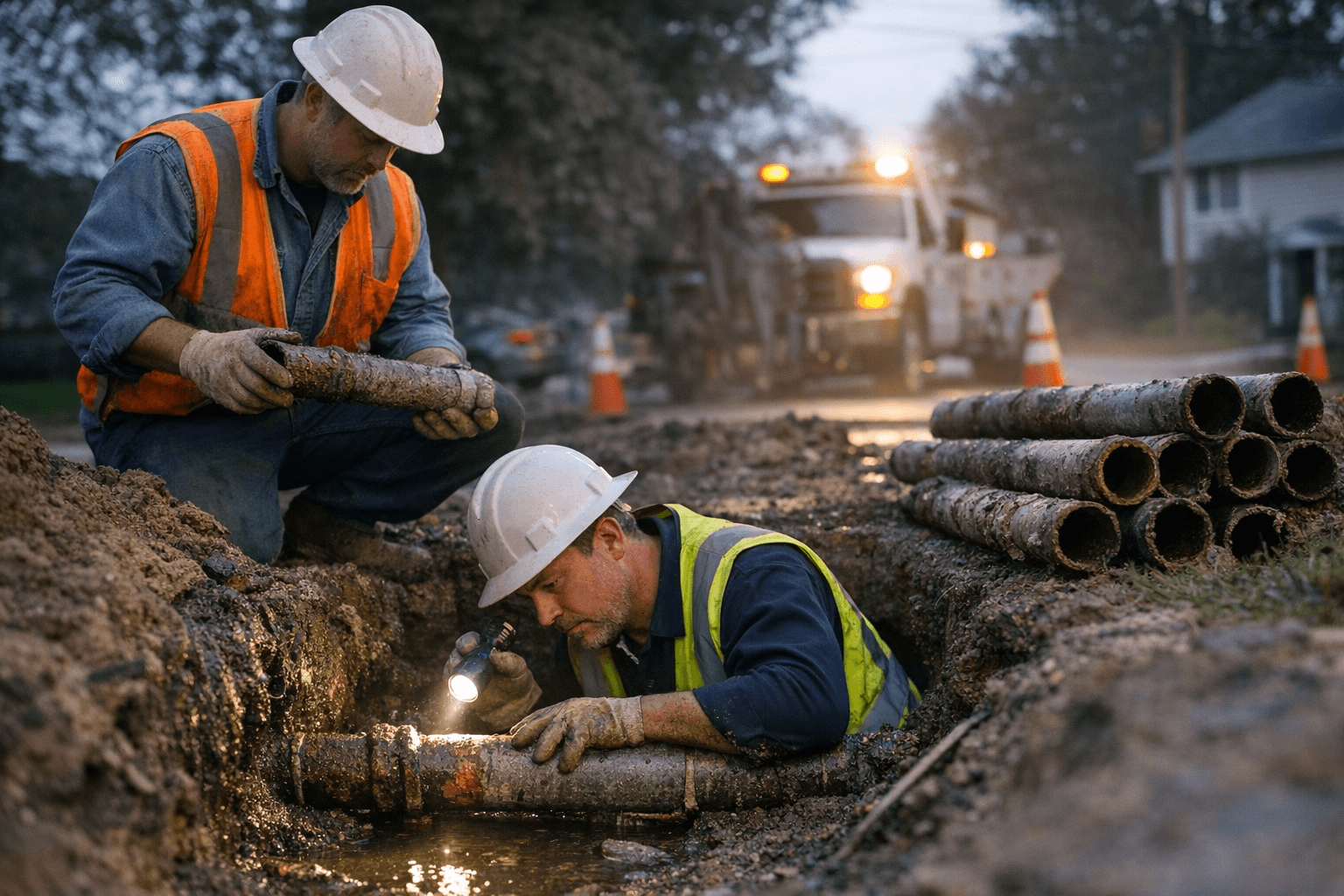
For Elon residents, the immediate impact is procedural: most households have been cleared by desktop review, some properties required excavation for confirmation, and a subset will likely face future replacement timelines if galvanized lines are determined to be risks by health standards. The town’s approach - continuing the inventory, estimating costs, and pursuing grant funding - aims to limit sudden spikes in water bills while addressing long-term safety concerns.
Next steps include completing the remaining inspections, finalizing a replacement schedule, and pursuing outside funding to lower local cost exposure. For now, town officials say the absence of detected lead piping is a positive outcome, but residents should expect continued fieldwork and council discussions as Elon moves from inventory to potential repairs and funding decisions.
Sources:
Know something we missed? Have a correction or additional information?
Submit a Tip