Elon Council Approves Rezoning for University's Dyslexia-Focused Elementary at Trollinger House
The Elon Town Council voted 4–1 to allow Trollinger House to be converted into a dyslexia-focused elementary under TA-2025-02, permitting downtown repurposed schools with fewer than 50 students.
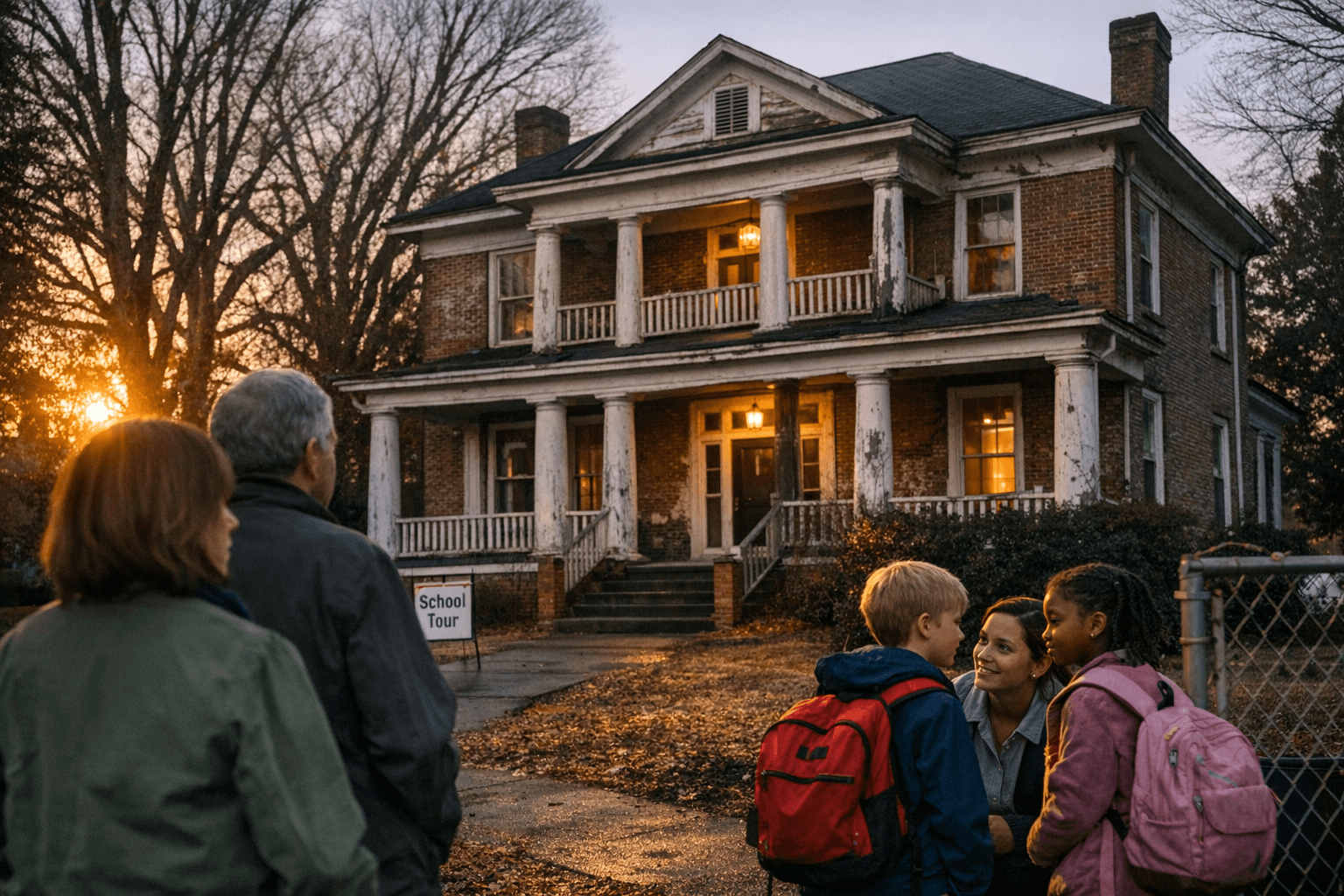
The Elon Town Council voted 4–1 to approve a university request that enables conversion of Trollinger House from a dormitory into a special‑education elementary school focused on children with dyslexia and related language‑based learning differences. The council’s action implemented a legislative text amendment to the town’s Land Management Ordinance, filed as TA-2025-02, to permit adaptive reuse of existing downtown buildings for elementary schools with fewer than 50 students.
The amendment moved through the town process with planning staff and the Planning Board backing the change. At its Jan. 20, 2026 meeting the Planning Board voted unanimously, 7–0, to recommend approval of TA-2025-02. Planning staff recommended approval and advised the council to hold a public hearing; the planning packet notes that because this is a legislative item, it requires a (non-Quasi Judicial) Public Hearing in front of the Town Council.
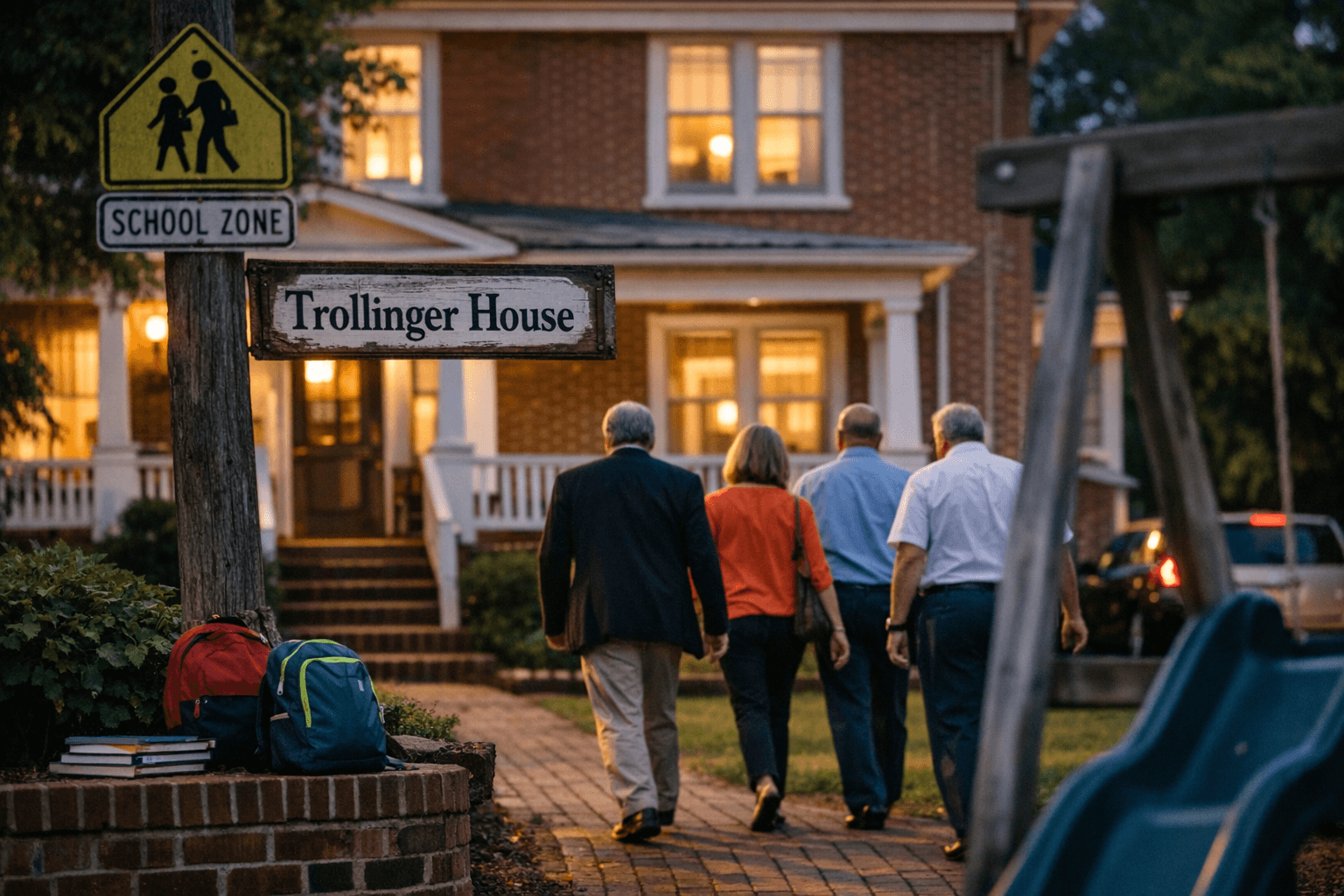
TA-2025-02 is narrowly written in the planning packet to apply only to existing buildings in the Downtown Core (DTC) and Downtown Periphery (DTP) zoning districts that will be converted into an elementary school for less than 50 students. The packet defines the scope of the change and the adaptive‑reuse standard: "For purposes of this provision, 'repurpose' means the retention and rehabilitation of an existing building for a new land use." The packet further states that the proposed text will allow conversion of existing buildings in the DTC and DTP into elementary schools for less than 50 students while preserving "all existing requirements for new school development" under the LMO.
Council debate reflected both support and hesitation. The Elon News Network noted council approval was met with skepticism from some members; Council member Quinn Ray said, despite his hesitancy, he thinks it's a good thing. Mayor Emily Sharpe had earlier raised concerns when the matter first came before the council, warning that the university’s request "amounted to a special pleading" and advising the council to reject the proposed regulatory provision. Councilman Michael Woods asked planning staff to investigate how other communities have handled similar dilemmas before the council rendered its final decision.
University representatives initially pitched the rule change to the council roughly two weeks before the final vote with the stated aim of enabling an adaptive‑reuse pathway downtown. The council was told the request would allow the university to avoid the setback and buffer requirements and the longer review processes associated with variances or conditional zoning requests that apply to new land uses in Elon’s downtown.
The council’s 4–1 approval of TA-2025-02 clears a legislative pathway for Elon University to pursue the Trollinger House conversion, but it does not authorize building permits or operational licensing. Planning staff’s recommended public hearing, any required site or building approvals, and documentation of the council roll-call vote remain necessary steps before the proposed dyslexia‑focused elementary can open.
Know something we missed? Have a correction or additional information?
Submit a Tip