Emilio Gay’s county form fuels England Test opener debate
Gay's surge at Durham has jolted England's opener debate. His form is forcing selectors to confront a familiar shortage of durable red-ball top-order options.
Why Emilio Gay is suddenly central to England’s thinking
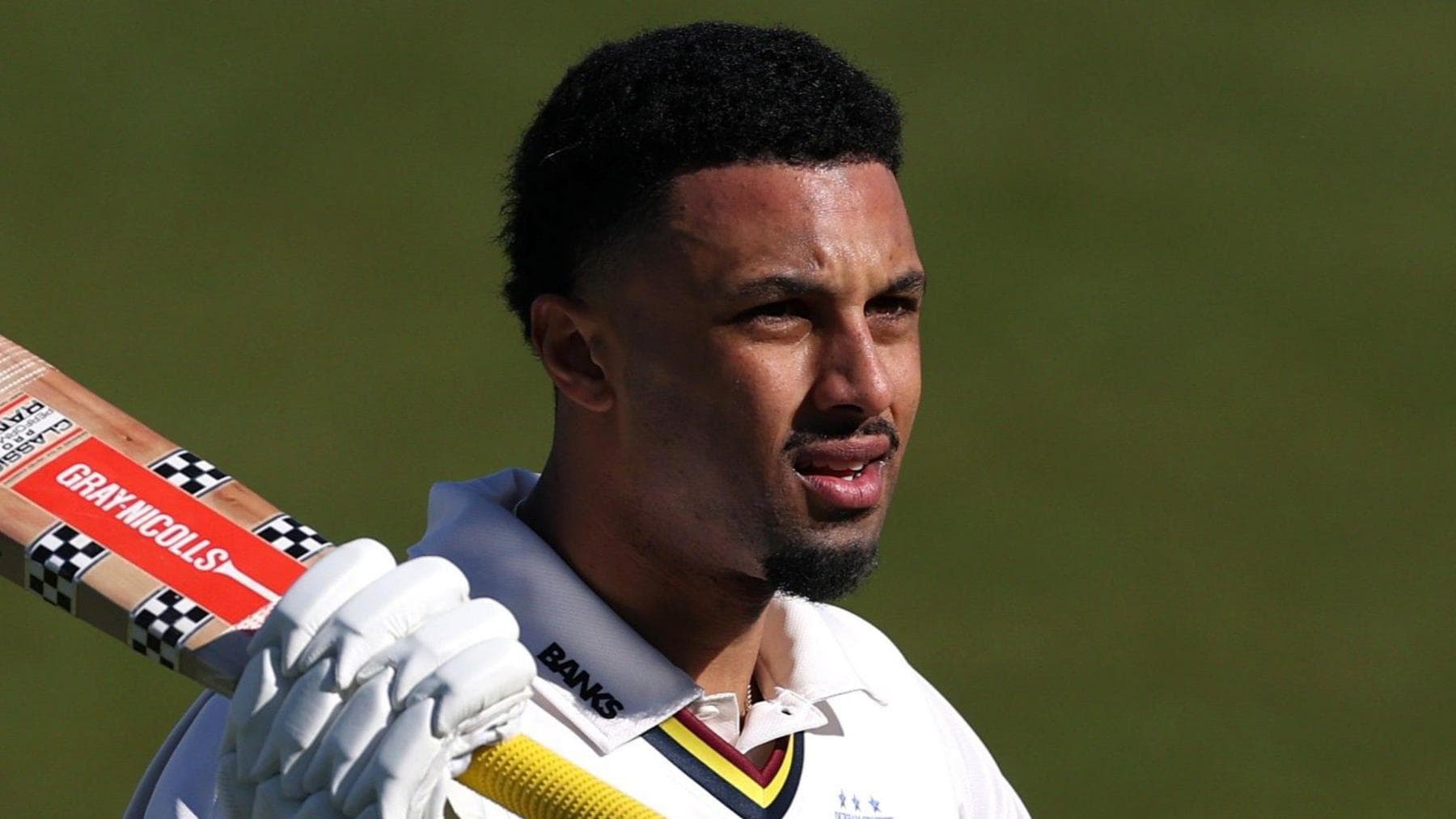
Emilio Gay has turned a strong county start into a national selection argument. His unbeaten 159 against Lancashire did more than win a match for Durham, it pushed his name into the discussion over who should open for England in Test cricket, a spot still defined by uncertainty around Zak Crawley.
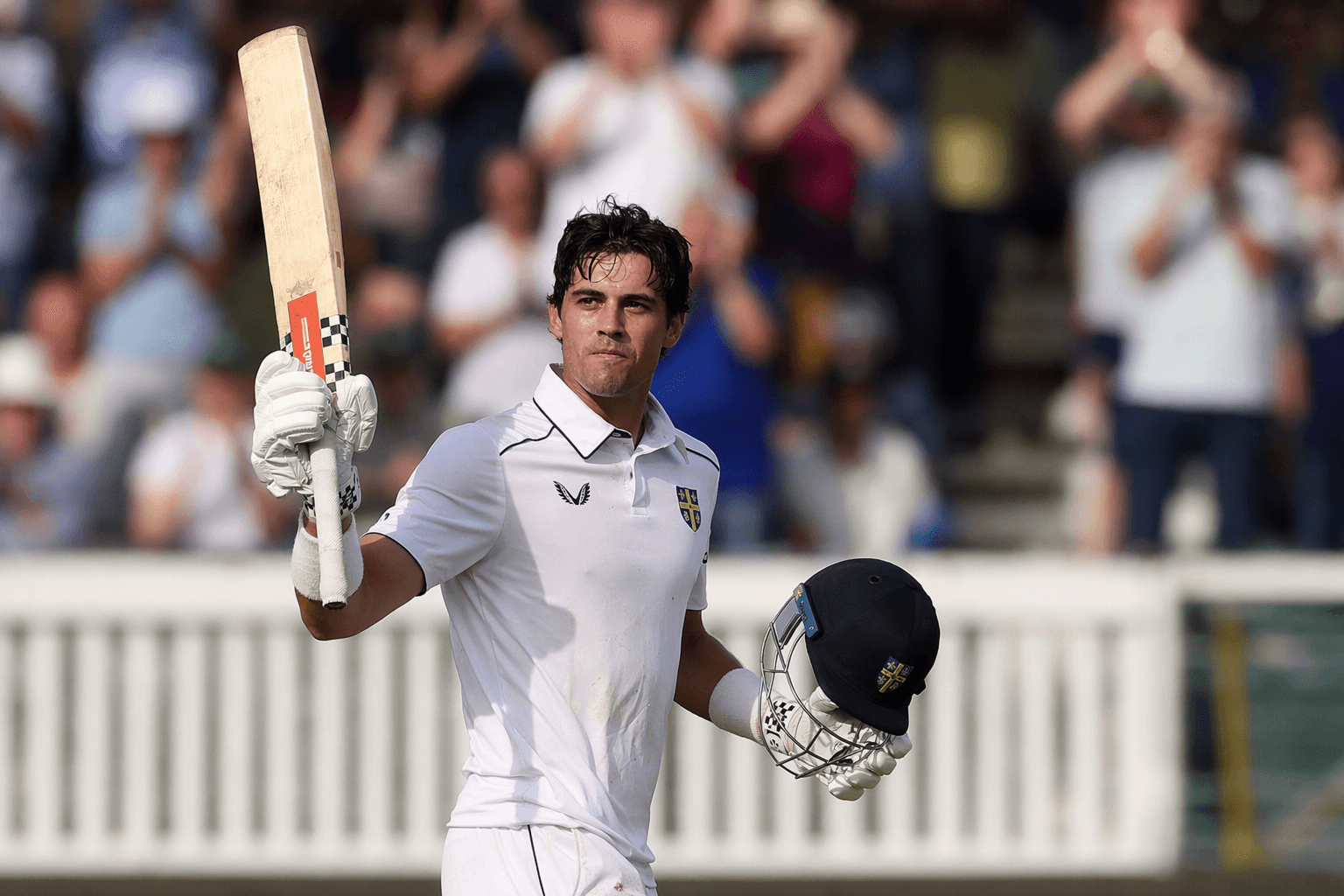
The timing matters. England captain Ben Stokes has publicly encouraged county players to force their way in through form, and Gay has answered that challenge with runs in the opening weeks of the season. His latest innings came in a chase of 336 at Chester-le-Street, where Durham won by eight wickets, and the manner of the victory made the individual case harder to ignore.
The innings that changed the tone
Gay’s 159 was not a lone flash. It was his second century in three matches this season, following the first hundred of the County Championship campaign against Kent on April 3, 2026. That earlier knock gave him the distinction of setting the standard for the season’s batting scoreboard, and the Lancashire innings reinforced that it was no early-season accident.
Against Lancashire, Gay shared an unbeaten third-wicket stand of 290 with David Bedingham, a partnership that carried Durham through the chase and tilted the match decisively. The scale of that alliance matters because it showed Gay could anchor, accelerate and absorb pressure in one innings, exactly the traits England keep searching for when they look at their top order.
Why the opener debate keeps resurfacing
The immediate question is not whether Gay is in form. It is whether England should view a player batting at No 3 for Durham, rather than opening, as a credible answer to their Test opening problem. Gay has extensive opening experience, so this is not a case of a specialist middle-order batter being pushed into an unfamiliar role, but the distinction still matters because Test cricket punishes even small mismatches in technique and temperament.
That is why his name has entered a familiar England debate. Crawley’s place at the top of the Test order remains under scrutiny, and Gay’s county output has arrived in a season when Stokes has made the pathway clear: force the door open with performance. The logic is simple, but the problem is structural. England have long struggled to produce red-ball openers who can not only earn selection, but survive long enough at Test level to make the position feel settled.
What makes Gay different, and what still needs proving
Gay’s case is stronger than a standard hot streak because the runs have come in different match situations. He opened the season by making the first century of the County Championship, then followed it with a tougher, more mature unbeaten 159 in a chase. That combination suggests more than touch alone. It suggests an ability to manage tempo, which is essential for an opener even if Durham currently use him at No 3.
Still, county success does not automatically translate into international stability. England’s issue has rarely been an absence of candidates. It has been the failure to turn promising red-ball batters into durable Test openers who can weather the first spell, the second new ball and the scrutiny that comes with a permanent place. Gay’s current role at Durham underlines that tension: he is producing top-order runs, but England must decide whether his output at No 3, plus his opening background, is enough to project him into the most demanding slot in the side.
Durham’s view is pragmatic
Durham coach Ryan Campbell struck the clearest balance after the Lancashire win. There will be, he said, “a lot of talk about him,” but the focus remains on Gay playing for Durham. That is the right message for a player whose form is now being discussed well beyond county circles. Durham want the runs to continue, the county want the wins to continue, and England will keep watching how he responds when expectations rise with every innings.
The wider Durham context also matters. Strong Division Two form can accelerate a player into the national conversation, but it can also create noise that outpaces selection reality. Gay has made the most of the chance in front of him, yet the next step is not simply another century. It is proving that his method can withstand the step up from a thriving county campaign to the full Test examination.
A broader international profile adds another layer
Gay’s story is also shaped by eligibility. He has already played three T20 internationals for Italy through his maternal grandfather, and he is also eligible for the West Indies through his paternal grandparents. That makes him an unusual modern cricketer, one with a cross-border profile that reflects the increasingly interconnected nature of the game.
For England, though, the immediate issue is simpler. They are not evaluating his passport background as much as his red-ball credentials. His eligibility for other nations adds intrigue, but the headline remains his county form and whether it is strong enough to force a rethink at the top of England’s order.
Why this debate matters beyond one player
Gay’s rise is best read as a test of England’s talent pipeline rather than a single-player story. If a batter with opening experience, a No 3 role at Durham, and two centuries in three matches can still be treated as a fresh possibility for the Test opening job, that says as much about the national search as it does about his scoring record.
England are looking for stability at the top because the role has too often been filled on hope rather than permanence. Gay has offered a reminder that county form still matters, but also that the gap between promising domestic runs and a secure Test opening place remains wide. Until that gap narrows, every commanding innings like this one will be read not just as a performance, but as a verdict on how effectively England produce openers for the hardest job in red-ball cricket.
This article was produced by Prism’s automated news system from verified source data, official records, and press releases, then run through automated quality and moderation checks before publishing. The system is built and supervised by the people who set the standards it runs under. Read our full AI policy.
Did this article answer your question?

.jpg&w=1920&q=75)
