Energy Department eyes financing to ease nuclear reactor supply bottlenecks
Washington is weighing billions in financing for reactor parts, targeting the real choke point in nuclear power: long-lead components that can take years to secure.
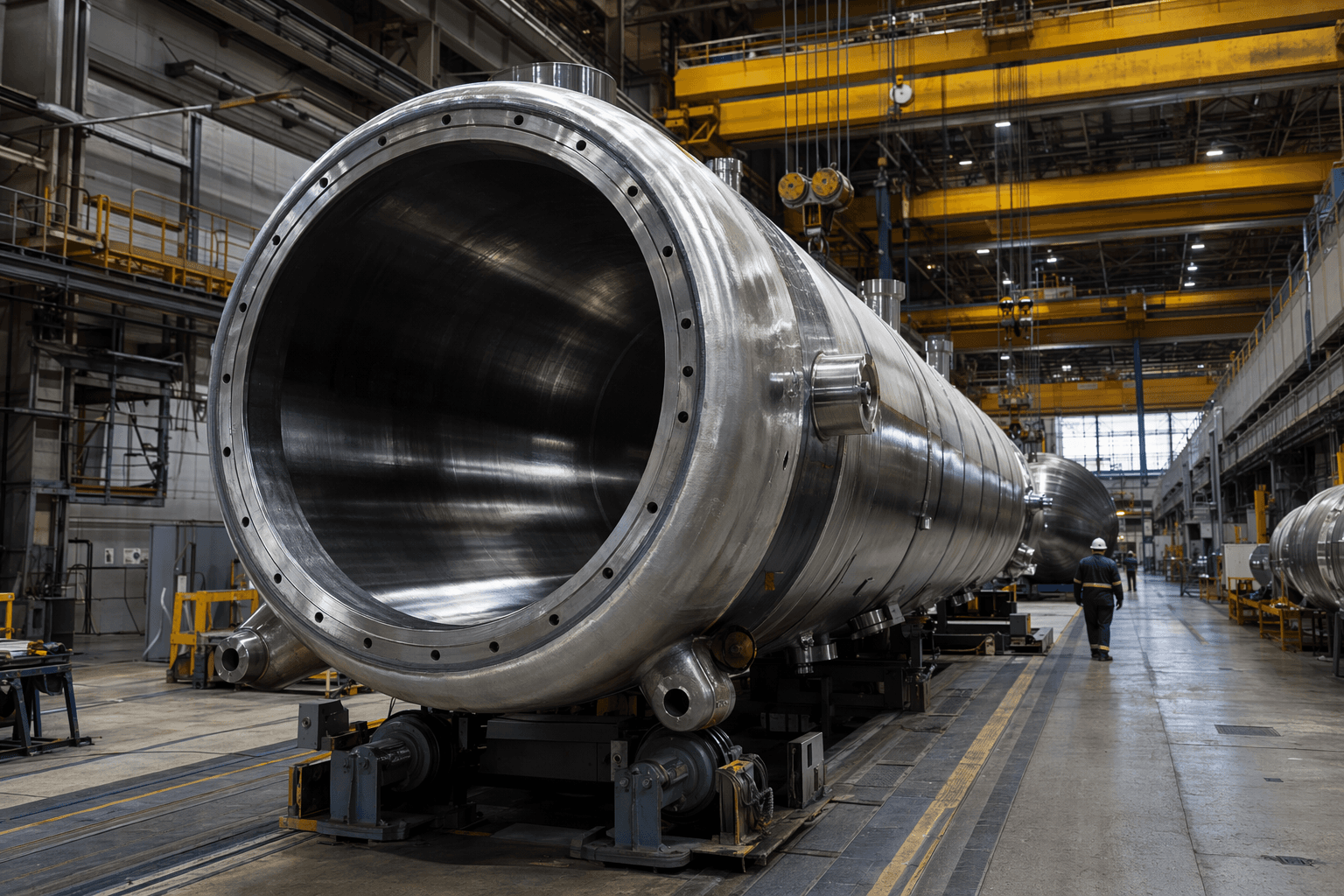
The Energy Department is considering a financing plan that could steer billions of dollars toward utilities trying to lock in parts for large nuclear reactors, a move aimed at a bottleneck that has slowed or derailed U.S. reactor projects for years. Reactor vessels and steam generators can take years to obtain, and that lag has often mattered as much as permits or politics in determining whether a plant gets built at all.
Maria Korsnick, the Nuclear Energy Institute’s president and chief executive, said at the group’s conference in Washington that the proposal would help several U.S. utilities interested in deploying AP1000 reactors and similar large builds. The idea would not pay to construct reactors directly, but it could help companies move earlier in the supply chain, reducing the risk that projects stall while waiting for scarce equipment to be manufactured and delivered.
That matters because U.S. nuclear construction has repeatedly been constrained by more than just ambition. The country’s manufacturing base for nuclear-grade components remains thin, lead times are long, and financing has been difficult for projects that have a history of running late and over budget. The last reactors built in the United States were delayed for years and cost billions more than planned, a record that has made private lenders wary and pushed developers to look for public support.
The department’s financing arm already has hundreds of billions of dollars available in aid, including loan guarantees for projects that cannot secure private bank financing on their own. If the new plan takes shape, it would effectively use federal credit to de-risk early procurement for utilities and suppliers, with taxpayers assuming part of the downside if projects fail to repay. That would amount to more than a policy slogan: it would be a direct industrial-policy push to shore up the supply chain before concrete is poured.
The timing is politically significant as well. President Donald Trump has set a goal of quadrupling U.S. nuclear power capacity to 400 gigawatts by 2050, a target that would require a vast expansion in project planning, licensing, factory output and skilled labor. Financing for long-lead reactor parts would not solve those problems alone, but it would attack one of the most persistent obstacles in the sector and could speed large-scale projects that have been stuck for lack of equipment, not just approval.
This article was produced by Prism’s automated news system from verified source data, official records, and press releases, then run through automated quality and moderation checks before publishing. The system is built and supervised by the people who set the standards it runs under. Read our full AI policy.
Did this article answer your question?

