Engadget Tests 15 Ergonomic Keyboards, Updates 2026 Guide with Logitech, Kinesis, Dygma
Engadget hands‑on tested 15 ergonomic keyboards and refreshed its 2026 guide — category winners include Logitech, Kinesis, Keychron and Dygma, with new notes on availability and modular add‑ons.
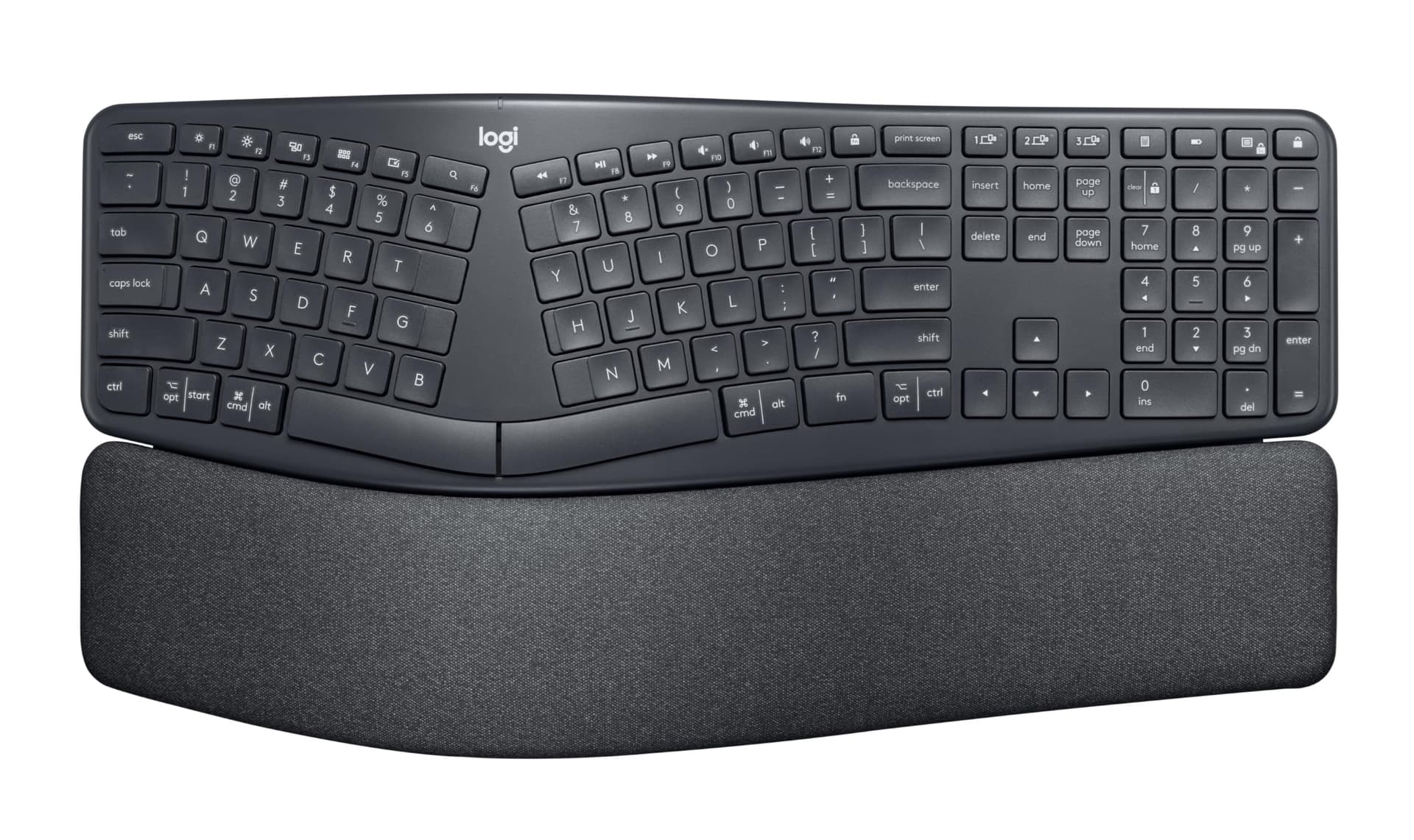
1. Logitech Ergo K860 Wireless Split
Engadget names the Logitech Ergo K860 as its pick for the best wireless ergonomic keyboard, placing it front and center in the updated 15‑model test. The K860 is presented as the wireless split option to watch in the guide's mini product module, and its placement signals Engadget's focus on mainstream ergonomics that pair wireless convenience with a proven split‑bar design.
2. Kinesis mWave Mechanical Keyboard
Engadget slots the Kinesis mWave as its "best wireless ergonomic mechanical keyboard," and the New York Times also surfaces Kinesis mWave as its "best Sculpt‑style keyboard." That cross‑outlet attention underlines Kinesis’s continued strength in sculpted, low‑reach layouts that bridge office comfort and mechanical keyfeel.
3. Keychron Q11
Engadget crowns the Keychron Q11 as its best split ergonomic keyboard, and the copy we have includes vivid hands‑on praise: "If you (expertly) sawed a mechanical keyboard in two, it would look like the Keychron Q11. You can even push the two halves back together to make it look like a standard, 75 percent mechanical board." Test notes call out a sample with Gateron G Pro Red linear switches, PBT keycaps and a machined aluminum body — "it's honestly dreamy to type on."
4. Kensington Pro Fit Ergo KB680
Engadget labels the Kensington Pro Fit Ergo KB680 the best budget ergonomic keyboard in the updated guide, flagging it as the value play among the 15 hands‑on models. That mini module placement is a clear signal for anyone prioritizing affordability in a sculpt or split‑adjacent layout without needing mechanical switches.
5. ZSA Voyager
Engadget lists the ZSA Voyager as the best split ergonomic keyboard with thumb clusters — a nod to thumb‑centric layouts for heavy modifier use. Engadget’s tester voice even contrasts styles, writing, "I prefer the minimalism of the Voyager," while using that Voyager preference to judge a more maximalist, programmable board elsewhere in the test (see Bazecor note below).
6. Kinesis Freestyle Edge RGB (gaming)
Kinesis’s Freestyle Edge RGB appears across guides as the mainstay split gaming keyboard; Engadget includes it in the gaming category while NYT cautions about manufacturing status: "Our pick for the best split ergonomic keyboard, the Kinesis Freestyle Edge RGB, has been discontinued by its manufacturer, though it’s still available for purchase." The Freestyle Edge is repeatedly recommended for gamers who want a split layout with genuine Cherry MX options.
7. Logitech Wave Keys
Outside Engadget’s mini picks, the New York Times calls the Logitech Wave Keys "Our pick," and PCMag echoes that endorsement: "The wireless Logitech Wave Keys makes for an excellent introduction to ergonomic keyboards. It's easy to use, it's packed with functionality, and perhaps most important, it's affordable." That convergence suggests Logitech’s Wave line remains the accessible ergonomic gateway for mainstream buyers.
8. Kinesis Freestyle2 Blue
For buyers prioritizing Bluetooth, NYT flags the Kinesis Freestyle2 Blue as "a solid Bluetooth option," with the explicit caveat that "its membrane keys don’t feel as responsive or comfortable as the newer mechanical keys on the Freestyle Edge and Freestyle Pro." Use this one when wireless simplicity trumps mechanical feel.
9. Adesso WKB-3150UB
NYT calls out the Adesso WKB-3150UB as feeling lower quality despite price parity: "The wireless Adesso WKB-3150UB felt cheaper and more plasticky than other options we tested, even though it’s similarly priced." That blunt assessment is useful for shoppers comparing tactile feel and build quality among wireless ergonomic keyboards.

10. Ultimate Hacking Keyboard (UHK)
NYT included the Ultimate Hacking Keyboard as an option in compact/split territory but highlights a practical tradeoff: "However, the UHK omits dedicated arrow keys and other navigation keys, which frustrated some of our testers." For fans of extreme split customization, the UHK remains notable — but expect layout compromises.
11. Perixx Periboard-335
NYT lists the Perixx Periboard-335 as a budget, partially split wired alternative with ergonomics already built in: "The Perixx Periboard-335 is a partially split keyboard with mechanical key switches, and it has a large, built‑in wrist rest. The keyboard also has risers to create a negative tilt... a good budget alternative at half the price." That combination of mechanical switches plus a negative tilt wrist rest is a practical ergonomics bargain.
12. ErgoDox EZ
NYT names the ErgoDox EZ its "upgrade pick" for ergonomic keyboards — the long‑running, highly programmable column‑style board that many ergonomic enthusiasts recommend when you want full custom mapping and a long lifespan. Its presence in multiple guides keeps it on the shortlist for users who plan to invest in a long‑term, heavily customized layout.
13. Mistel MD770 RGB
Ergowerken’s site lists the split Mistel MD770 RGB among personal favorites, with two testers named: Tim and Mark. Tim writes, "Since I started working with mechanical keyboards, I don't want anything else. I type a lot during the day, and my MD770 RGB makes it wonderfully comfortable... Every year, I come into contact with quite a few new keyboards to test/write about, but my MD770 always finds its way back to my desk." The MD770’s split form and switch options (Brown and Red Silent variants) make it a persistent desk companion for heavy typists.
14. BakkerElkhuizen S-board 840
Ergowerken highlights the BakkerElkhuizen S-board 840 as a scissor‑switch, compact ergonomic option: "Compact, light and, above all, nice and flat... It types with a scissor mechanism (i.e. laptop‑like, but with more stability) and has 12 multimedia keys. The numeric keypad is not 'next to' the keyboard, but cleverly hidden in an Fn layer." That description targets users who prefer flatter, lower‑profile ergonomics and laptop‑style stability.
15. Dygma
Engadget’s updated 2026 guide includes Dygma among its category picks (per the guide heading), placing the brand alongside Logitech, Kinesis and Keychron in the 15‑model hands‑on test. The snippets we have identify Dygma as a named winner in the refreshed module set though the product copy in the excerpt is limited; its inclusion signals that modular, split and thumb‑cluster designers like Dygma remain part of the shortlist buyers should consider as Engadget refreshes selections for 2026.
Concluding note (embedded in item 15) Engadget’s hands‑on roundup of 15 ergonomic keyboards under Amy Skorheim’s update captures a clear trend: mainstream wireless comfort (Logitech), sculpted mechanical options (Kinesis, Keychron), and niche, highly programmable split boards (ZSA, Dygma, ErgoDox) are all competing for different kinds of long‑term comfort. For buyers, that means prioritize the layout you’ll use daily — wireless convenience, mechanical feel, or extreme programmability — while noting availability quirks (like the Freestyle Edge RGB’s discontinued status) as you shop.
Know something we missed? Have a correction or additional information?
Submit a Tip