England face Argentina in biggest World Cup match since 1966
England’s route to the final ran through Argentina, with victory sending them back to football’s biggest stage for the first time since 1966.
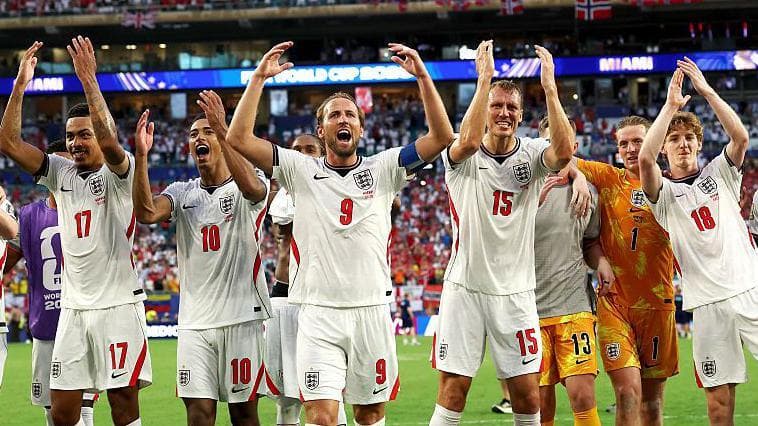
England faced Argentina in Atlanta in a World Cup semi-final that carried the weight of nearly 60 years of expectation, with kick-off set for 8pm BST and a place in the final on Sunday 19 July 2026 at the New York-New Jersey Stadium at stake. BBC Sport’s Phil McNulty framed it as England’s biggest match since the 1966 World Cup final at Wembley, the last time the national team lifted the trophy.
The scale of that comparison is built into England’s history with Argentina. England beat Argentina 1-0 in the 1966 World Cup quarter-final, with Geoff Hurst scoring the only goal midway through the second half, and then lost 2-1 to Argentina in the 1986 quarter-final. The most recent World Cup meeting came in Saint-Étienne in 1998, where Argentina won on penalties after a 2-2 draw, a match FIFA described as a thriller and one that began with early penalties from Gabriel Batistuta and Alan Shearer.

That 1998 contest also underscored how finely balanced the rivalry has often been. FIFA noted that England went into that tournament fifth in the FIFA/Coca-Cola World Ranking, with Argentina sixth, placing both sides among the title favourites before the knockout meeting that ended England’s run. The history between them has been shaped not only by scorelines but by grievance, from Antonio Rattin’s dismissal in 1966 to England’s own memory of the Maradona era and the long shadow of the Hand of God dispute.

For England, the semi-final was more than another chance to reach a final. It was the opportunity to move to within one match of a World Cup title they have not won since 1966, when Sir Alf Ramsey’s side beat West Germany at Wembley. A win in Atlanta would take England into a final on July 19 and place the team one step from ending a trophy drought that has defined every generation since Geoff Hurst’s hat-trick and that final whistle at Wembley.

Failure would leave England with another painful entry in a record built on promise and collapse against elite opposition. Victory would give this squad a direct place in the national lineage, alongside the 1966 champions, and would make the final in New Jersey the most consequential England appearance in decades.
This article was produced by Prism’s automated news system from verified source data, official records, and press releases, then run through automated quality and moderation checks before publishing. The system is built and supervised by the people who set the standards it runs under. Read our full AI policy.
Did this article answer your question?