England held by Ghana in goalless World Cup draw
England had 79% of the ball and 19 shots, but Benjamin Asare and Ghana's tight shape kept the game scoreless in Foxborough. Top spot in Group L stayed open.
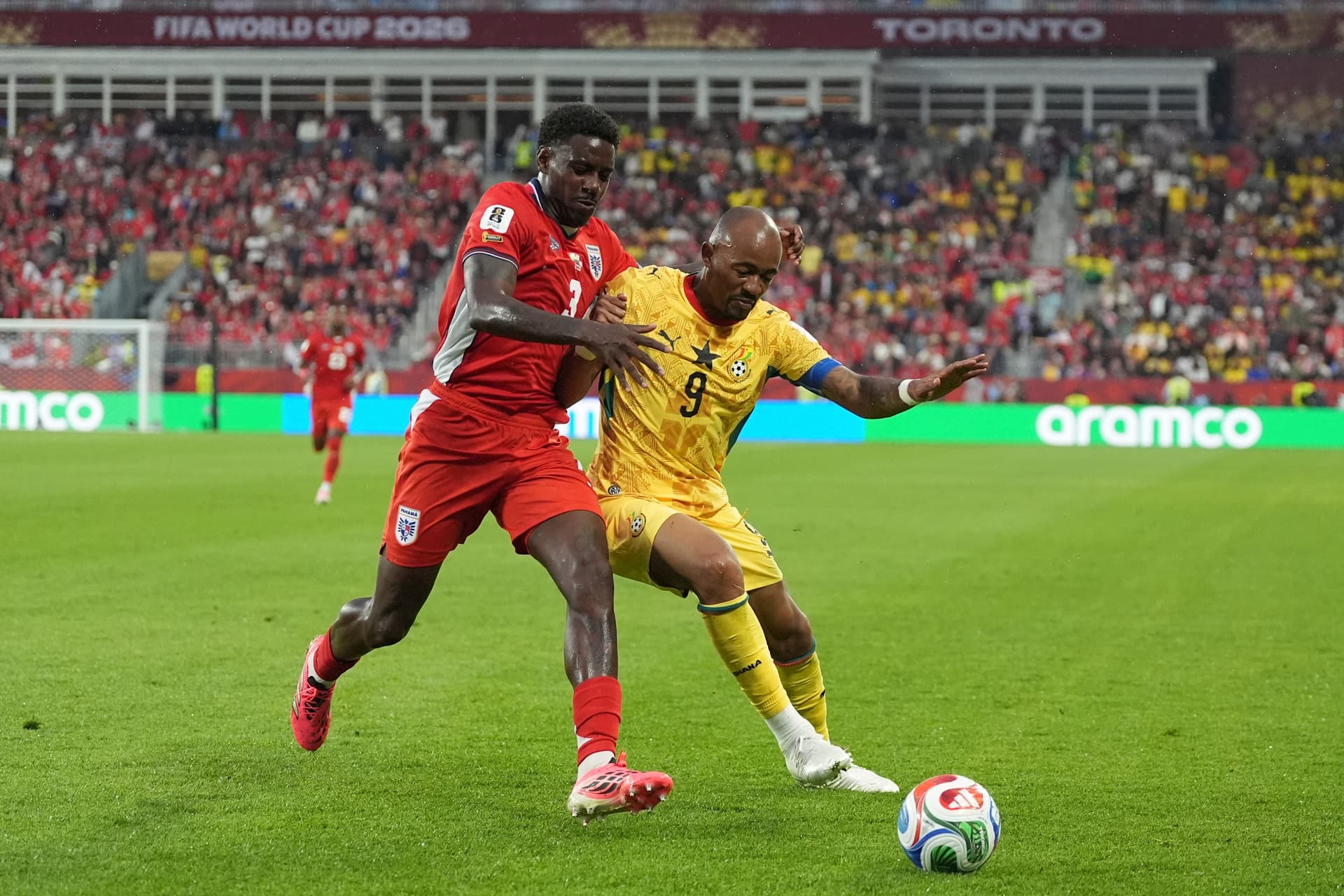
England’s 0-0 draw with Ghana at Gillette Stadium in Foxborough, Massachusetts, laid bare a familiar problem: control without penetration. England finished with about 78 to 79 percent possession and a 19-2 shot advantage, yet Benjamin Asare made three saves and Ghana’s defensive structure kept the match locked through 90 minutes.
The result denied England an early chance to clinch top spot in Group L with a game to spare and extended a pattern that has followed them through four successive tournaments, when the second group match has become a source of frustration. England moved the ball for long stretches in front of a crowd of 63,983, but the possession rarely translated into sustained danger around Ghana’s penalty area.
Ghana arrived with Thomas Partey, Jordan Ayew and Inaki Williams in the starting XI, and their discipline gave England little to work with between the lines. The Black Stars absorbed wave after wave of pressure, forcing England into increasingly predictable attacks that relied on recycling possession rather than breaking shape. The numbers told the story: England held nearly four-fifths of the ball, but Ghana’s two shots showed how little the game was played on England’s terms in the opposite direction.
Harry Kane came closest late on, but England could not produce the decisive finish. Ezri Konsa also survived a late incident that prompted penalty appeals, adding another tense moment to a night when Ghana’s organization held firm and England’s attacking balance looked incomplete.
For England, the issue was not simply a lack of shots. It was the quality of the final action after the ball reached advanced areas, where Ghana crowded space, cut passing lanes and reduced England’s attackers to isolated moments instead of a coherent threat. The draw suggested that against stronger knockout-stage opponents, possession alone will not be enough unless England find more directness and greater sharpness in the final third.
This article was produced by Prism’s automated news system from verified source data, official records, and press releases, then run through automated quality and moderation checks before publishing. The system is built and supervised by the people who set the standards it runs under. Read our full AI policy.
Know something we missed? Have a correction or additional information?
Submit a Tip