England prepare Formula 1-style cooling for West Indies clash
England used ice packs and Formula 1-style cooling vests as they chased a World Cup semi-final place against West Indies at a sweltering Lord’s.
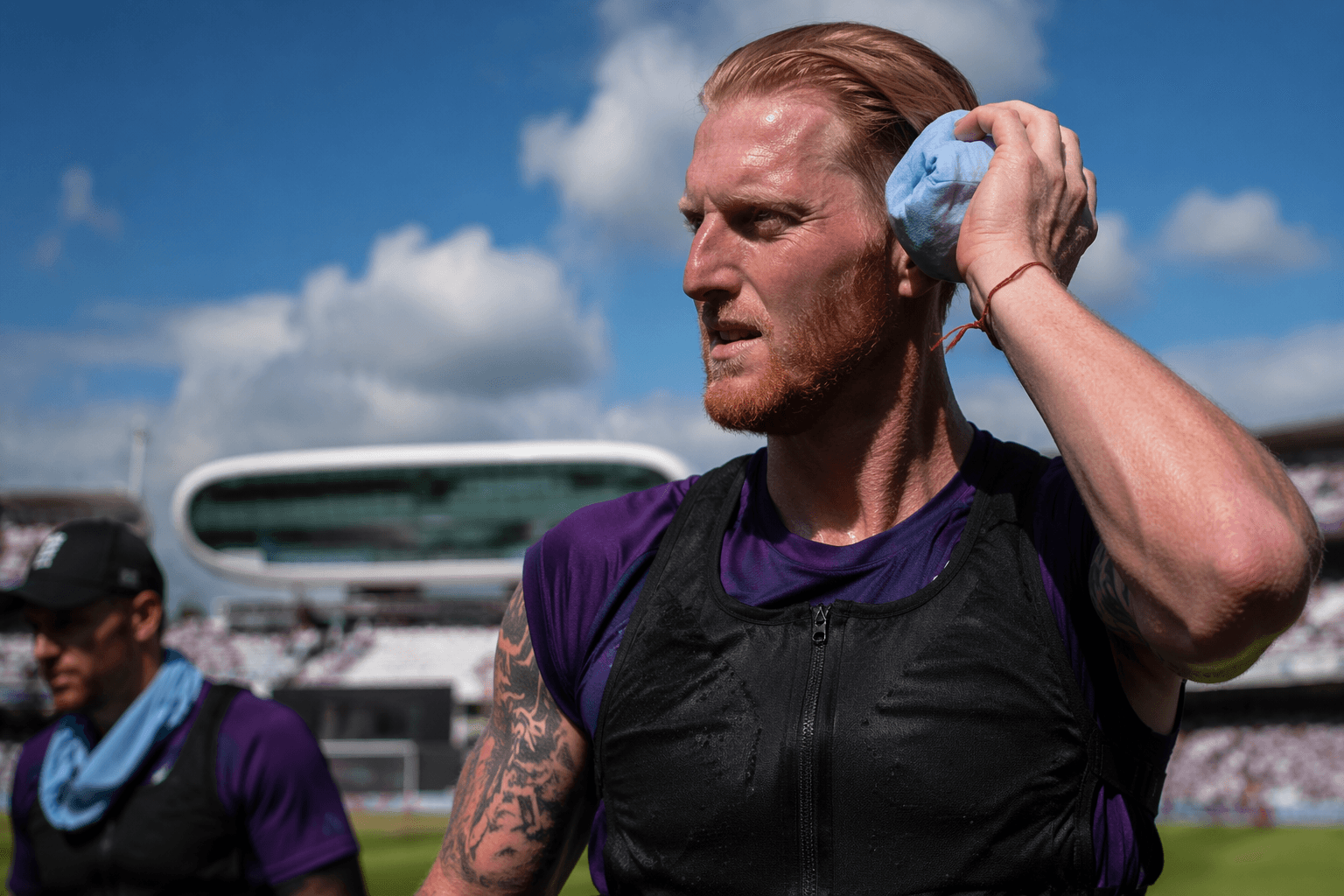
England turned to ice packs, cooling vests and other heat-management tactics at Lord’s as Charlie Dean prepared her side for a Group B match that carried immediate World Cup consequences. With a semi-final place on the line against an in-form West Indies team, the stand-in captain said England were bracing for both the weather and the pressure of a rematch that had already hurt them once before.
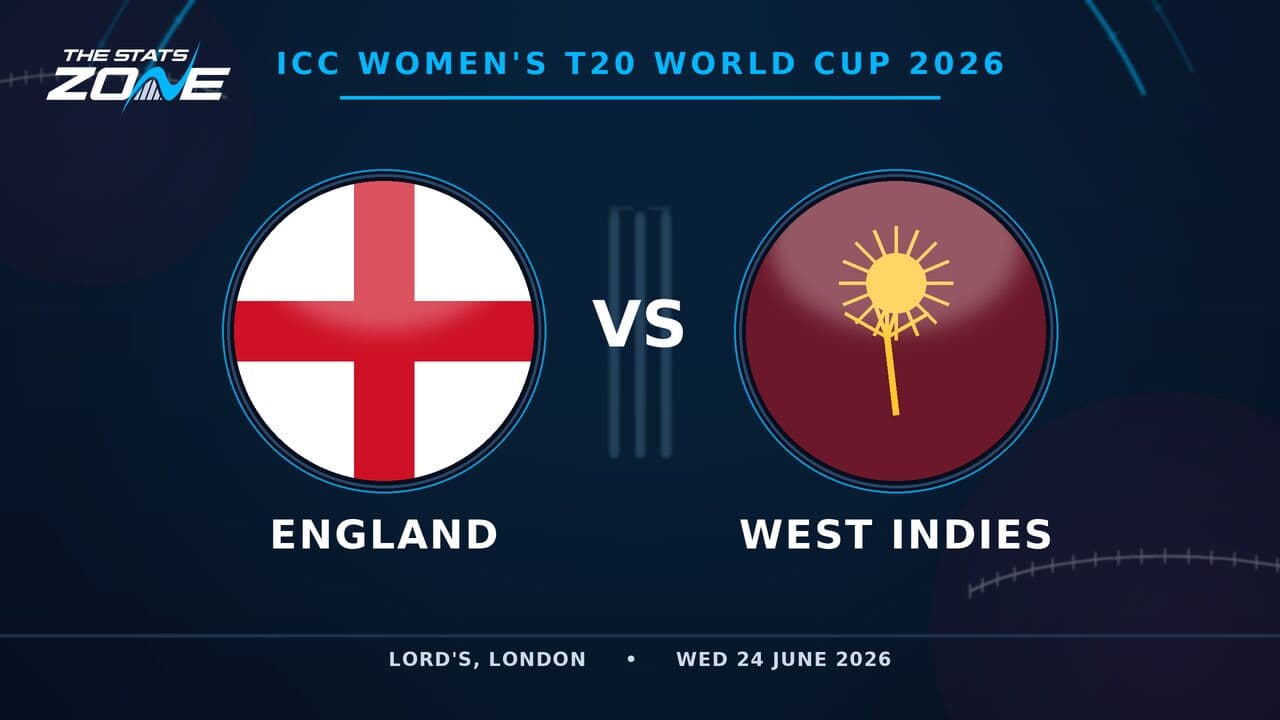
Dean said the squad had built its plans around soaring temperatures, borrowing the kind of cooling equipment more familiar from Formula 1 than cricket. That mattered because this was not an ordinary group game: the top two sides in Group B advanced, and England’s meeting with West Indies on 23 June 2026 had become decisive in the ICC Women’s T20 World Cup 2026 at Lord’s.
The stakes were sharpened by memory. England and West Indies had met in Dubai at the 2024 Women’s T20 World Cup, when West Indies beat England and knocked them out. Now England faced the same opposition with a place in the knockout rounds hanging in the balance, and with no room for another lapse against a side that has already proven it can end their tournament.
Dean, 25, stepped in as interim captain because Nat Sciver-Brunt was unavailable with a recurring calf injury. Her own return to the international setup had come after a back stress injury kept her out from late 2025, giving England another layer of uncertainty as they tried to settle a line-up and protect players in punishing conditions.
The heat challenge also reflected a broader shift in the women’s game. England and Wales are hosting the ICC Women’s T20 World Cup from 12 June to 5 July 2026, with 12 teams in the biggest edition of the tournament so far. Lord’s is due to host the final on 5 July, and the tournament’s scheduling has placed elite cricket in the middle of a summer where extreme temperatures are becoming harder to treat as an exception.
That is where England’s cooling plan matters beyond one match. Ice packs and Formula 1-style vests may look like marginal gains, but they point to a larger question facing the sport: how long can athletes be asked to perform in heat that once would have been considered exceptional, but is now increasingly routine? For England, the answer at Lord’s was to adapt fast, stay hydrated and try to keep one eye on the semi-finals and the other on the thermometer.
This article was produced by Prism’s automated news system from verified source data, official records, and press releases, then run through automated quality and moderation checks before publishing. The system is built and supervised by the people who set the standards it runs under. Read our full AI policy.
Know something we missed? Have a correction or additional information?
Submit a Tip