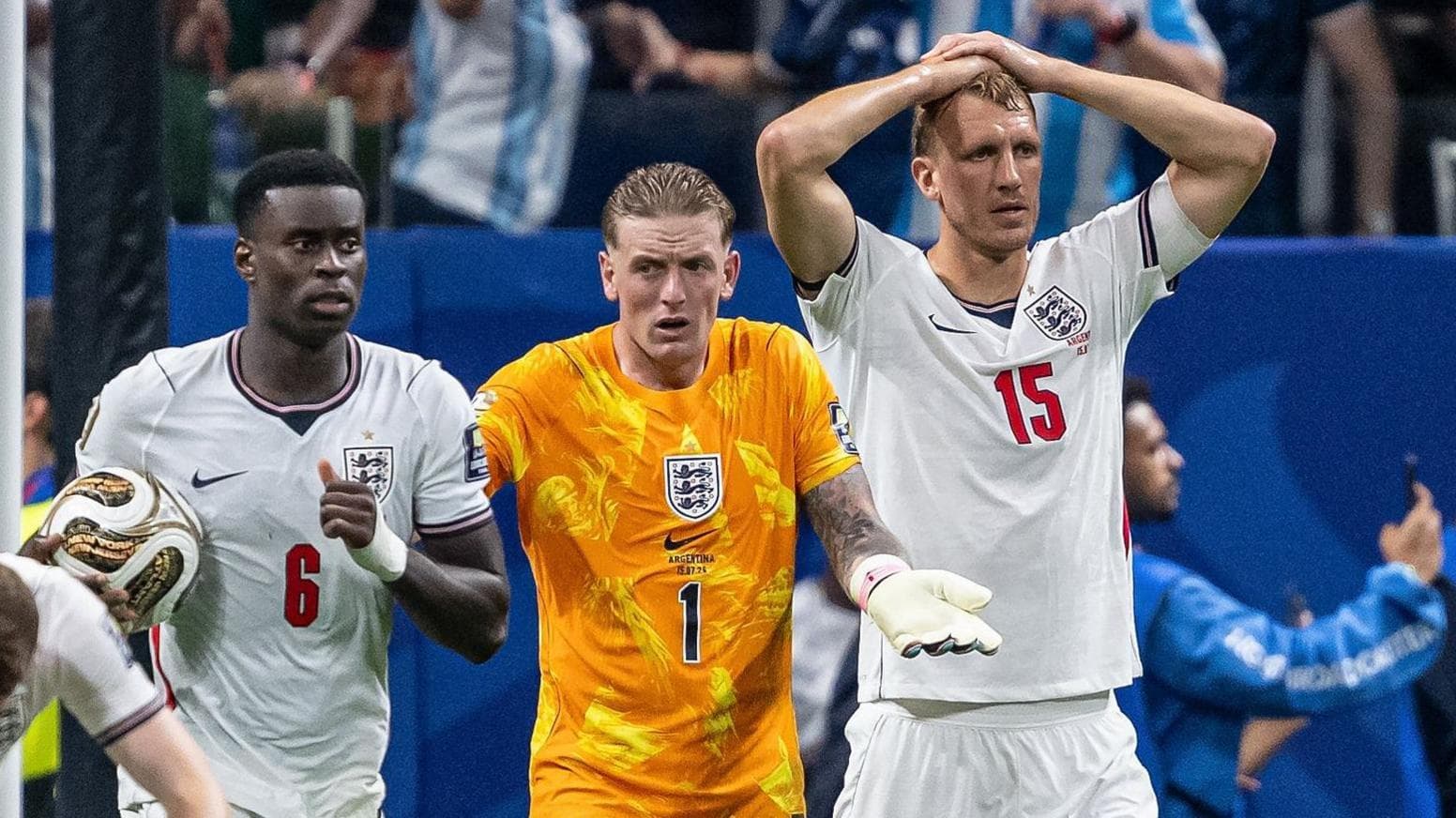
England’s endless chase for a first World Cup title continues
England’s defeats are shaped by more than bad luck: 1966, a thin knockout record and relentless expectation keep turning every tournament into a national reckoning. Southgate softened the culture, but not the pressure.

England’s latest heartbreak was never only about one late goal in Berlin. It was another turn in a cycle that has defined the men’s team for generations: one World Cup title in 1966, repeated failures to repeat it, and a public expectation that every tournament should somehow end with history being rewritten.
That burden has become part of the team’s identity. England beat West Germany 4-2 at Wembley to win the 1966 World Cup, and FIFA’s England profile now frames the team as chasing its first World Cup title in 60 years. Every major campaign since has been measured against that single triumph, which has made each near miss feel less like a setback and more like a national verdict.
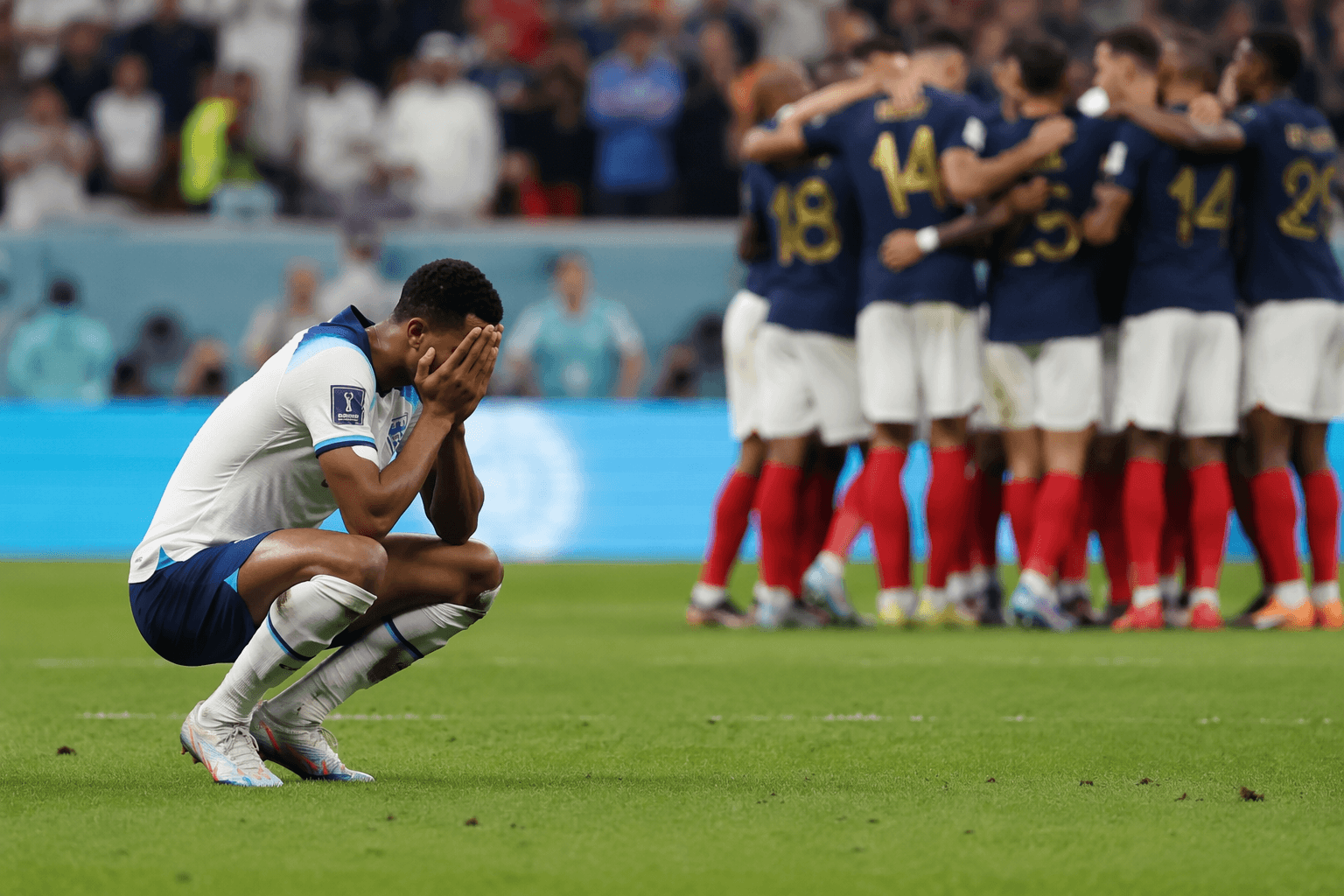
The pressure of 1966
The problem is not simply that England have lost. It is that they have spent decades losing in ways that leave the promise unresolved. England finished fourth at the 1990 World Cup and again in 2018, reaching the semi-finals in both tournaments, only to leave without the final step that the country has been waiting for since Geoff Hurst’s era.
That pattern has made England a team judged as much by narrative as by results. A semi-final exit is treated as proof of potential, then a final defeat is treated as proof of failure, even when the team has moved deeper into tournaments than it had for years before. The emotional swing is enormous because the public benchmark never changes: 1966 remains the reference point, and every later campaign is compared against a triumph from a different football age.
The latest defeats hardened that cycle. England lost the Euro 2020 final to Italy on penalties at Wembley on 11 July 2021, then lost the Euro 2024 final 2-1 to Spain in Berlin on 14 July 2024. UEFA’s records note that Euro 2024 made England the first team to lose consecutive European Championship finals, a distinction that captures how close the side has come and how little that closeness has eased the national frustration.
Southgate’s England changed the tone, not the demand
Gareth Southgate arrived in November 2016 and changed how the team looked and behaved in tournament settings. The Football Association repeatedly described his era as one that transformed the team’s culture and tournament record, and it pointed to a stark contrast: in the 25 tournaments after 1966 before Southgate took charge, England had won only seven knockout games.
That figure matters because it separates structural progress from emotional disappointment. Southgate’s England did not inherit a team cursed by fate. It inherited a side with a poor modern knockout record, a weak habit of surviving deep into tournaments, and a football culture that often treated failure as normal until success briefly raised expectations beyond the evidence.
Under Southgate, England reached later stages more often and began to look more stable in major competitions. Yet stability brought a new kind of pressure. Instead of being the team expected to collapse, England became the team expected to deliver, and that expectation quickly became its own weight. Southgate acknowledged that problem during Euro 2024, saying England were struggling to cope with the expectations of winning the tournament.
That admission matters because it undercuts the easiest fatalistic reading. England did not simply walk into defeat because they were destined to. They walked into it carrying a public culture that had shifted from guarded hope to entitlement, while still not fully escaping old technical and tactical limits in decisive matches.
Why the claim that England were “always going to lose” is too simple
The phrase fits the mood after disappointment, but it flattens the actual story. England have repeatedly put themselves in positions to win and still fallen short, which is different from being doomed from the start. The losses to Italy in 2021 and Spain in 2024 were both narrow, both late in the tournament, and both tied to moments where fine margins and game management mattered more than mythology.
Spain’s late winner in Berlin made the latest defeat feel final in the moment, but it did not erase the broader picture. England were in another final, their second straight European Championship final, which is itself evidence of a team that has been good enough to contend. The real issue is that getting close has not solved the underlying problem of finishing.
This is where national expectation cycles become central. When a side is asked to carry the emotional memory of 1966, progress can be rebranded as failure if it stops one step short. Fans do not just watch results. They absorb the idea that England should be different, that the next generation should end the wait, and that any outcome short of a title is another chapter in the same old story.
The reaction after Berlin showed how deep the cycle runs
The response after the 2-1 loss to Spain was immediate and familiar. Fans in London and around the country were left despondent after the late winner, a reaction that reflected not just disappointment at one match but exhaustion with the pattern itself. The team’s progress had raised hope again, and the loss snapped that hope back into the old national script.
The public response from the Royal Family also showed how symbolic the team has become. The King told the players to “hold your heads high,” while Prince William praised their achievement despite the defeat. Those reactions matter because they show how England football is treated as more than sport: it is folded into a national mood in which success is expected to bind the country together, and failure is felt almost collectively.
Southgate’s resignation after the Euro 2024 final closed one chapter, but it did not end the structural problem. He said it was time for “a new chapter,” a phrase that points beyond one coach and toward the system around the team, from the pressure of history to the way each tournament becomes a test of national self-image.
What has to change if the cycle is ever broken
England do not need a different story so much as a different relationship with the one they already have. The record is clear: one World Cup title, two recent final defeats in Europe, repeated semi-final runs, and a public habit of treating every campaign as either redemption or collapse. That does not make the team hopeless. It makes the expectations unsustainably large.
The next England side will still play under the shadow of 1966, because that is how the country has chosen to remember itself through football. Until that changes, every tournament will keep carrying the same burden: the hope of a first title in six decades, and the fear that another near miss will be read as proof that England were never meant to have one at all.
This article was produced by Prism’s automated news system from verified source data, official records, and press releases, then run through automated quality and moderation checks before publishing. The system is built and supervised by the people who set the standards it runs under. Read our full AI policy.
Did this article answer your question?