EPA dismantles research office, critics warn science will weaken
EPA is scrapping its main science arm, a 1,500-person office that underpins pollution rules, as critics warn weaker evidence will reach every community.
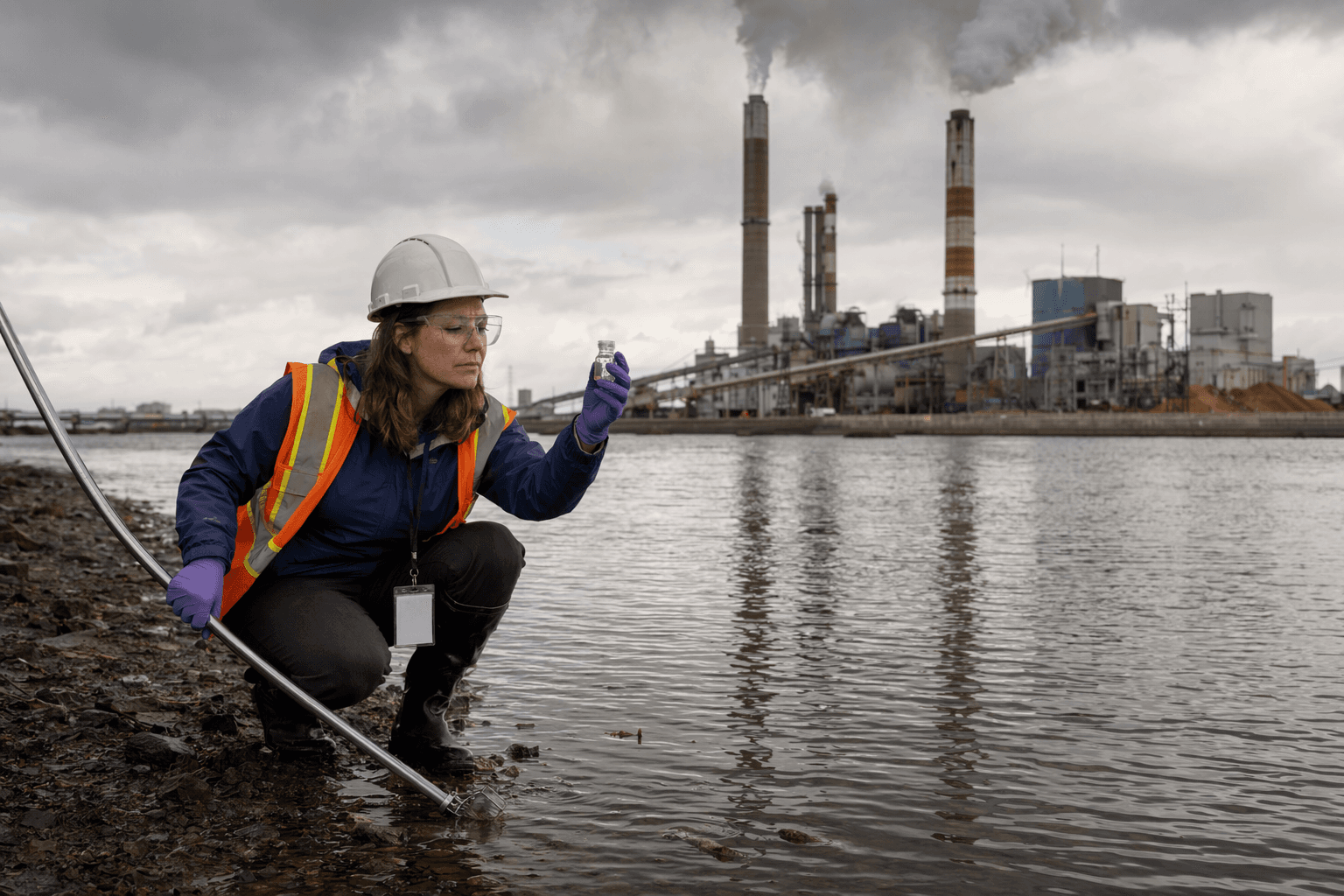
The Environmental Protection Agency moved to erase its main science arm, the Office of Research and Development, a nationwide operation that supplied the data behind pollution standards, hazard reviews and health protections for communities living with contaminated air, water and soil.
EPA said the office was the scientific foundation for informed decision-making to safeguard human health and ecosystems from pollutants. For decades, ORD also worked with states, tribes and local communities, helping the agency evaluate threats from PFAS, pesticides, lead, air pollution, water pollution and climate-related health risks. With the office gone, critics say the agency will have less independent science inside the building and more room for politics to shape what gets studied and what gets regulated.
On July 18, 2025, EPA announced it would eliminate ORD and replace it with a new Office of Applied Science and Environmental Solutions. The agency said the restructuring would save $748.8 million, and that the reduction in force would hit ORD while moving some scientific staff into other program offices. On Feb. 13, 2026, EPA notified Congress that it was formally eliminating the office.
The scope of what is disappearing is large. EPA documents and news reports put ORD at about 1,540 positions and more than 1,500 employees spread across 11 locations, with major hubs at EPA headquarters in Washington, D.C., and at Research Triangle Park in North Carolina. In North Carolina, where ORD is the largest office on the campus, Holly Wilson, president of American Federation of Government Employees Local 3347, said workers were “panicked, disappointed, frustrated, and scared.”

Democrats and public-health advocates warned that ending ORD would weaken the scientific basis for future rules and standards. Rep. Zoe Lofgren called the elimination of the office a “travesty.” North Carolina Reps. Valerie Foushee and Deborah Ross urged EPA Administrator Lee Zeldin to reverse course, warning of immediate and long-term harm to communities and ecosystems.
The fight over ORD also reaches back to the agency’s origins. EPA was created in 1970 amid a national response to growing environmental concern, and ORD became the office that gave the agency independent research capacity. Without that in-house science, watchdogs say the agency could face slower hazard detection, weaker evidence for regulation and greater reliance on outside research that may be shaped by industry or political appointees.
At the same time, scientists are pushing highly speculative ideas to manage climate risk. A study published April 24, 2026 in Science Advances examined whether building a roughly 55-mile dam across the Bering Strait, the shallow waterway between Russia and Alaska, could help slow or stabilize the Atlantic Meridional Overturning Circulation. Researchers said the concept remains highly uncertain, underscoring how much EPA’s own science matters when the stakes involve public health and environmental safety.
This article was produced by Prism’s automated news system from verified source data, official records, and press releases, then run through automated quality and moderation checks before publishing. The system is built and supervised by the people who set the standards it runs under. Read our full AI policy.
Did this article answer your question?

