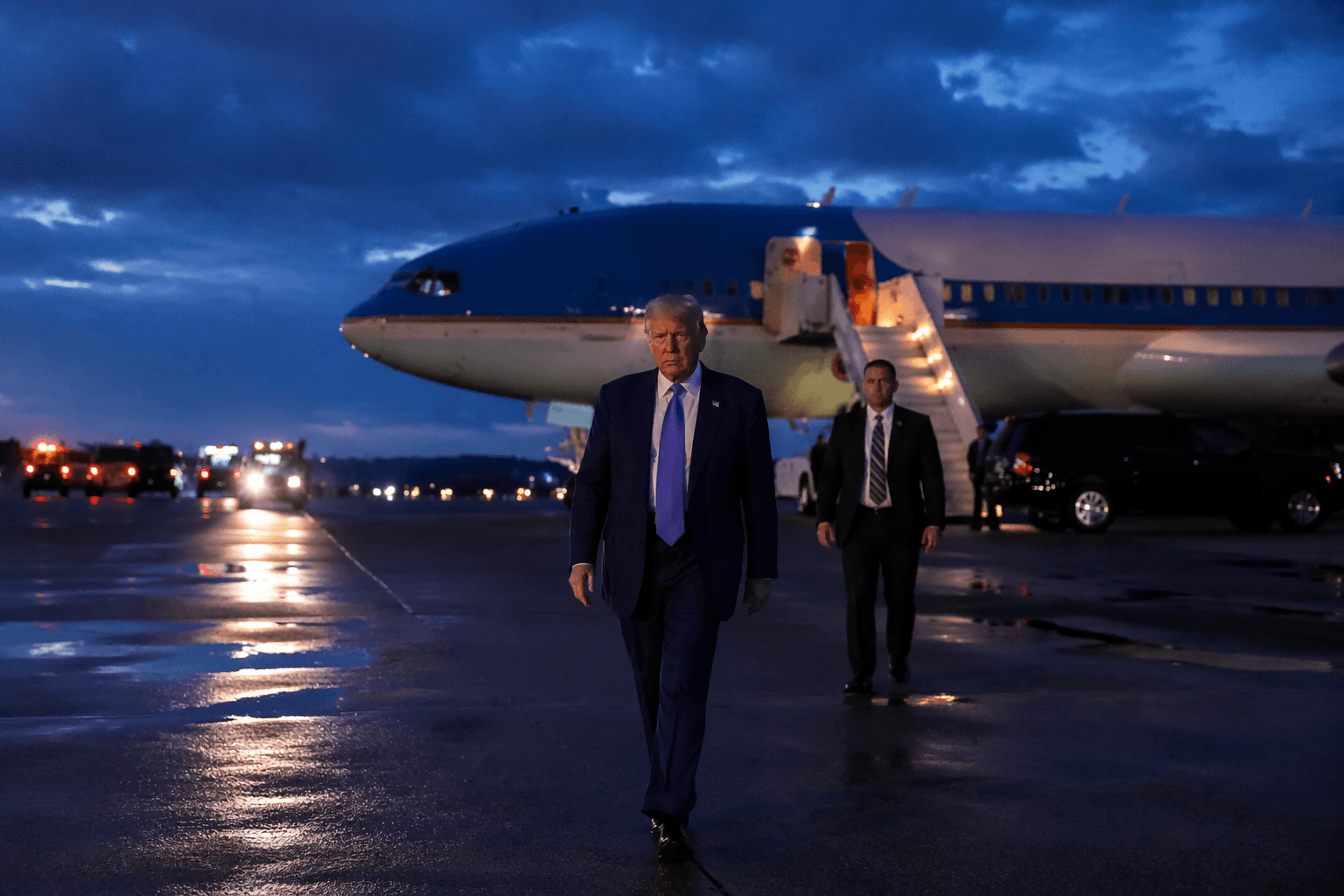
EPA proposes easing heavy-truck emissions rules, rolling back Biden standards
EPA moved to ease heavy-truck emissions rules, projecting up to $12 billion in savings and up to $6,000 less per truck, while keeping nearly 90% of Biden-era NOx cuts.
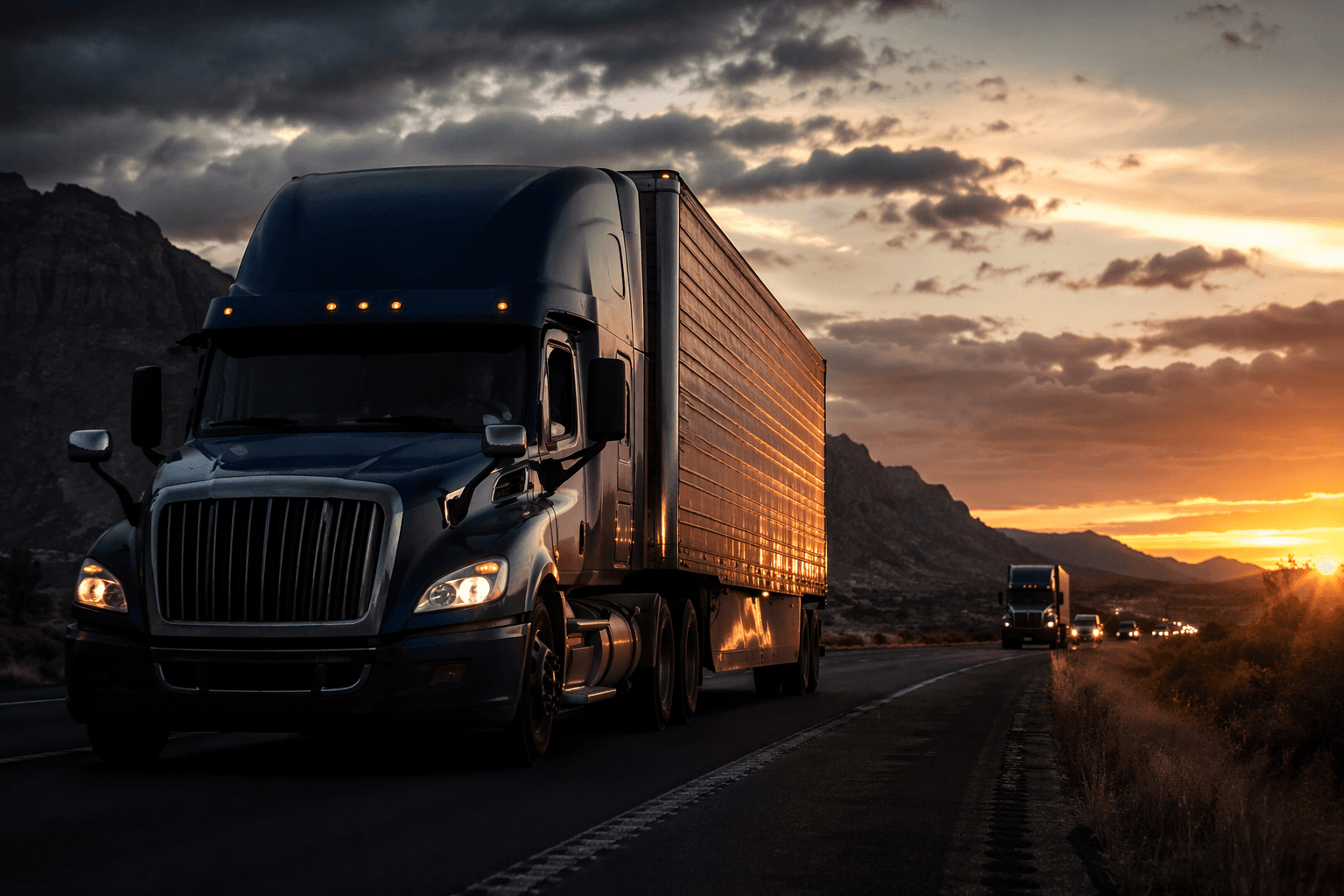
The Environmental Protection Agency moved to loosen heavy-truck emissions rules on Thursday, setting up a direct tradeoff between lower compliance costs for diesel fleets and weaker pressure on air pollution in freight corridors. The proposal, signed by EPA Administrator Lee Zeldin, would give manufacturers more time, reduce warranty burdens and allow some engines to continue operating under nonconformance penalties even if they do not fully meet the tougher standards.
The rule is formally titled Amendments and Nonconformance Penalties for Model Year 2027 and Later Heavy-Duty Highway Engines and Amendments to Inducement Provisions for SCR-Equipped Diesel Engines. EPA said comments are due by August 29, 2026, and it will hold a virtual public hearing on July 29. The agency said the changes target medium- and heavy-duty engine programs that have faced technical challenges as manufacturers prepare for model year 2027.
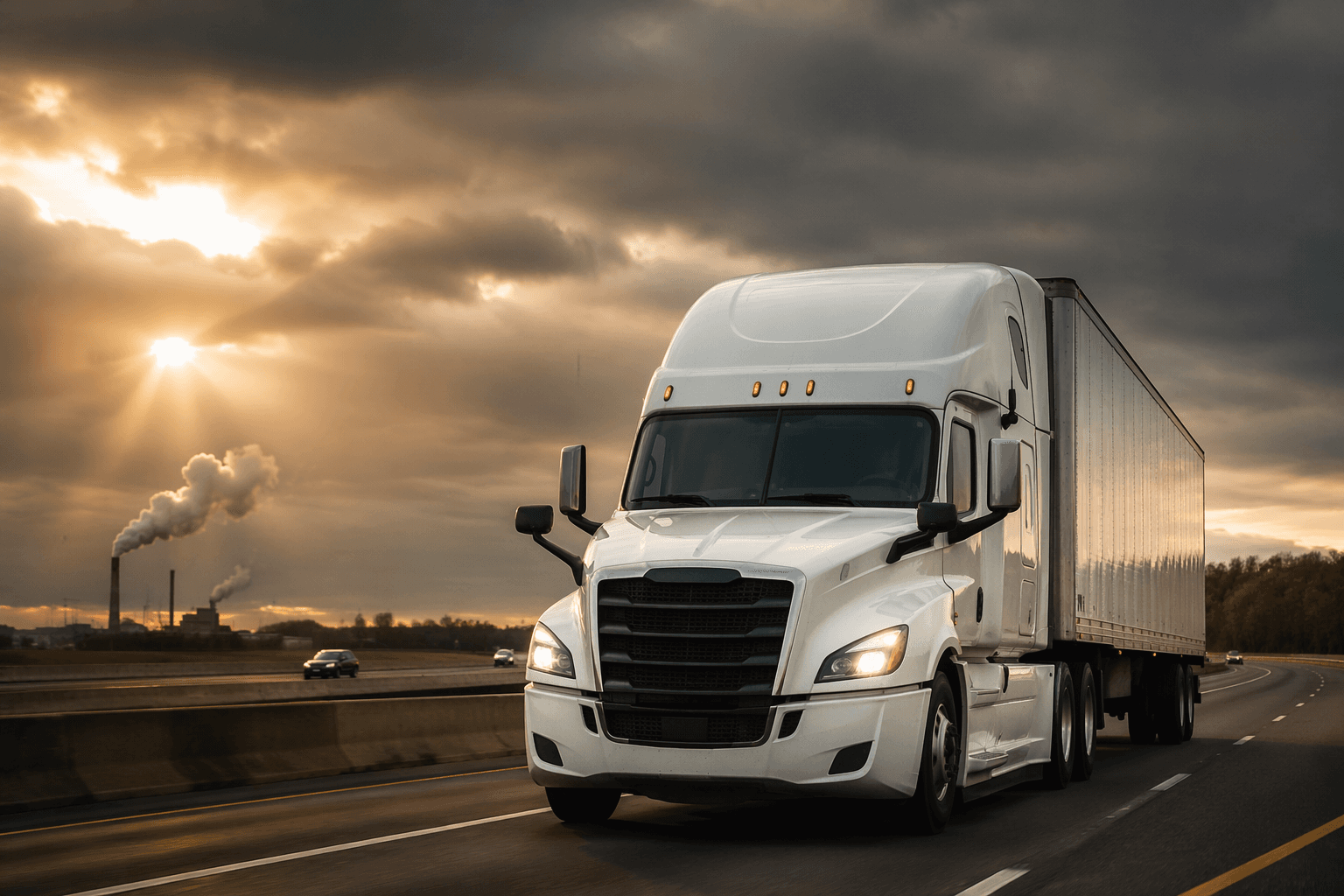
In practical terms, the proposal would keep existing model year 2026 warranty periods for model year 2027 and later engines, delay longer useful-life requirements until model year 2030, and eliminate diesel exhaust fluid-related derates and speed restrictions on newly manufactured highway engines and vehicles. EPA estimated the package could save the trucking industry up to $12 billion overall and as much as $6,000 per new truck, relief that would be felt quickly in purchase decisions, maintenance budgets and fleet replacement schedules.
The agency framed the rollback as a narrower adjustment than a full retreat. Its fact sheet said the proposal would retain nearly 90% of the nitrogen oxide reductions expected under the Biden-era rule. That comparison will shape the political fight: supporters can point to lower costs and fewer roadside penalties, while critics are likely to focus on the pollution that remains and the emissions that could linger longer in communities already exposed to freight traffic.
That exposure is not abstract. EPA’s 2023 final rule said heavy-duty vehicles were projected to account for 32% of mobile-source NOx emissions and 90% of on-road NOx emissions by 2045, and that 72 million people live within 200 meters of a truck freight route. Those are the neighborhoods most likely to absorb the burden if cleaner engines arrive more slowly than planned, especially along highways, ports and logistics corridors.
The trucking industry had pushed hard for relief before EPA acted. In August 2025, a coalition led by the American Trucking Associations asked the agency to delay implementation of the heavy-duty NOx rule until 2031, citing added costs and difficult market conditions. In November 2025, ATA said truck emissions had already been cut by 99% since 1970 and argued that further reductions would require costly and untested equipment.
The July 9 proposal also landed after EPA’s February 12, 2026 rescission of the 2009 Greenhouse Gas Endangerment Finding, underscoring how far the agency has moved from the Biden-era regulatory framework. Biden’s 2023 rule had tightened standards beginning in model year 2027 and extended compliance obligations through later model years; Zeldin’s proposal preserves the core NOx standards but eases the follow-on requirements that make them costly to meet.
This article was produced by Prism’s automated news system from verified source data, official records, and press releases, then run through automated quality and moderation checks before publishing. The system is built and supervised by the people who set the standards it runs under. Read our full AI policy.
Did this article answer your question?