Essential Bath Bomb Safety and Labeling Guide for Small-Batch Makers
Small-batch bath bomb makers get clear, practical safety and labeling guidance to reduce risks, protect customers, and meet cosmetic rules.
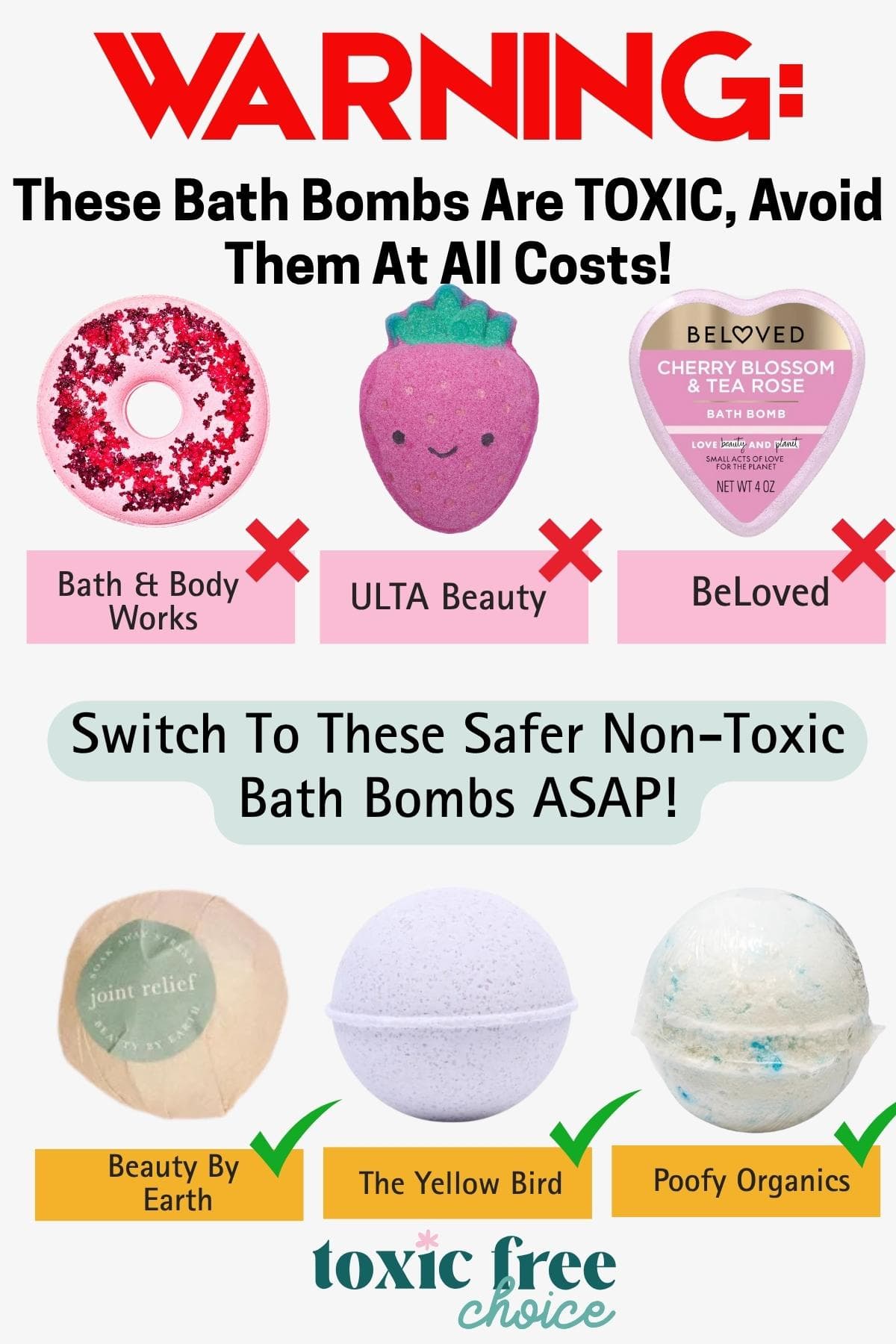
Small-batch bath bomb makers need straightforward safety and labeling practices to keep customers safe and businesses compliant. Ingredients like cosmetic-grade fragrance oils and essential oils are common, but they carry allergen risks. Log fragrance suppliers and known allergens such as limonene, linalool, cinnamal, and eugenol. Good-manufacturing hygiene and personal protective equipment are essential when working with powdered acids and concentrated fragrances to avoid cross-contamination, especially for batches intended for sensitive skin.
Typical bath bombs are made from sodium bicarbonate and citric acid and are diluted in bath water, so final pH rarely reaches irritating levels if formulated properly. Avoid adding raw alkalis or acids that could push the bath pH into ranges that irritate skin. When marketing for sensitive skin, favor milder fragrances, exclude SLS, and keep surfactant levels low. Test small patch applications on consenting volunteers to screen for irritation and keep those results with your formulation records.
Bath bombs are low-water products, but adding water-based components such as milk or herbal infusions changes that dynamic and raises preservation concerns. If you include water-containing ingredients, ensure product stability by using appropriate preservatives or adopting refrigerated, short-term storage and single-batch dating. For plain dry bombs, accelerated shelf tests help evaluate scent retention and fizz performance over time.
Labeling is a non-negotiable part of production. List INCI ingredient names and any country-required warnings, for example "For external use only." Include batch or lot numbers, net weight, manufacturer or contact information, and clear allergen declarations. Avoid unsubstantiated therapeutic claims unless you have supporting evidence and regulatory alignment. If your product contains small decorative items or toppers, clearly note choking hazards to keep caregivers informed.
Packaging and shipping choices affect customer experience and product integrity. Protect mica, glitter, and toppers with tissue or shrink film. Use silica gel to control moisture and cushion packaging to prevent crushed bombs. Mark packages as fragile and consider insurance for higher-value shipments to reduce losses from transit damage. Prefer cosmetic-safe colorants and biodegradable glitter where possible to limit environmental impact and align with customer expectations.
Keep a simple quality-assurance routine: record formulations, maintain supplier logs, test fizz performance, run scent-retention checks, and archive batch test results. Those records are practical tools when troubleshooting scent fade, inconsistent fizzes, or customer complaints.
For makers scaling beyond small-batch runs, consult local cosmetic regulations and safety-assessment guidance to ensure continued compliance. Following these practices keeps fizz reliable, customers safe, and small operations ready to grow.
Know something we missed? Have a correction or additional information?
Submit a Tip