Essential Drum Kit Maintenance: Checklist for Heads, Tuning, Hardware and Care
Proper maintenance increases your kit’s lifespan and tone; follow this checklist for inspection, heads, tuning, hardware, cymbals and storage to keep every stroke musical.
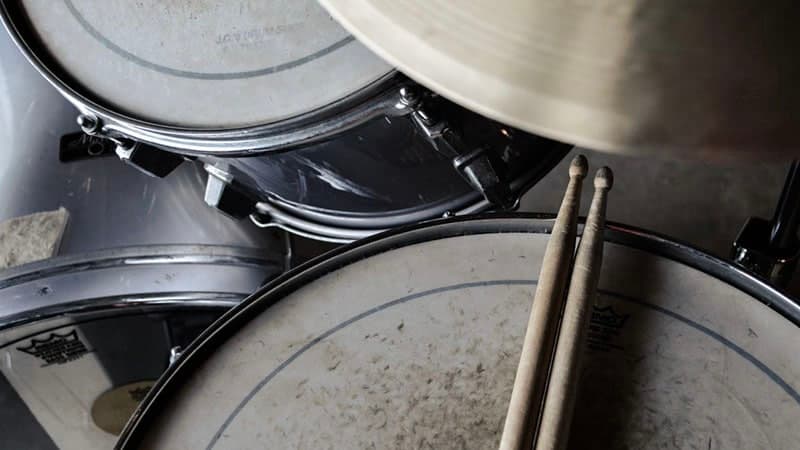
Proper maintenance increases the usable life of a drum kit, improves tone and reduces the likelihood of hardware failure. Poll: When did you last change a batter head? This week • This month • This year • I can’t remember
Why maintenance matters Drums are acoustic instruments that respond instantly to changes in tension, temperature, humidity, and playing intensity. Unlike electronic instruments, their sound is shaped physically, making tuning and maintenance essential rather than optional. When your drum kit is properly tuned and well maintained, every stroke produces a clear, controlled, and musical tone. Poor tuning, on the other hand, can result in unwanted overtones, uneven pitch, lack of projection, and listener fatigue.
Quick scope: the practical checklist This practical checklist covers inspection, heads and tuning, hardware care, cymbal maintenance, and storage — intended for hobbyists and gigging drummers alike. Treat it as an evergreen routine: small, repeatable actions that prevent rattles, tuning instability, and long-term shell damage.
Inspection Start every session with a visual and tactile sweep of the kit. Inspect drumheads for dents, stretching, or loss of tone; “Drumheads wear out gradually due to constant impact and tension. Look for dents, stretching, or loss of tone as signs that replacement is needed.” Check lugs, hoops and bearing edges for debris and corrosion, and feel hardware joints for looseness or play that could cause rattling. Before you tune, remove the drumhead if necessary and inspect the bearing edge for dust or debris. Clean the edge and hoop with a dry cloth. A clean surface allows the drumhead to seat properly, which is essential for accurate tuning and tone.
Drumhead care and selection Cleaning drumheads with a dry or slightly damp cloth removes stick residue and preserves responsiveness. Wipe batter and resonant heads after every session to remove sweat and dust; that simple habit keeps the head seating predictable and the response consistent. Head selection affects both durability and feel: “Thicker heads provide durability and focused tone, while thinner heads offer greater sensitivity and resonance.” Match head thickness to your style and demands: heavier hitters and gigging kits tend toward thicker batter heads, while practice and dynamic players often prefer thinner options for feel and nuance. Replace heads as soon as they show the signs listed above rather than waiting for catastrophic failure.
Tuning fundamentals Drum shells, bearing edges, hoops, and even the type of drumhead used all influence tuning results. Because drums react to tension and environmental changes, tune with context: room temperature, stage lights and long sets will all alter pitch. Aim for clarity: when your drums are properly tuned, tones are “clear, controlled, and musical.” Poor tuning produces the opposite: overtones, uneven pitch and listener fatigue. For toms specifically, “Tune rack toms slightly higher than floor toms” and “Maintain musical intervals between toms.” Those two rules keep fills musical and help heads relate to each other across the kit.
Tuning practice: preparation and approach Before tuning, do the bearing-edge inspection and hoop cleaning described above. Seat the head cleanly, finger-tighten the lugs to a uniform starting tension, and then bring the head up in even steps around the hoop so the head is seated evenly. Because the full step-by-step sequence in the reference materials is fragmentary, prioritize a clean bearing edge and even seating first, then work on relative pitches between batter and resonant heads and between drums. Listen for sympathetic ring and unwanted overtones, and adjust until you hear a clear, controlled note from each drum.
Dampening and controlling overtones Use dampening if needed for control. Dampening is a quick, reversible tool when a tuned drum still produces an unwanted overtone or exits the mix. Apply minimal dampening first—small pads, gels or adhesive rings—and increase only if the tone remains unruly. The goal is to control the sound without killing the drum’s musical character.

Hardware care and lubrication Don’t let the stand and clamp work be an afterthought: “lubricate moving parts and check for loose screws.” Tighten tension rods and replace stripped screws before they strip further. Lubrication of moving joints and pedal pivots keeps actions smooth, reduces wear and prevents hardware failure on stage. Loose hardware or worn drumheads can cause rattling, tuning instability, and even long-term damage to the shells, so treat hardware checks as part of your tuning ritual.
Cymbal maintenance The checklist explicitly includes cymbal maintenance as a category to cover. Follow the same after-session habit you use on heads and shells: wipe cymbals to remove dust, fingerprints and stick residue. Store cymbals individually or in divider-equipped cases to avoid keying and dents. For gigging kits, quick visual inspection for cracks at the bell and key mounting holes should be routine; addressing a crack early prevents more extensive damage.
Storage and long-term care Proper storage preserves both tone and hardware integrity. Keep drums and cymbals in cases or padded bags when not in use and avoid extreme temperature swings and high humidity, which affect shells, bearing edges, and head tension. Stack cymbals only with protective dividers and avoid leaving heads tensioned at gig-tension for months in unconditioned storage. Remember the core claim that started this checklist: maintenance increases usable life and reduces the likelihood of hardware failure.
- Start by wiping down your drums after each session to remove dust and sweat.
- Replace drum heads when they look worn or lose their tone.
- Regular tuning ensures your kit always sounds its best, and learning how to tune properly is an essential skill.
- Lubricate moving parts and check for loose screws before a long set or tour leg.
Daily and pre-show checklist
Keep a short routine you can perform in minutes:
These small steps help keep your kit reliable and sounding great.
Teaching and resources If you want hands-on guidance, the materials reference instruction opportunities: “Learn from a London-based, professional drum teacher in a custom Essex studio.” Names that appear in the source materials include Callum Harrower, whose name is repeated in the fragments provided. Seek structured lessons or a tech session if you want visual demos of bearing-edge inspection, head seating and tom-interval tuning.
Conclusion Keep the routine compact and consistent: inspect, clean, seat heads cleanly, tune with musical relationships in mind, control overtones with light dampening, and maintain hardware. Proper maintenance increases the usable life of a drum kit, improves tone and reduces the likelihood of hardware failure. Follow this checklist and your kit will reward you with dependable tuning, focused tone and fewer surprises on stage.
Know something we missed? Have a correction or additional information?
Submit a Tip

