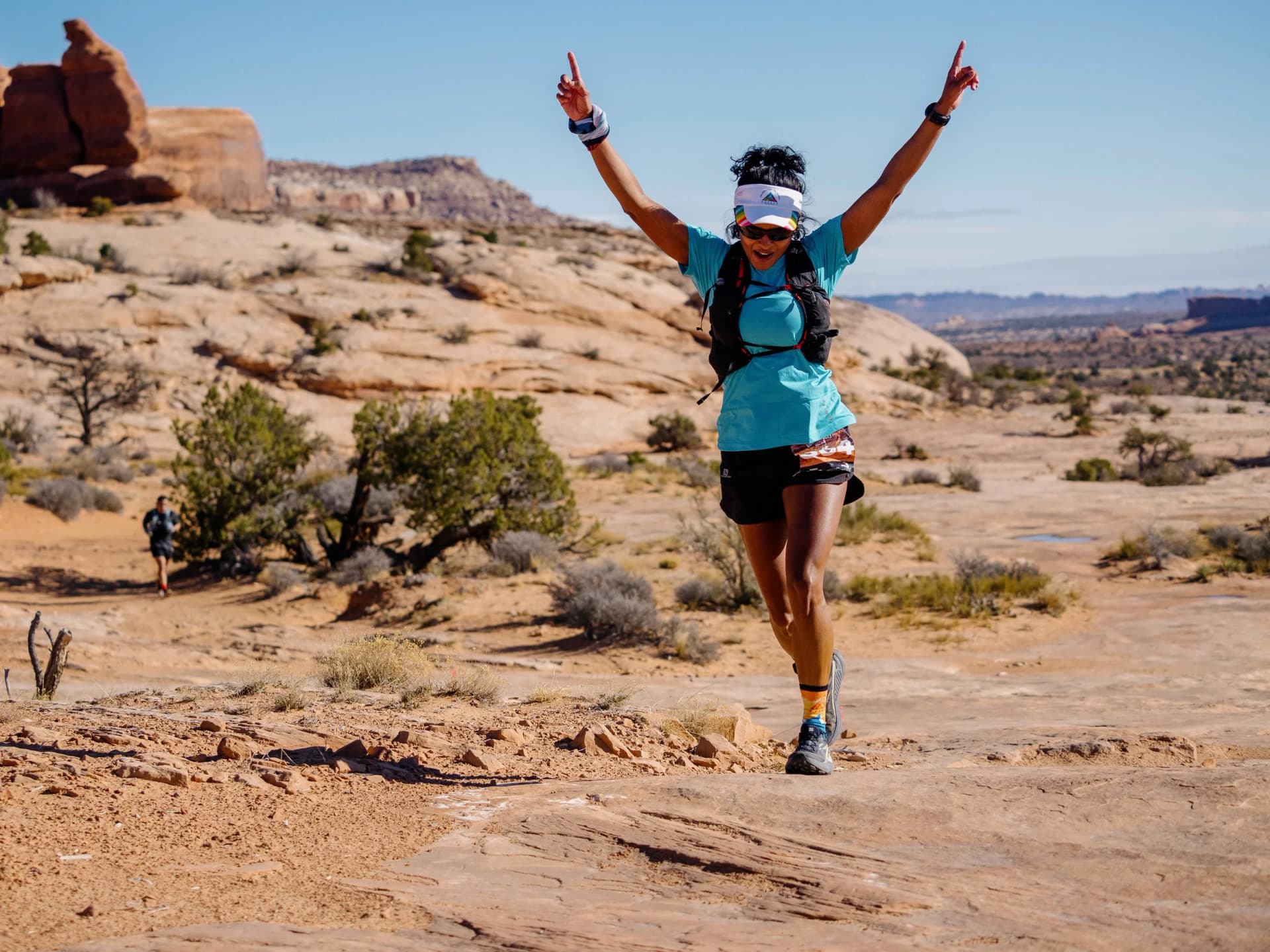
Essential Four Corners Desert Safety and Leave-No-Trace Tips for Adventurers
Practical desert safety and leave-no-trace tips for Four Corners adventurers to reduce rescues and protect fragile landscapes.
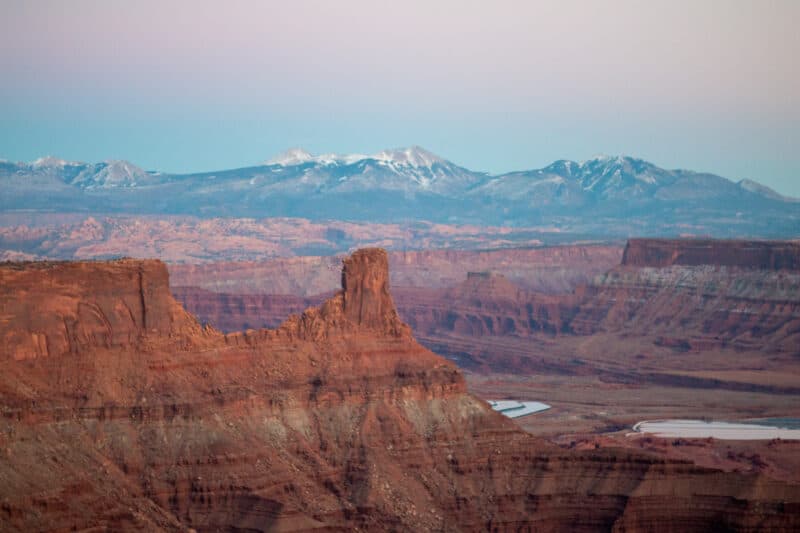
Desert travel across Moab, Canyonlands, Monument Valley and the wider Four Corners region rewards careful planning as much as grit. Carrying enough water, navigating reliably, and minimizing impact on fragile soils are the immediate actions that keep trips enjoyable and prevent costly rescues.
Hydration is nonnegotiable. In warm weather carry at least 1 liter per hour of activity, and increase that for hiking or biking. Cold-weather trips still carry dehydration risk, so pack accordingly. Stash extra water in your vehicle and in remote stretches consider cached water drops near planned stops if permitted by land manager rules.
Navigation failures are common. Download offline maps from Gaia, Maps.me or USFS and NPS sources, and carry a paper map and compass as backups. File a trip plan with a contact who will check in if you do not return. Satellite devices add redundancy; carry a personal locator beacon or a satellite messenger such as a Garmin inReach when you expect to be outside cell coverage.
Footwear and traction matter on slickrock and narrow canyon trails. Use sturdy shoes with good grip for sandstone approaches. For winter or high-elevation ice, bring microspikes; use crampons when slopes are steep and icy. Footwear choices reduce slips and keep fragile cryptobiotic soil crusts intact, preventing erosion.
Vehicle prep separates a day trip from a long night on the mesa. If you are driving unpaved routes such as the Valley Loop in Monument Valley or backcountry roads around Moab, carry at least one spare tire, a jack, and recovery gear. Bring extra fuel and water, and confirm whether your rental agreement allows travel on dirt roads before you leave the pavement. Know your vehicle’s limitations and give yourself turnaround times so you don’t get caught after dark or in worsening weather.
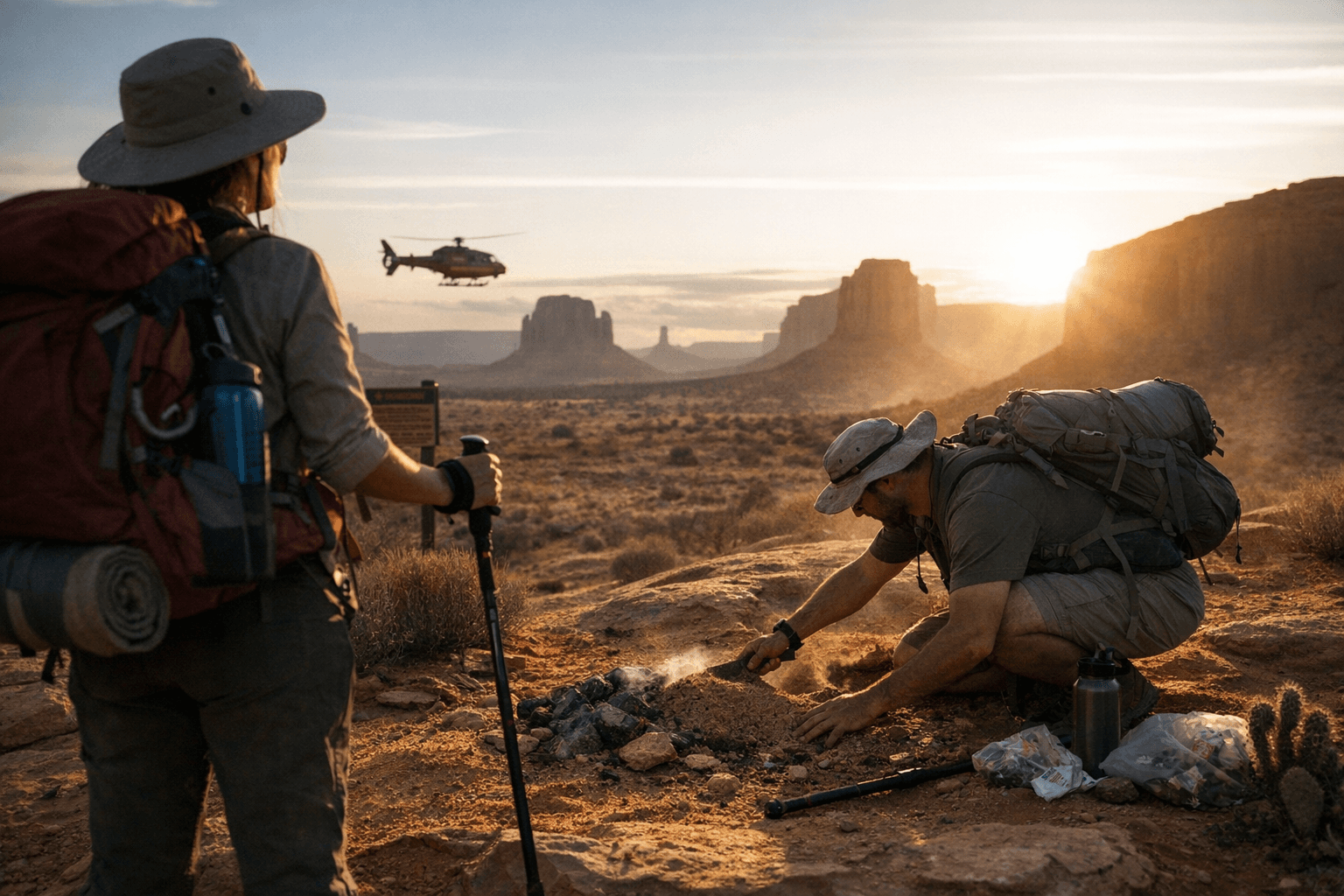
Flash floods, sudden storms and wide temperature swings are ever-present hazards. Avoid slot canyons when rain is forecast anywhere upstream and check local forecasts and park alerts before entering drainages. Move off low washes early if storms approach and plan escape routes on maps, not just memory.
Respect wildlife and plants. Keep distance from animals and never feed them. Do not step on cryptobiotic soil crusts; those dark crusts stabilize desert sands and support seedling growth for years. Treat campsites and campfires with caution: many BLM and tribal lands restrict fires, and fire rules vary by unit.
Pack out what you pack in. Carry out toilet paper or, where permitted, dig catholes 6 to 8 inches deep, well away from water and trails. These small practices cut down on human waste impacts and keep trailheads welcoming.
These measures reduce search-and-rescue calls, protect sensitive landscapes and make adventures safer for everyone. Check forecasts and alerts, confirm rental road policies, carry redundancy in navigation and communications, and leave the desert as you found it so the slickrock, canyons and night skies stay wild for the next party.
Know something we missed? Have a correction or additional information?
Submit a Tip