Essential Low-Cost Tips for New Homebrewers to Improve First Batches
Practical low-cost tips help new homebrewers improve first batches by prioritizing sanitation, simple extract or BIAB recipes, yeast care, and basic gear upgrades.
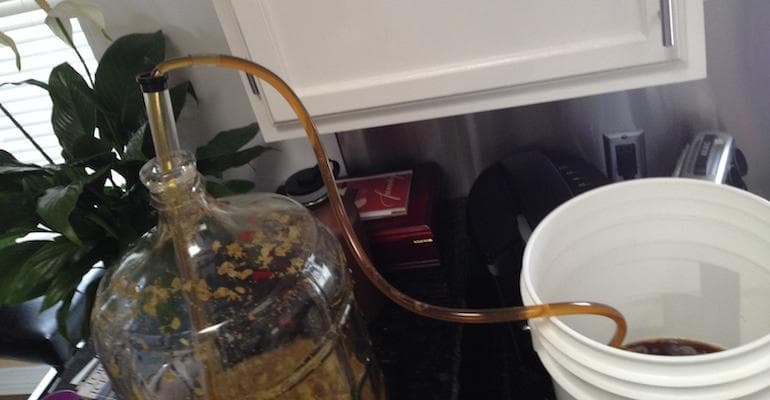
New brewers can make a big difference in their first batches without spending a lot by focusing on a handful of high-impact, low-cost actions. Start with sanitation as the top priority: clean and sanitize everything that touches wort or beer. No-rinse sanitizer applied to fermenters, lids, airlocks, siphons, and bottling gear cuts infection risk and saves a lot of wasted time and ingredients down the road.
Reduce variables by choosing simple recipes. Extract or brew-in-a-bag (BIAB) approaches trim the mash complexity and let you learn water, hop additions, and fermentation without juggling mash chemistry or multi-vessel transfers. For a standard 5-gallon batch, plan on a kettle in the 8-10 gallon range so you don’t risk boilovers and have room for a vigorous boil.
Cooling wort efficiently speeds yeast pitching and reduces infection risk. An immersion wort chiller is an affordable, effective upgrade; for tight budgets, an ice bath works but costs time. Faster chill also helps you hit target fermentation temperatures sooner, which matters because yeast performance and flavor development are driven by temperature control. Use a swamp cooler, a fermenter wrap, or a fridge with a basic temperature controller to hold fermentation in the recommended range for your yeast strain.
Pick reliable yeast and handle it properly. Dry yeasts are forgiving for beginners, while liquid strains offer more variety but may need starters or attention to cell counts. Rehydrate dry yeast or make a starter when using liquid cultures so fermentation kicks off cleanly and on schedule. Measure specific gravity with a hydrometer or refractometer to track fermentation progress and confirm attenuation; recording original and final gravity is the simplest way to verify a batch went where you expected.

Keep detailed notes on each brew: recipe, water profile tweaks, mash or steep times, boil additions, pitch rate, temperatures, and gravity readings. Notes turn guesswork into repeatable results and make troubleshooting easier when off-flavors appear. Learn to tie common off-flavors back to causes like sanitation lapses, fermentation temperature swings, oxygen exposure, or yeast stress so you can fix the process rather than the recipe.
Plan equipment upgrades across several batches. Prioritize a good kettle size and a wort chiller, then add better temperature control and measurement tools as you go. Those staged investments stretch a tight budget while delivering the biggest quality gains first.
With these practical steps you cut rookie mistakes, improve consistency, and free up time to experiment. Apply each tip over a few brews, track outcomes, and the next batch will be better for the work you put into the fundamentals.
Sources:
Know something we missed? Have a correction or additional information?
Submit a Tip