Essential Minimal Techno Checklist for DJs: Groove, EQ, Transitions
A concise checklist for DJs clarifies how to shape minimal techno sets with groove-first sequencing, surgical EQ and hypnotic transitions to keep dancefloors engaged.
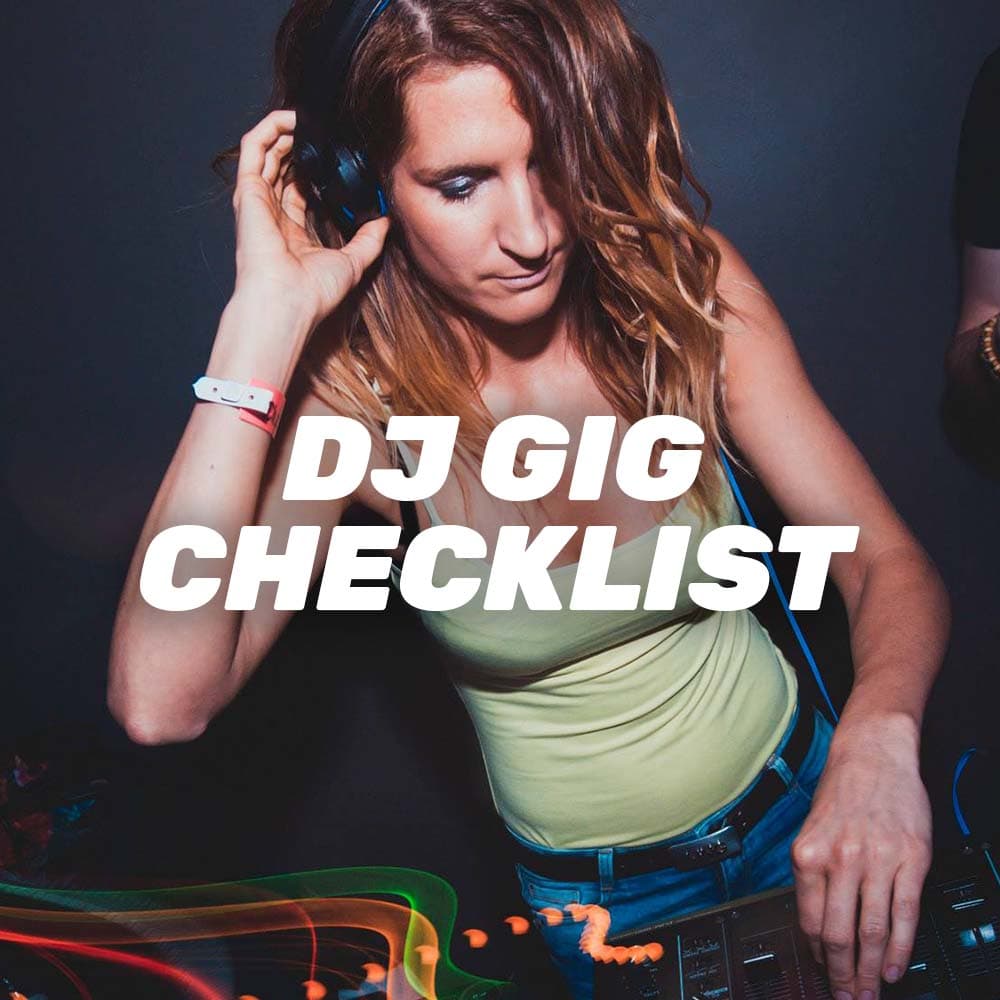
Minimal techno rooms reward restraint and attention to detail. This checklist lays out a dancer-focused playbook you can use tonight: start with groove and texture, cut muddiness with narrow EQ moves, and connect tracks with long tails and micro-edits so the floor stays locked in.
Track selection and sequencing set the frame. Open with drier percussion and deeper grooves, then progressively increase harmonic density as the set develops. Plan 2-3 anchor tracks for mid-set peaks and 3-4 low-energy tracks to manage breakdowns and closers. Keep the first third of your set textural and rhythm-forward so you can exploit subtle shifts later without needing to leap to a high-energy tune.
EQing and mixing technique deliver clarity without killing vibe. Prefer narrow, subtractive EQ cuts to remove problem bands; remove 200-400 Hz muddiness to free up bass and percussion. Use notch filtering to carve conflicting mid elements rather than broad boosts, and layer beats with phase-aligned kicks to preserve punch and low-end focus. Think surgical rather than sculptural: dial out the mud and let transients and groove breathe.
Transitions are where minimal sets win or lose a room. Match energy by aligning kick-and-bass energy and perceived loudness rather than only BPM. Use long reverb or delay tails as smoothing tools to blur endpoints, and employ micro-edits or looping to craft hypnotic transitions instead of sudden changes. Those small looping moves and delay swims turn technical edits into musical moments and keep dancers in the pocket.
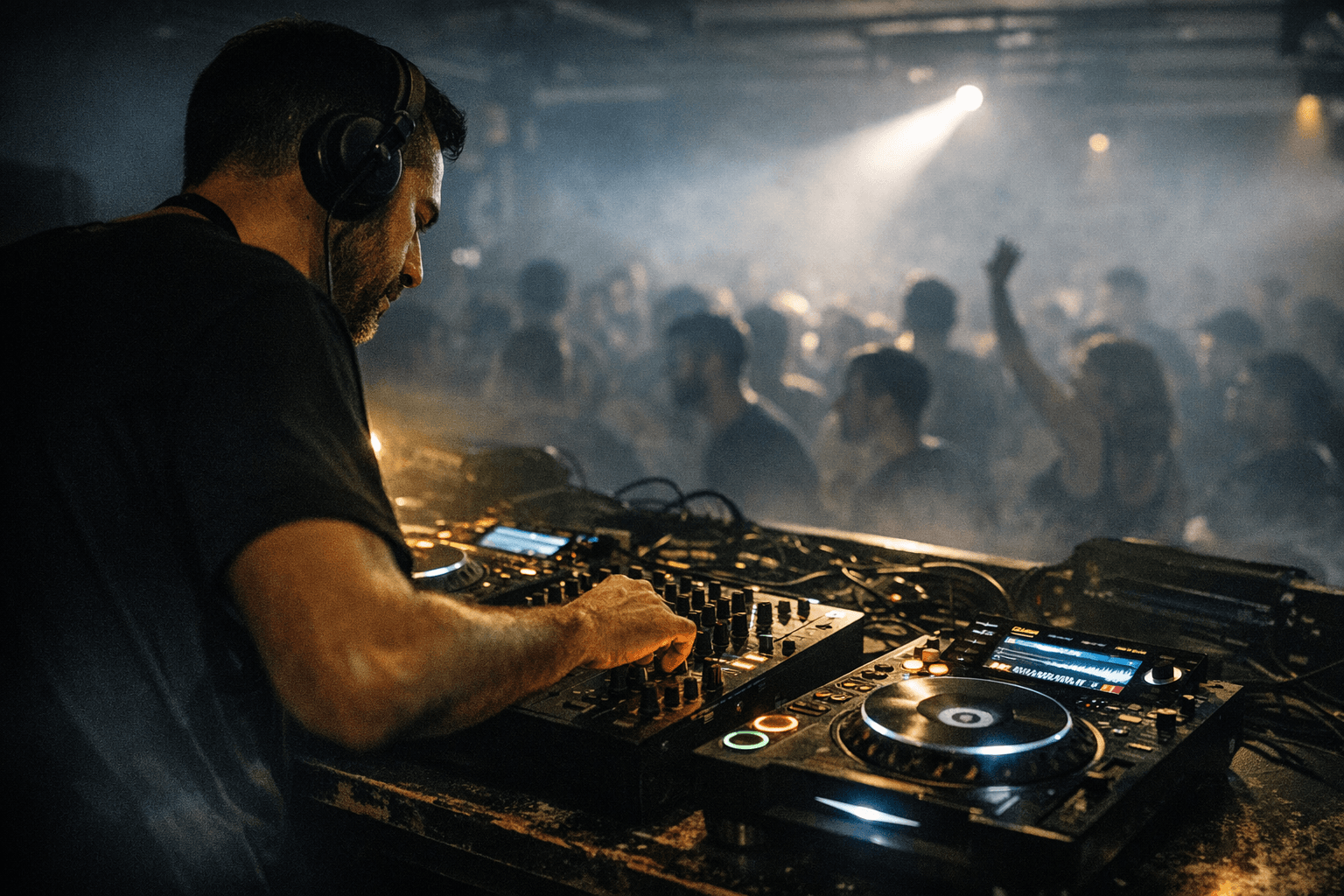
Room reading in minimal spaces is intimate. Watch floor energy closely; small changes in groove, percussion or bass can significantly alter mood. If the crowd responds to minimal shifts, amplify those elements - fold in subtle percussion, tweak a hi-hat or nudge bass resonance - instead of switching to a big peak tune. Minimal rooms reward patience: let subtlety do the heavy lifting.
Tools and workflow streamline decision-making under pressure. Prepare cue points for intro, mid and outro loops, keep 2-3 spare tracks with flexible energy levels for on-the-fly adjustments, and carry a set of stems or acapellas if you plan live layering. This checklist is intentionally concise so you can adopt a consistent, dancer-focused approach without overcomplicating your crate.
Taken together, these practices make minimal sets more reactive and reliable. Practice the cuts and transitions until they become instinctive, integrate spare tracks into your standard crate, and expect tighter, more responsive sets that keep floors moving through nuance rather than volume.
Know something we missed? Have a correction or additional information?
Submit a Tip