Essential safety strategies for long-distance hiking with hyperenergetic dogs
“For each hour of hiking, plan on taking a minimum of 8 ounces of water for your dog,” and freeze bottles 3/4 full the night before so your pup has cool water as the ice melts.
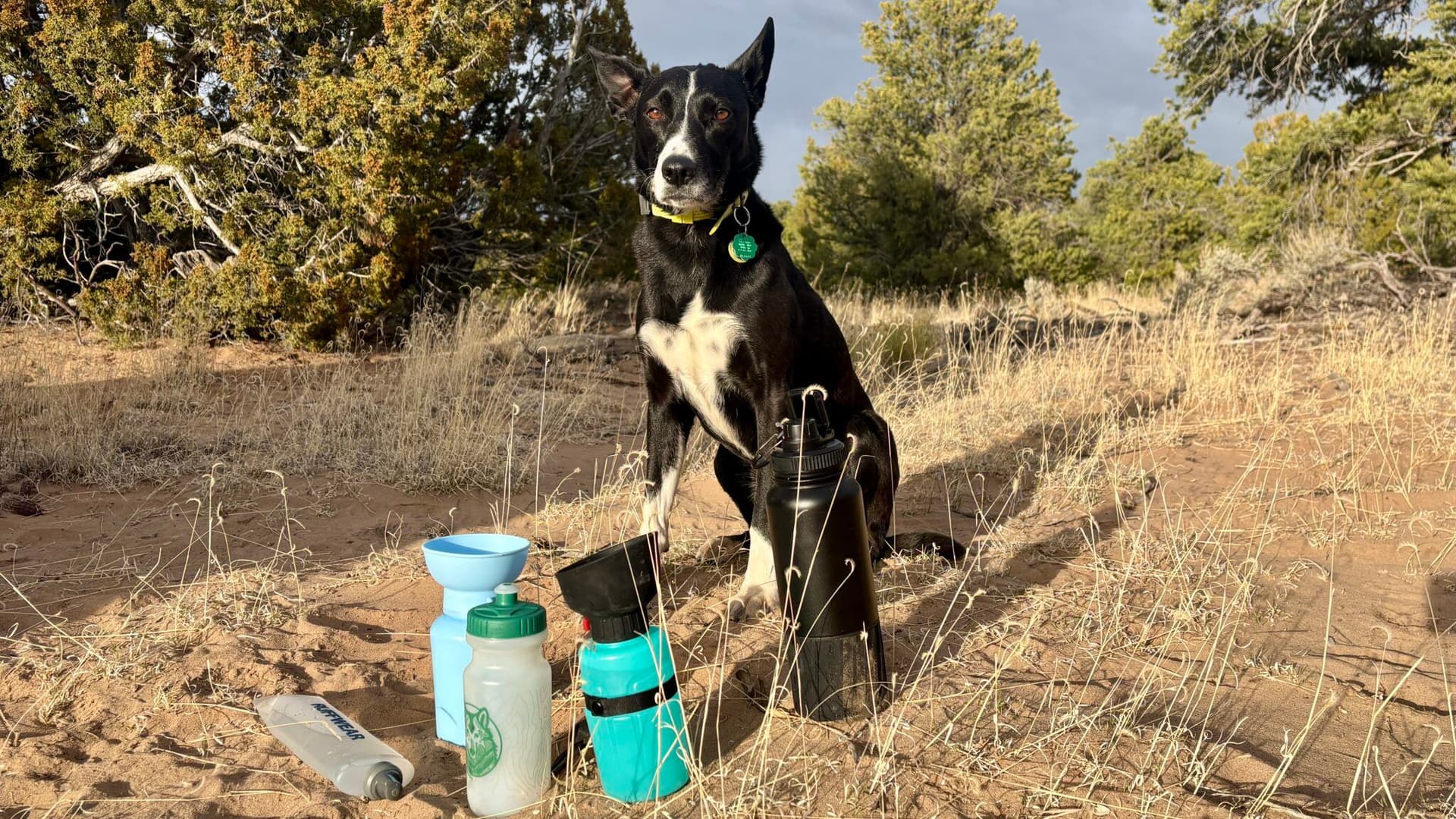
“For each hour of hiking, plan on taking a minimum of 8 ounces of water for your dog,” Irondoggy advises, and pairs that rule with a practical hack: freezing plastic water bottles 3/4 full the night before so the ice melts into cool drinking water while also taking some unfrozen bottles for the start. Those two measures form the backbone of hydration planning for day hikes, overnight trips, and multi‑day treks with high‑energy dogs.
Schedule a vet visit before extended hikes to confirm your dog is fit for extended work, the Original Report recommends. Build endurance gradually by starting with shorter hikes and increasing distance, as Planpackdiscover outlines, and if you plan to sleep on trail, AnimalWellnessMagazine explicitly recommends having your dog sleep in your tent ahead of time so he becomes accustomed to tent sleeping.
Preventivevet states, “It is imperative that you have a pet emergency plan before you go hiking with your dog!” That plan means researching the nearest emergency veterinary facility and how to get there, checking cellphone service availability on your route, and packing a well‑stocked dog first‑aid kit. Nonstopdogwear’s long‑distance hiker Stine Cecilie Mikalsen attended a first‑aid seminar before her expedition, reinforcing that hands‑on training complements a kit.
On‑trail monitoring is clinical and specific. AnimalWellnessMagazine records veterinarian Dr. Molly Jette’s instruction: “Stop immediately, as your dog is probably overheated. Find a shaded area and help him cool off by running cold water over his paws.” Preventivevet lists heatstroke signs you must watch for — excessive panting, drooling, bright red or deep red gums — and possible progression to vomiting, diarrhea, mental dullness, uncoordinated movement, collapse, and loss of consciousness.
Pack with purpose: bring a collapsible bowl, dog first‑aid items such as vet wrap, tweezers, and antiseptic from Planpackdiscover’s checklist, high‑energy snacks like dog jerky named by Irondoggy, and waste removal supplies — doggie doo bags or a small folding shovel or trowel. If your dog carries a backpack, Irondoggy notes it can carry a collapsible bowl and a portion of its water, plus treats and doo bags. Consider clothing choices: insulated jackets for short‑haired dogs, cooling vests for long‑haired dogs, and boots for abrasive or slippery terrain. Preventivevet also lists a product name that may be useful on trail: Tuff Pupper PupFlask.
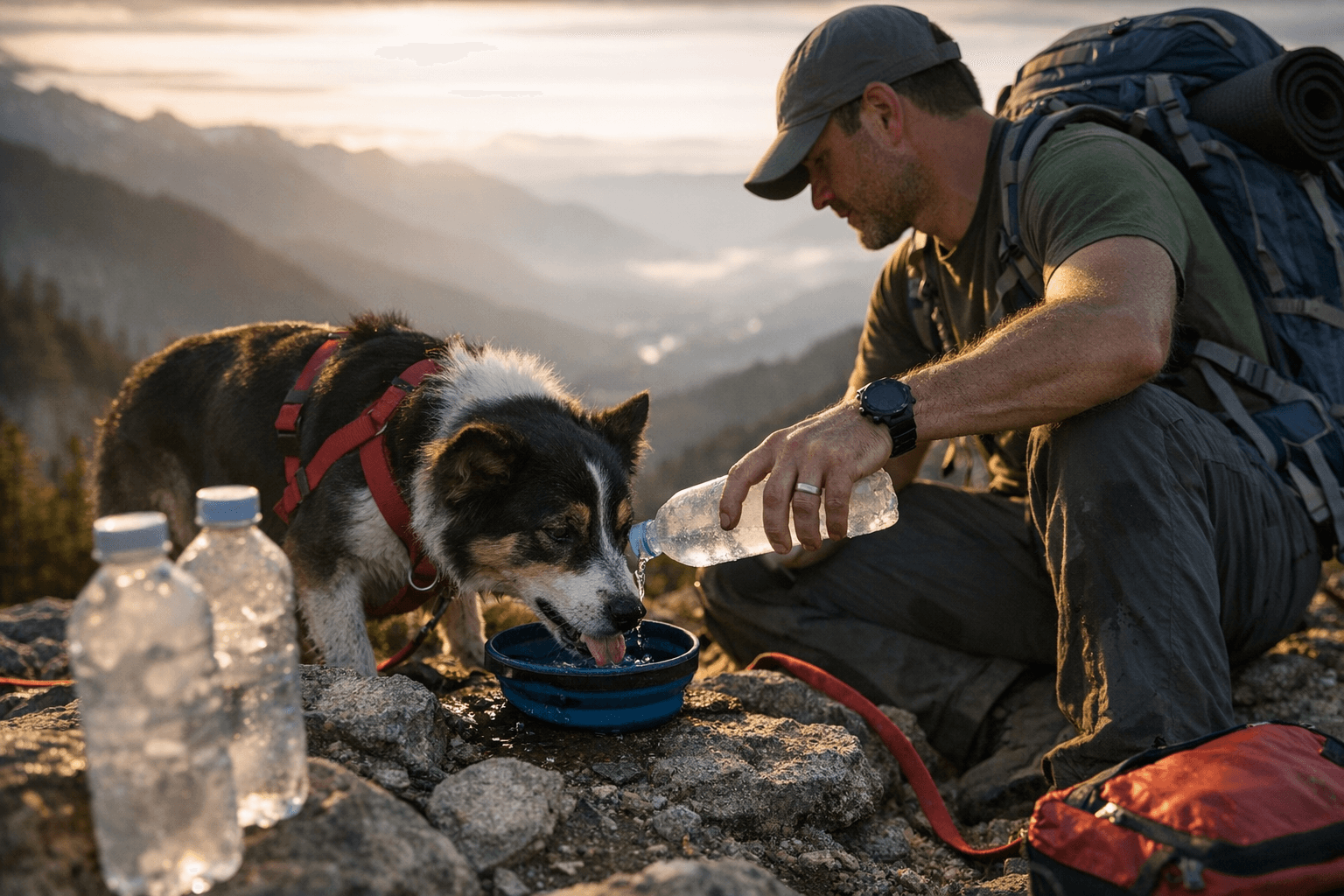
Environmental hazards demand constant vigilance. Planpackdiscover highlights toxic mushrooms and poison oak; Irondoggy warns that puddles, ponds, lakes, and slow‑moving streams can harbor bacteria, parasites, and deadly blue‑green algae and are “Not a good place to get a drink!” Both Planpackdiscover and Irondoggy urge tick and wildlife awareness and emphasize that “Leave No Trace Applies to Dogs, Too” — keep dogs leashed where required, pick up waste, and stay on trail.
For a hard‑won example, Nonstopdogwear chronicled Stine Cecilie Mikalsen and her Alaskan Malamute Nanook preparing for a 2.800‑kilometer walk across Norway from Nordkapp to Lindesnes. Mikalsen trained, did health checks, chose a bigger tent for bad weather, and packed by category — Electronics, Navigation, Clothes and other gear, Cooking, Hygiene and safety, Camp‑gear, Food — and wrote, “I am both excited and nervous at the same time!” and “I am determined to make this, together with Nanook.” She also invited followers: “Feel free to follow our journey on Instagram!”
Keep the checklist tight: vet visit, emergency plan with nearest emergency vet and cell coverage check, minimum 8 ounces per hour per dog plus the frozen‑bottle trick, collapsible bowl, vet wrap, tweezers, antiseptic, high‑energy snacks, waste bags or trowel, appropriate clothing and boots, and an organized dog backpack. For brachycephalic breeds such as Pugs, English and French Bulldogs, and Boxers, Preventivevet warns they overheat faster; hike during the coolest parts of the day, carry small dogs in a backpack when needed, and condition them slowly.
Know something we missed? Have a correction or additional information?
Submit a Tip