Essential spot etiquette and stewardship for foil surfers
Practical local-spot etiquette and stewardship for foil surfers to stay safe, share crowded lineups, and protect beach access.

Good manners and stewardship are as important as good gear when you’re flying a foil through a busy lineup. Foil surfers across disciplines, surf foil, SUP foil, wingfoil and e-foil, face the same core challenges: foils extend below the surface, interactions differ from hardboards, and long-term access depends on how the community behaves. Follow these practical practices to reduce risk, ease tension, and keep spots open.
Before you go, do your homework. Know currents, reef and rock hazards, launch and exit points, and any local rules that apply to motorized craft and e-foils. Speak with local schools or clubs to learn seasonal patterns and common conflicts. Match your gear to the conditions and your skill level; in crowded surf favour setups that are predictable and easy to control.
On the water, follow surfing priority: first to the peak and the inside rider have priority. Avoid paddling through established lineup routes and give space to surfers on unfoiled boards, their timing and manoeuvrability differ. Keep distance: foils create entanglement risk under the surface, so launch and land from a quiet sector of the lineup when possible. Communicate clearly with verbal calls and eye contact; call taking off or overtaking so others can respond. When launching in crowded conditions wait for a lull or move to the shoulder, and after you catch a wave clear the take-off zone quickly and ride toward an exit to avoid blocking the lineup.
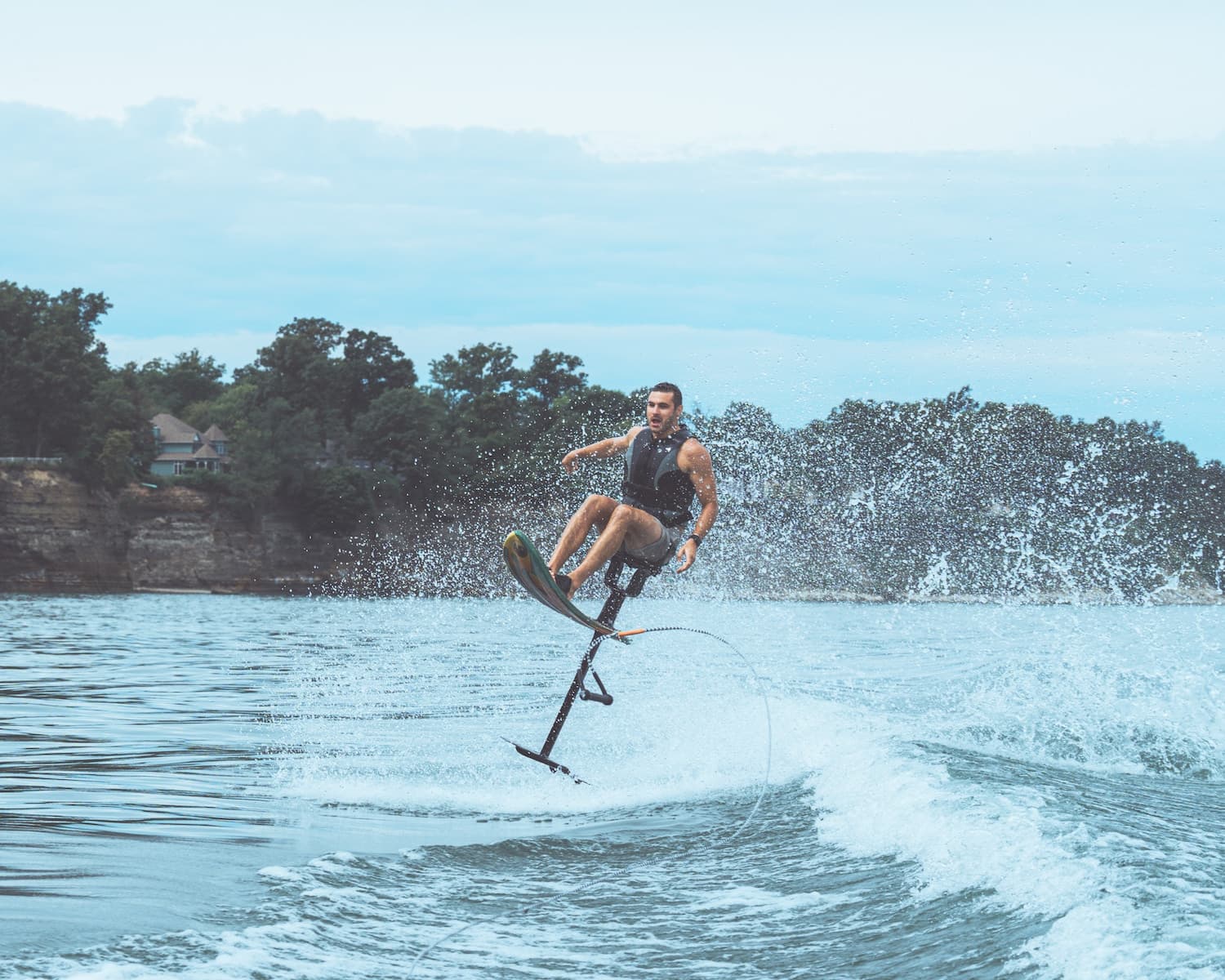
When you fall, protect the foil and yourself. Cover the foil with a free hand when surfacing if you can, get clear of the board fast, and swim toward shallow water to regain control rather than paddling toward the main line of riders. If you are stuck or injured, raise an arm and wave to attract attention and notify lifeguards or beach patrol immediately.

Respect and stewardship matter on land as well as in the water. Minimise noise and footprint by parking responsibly, using biodegradable wax, and avoiding single-use plastics. Keep equipment piles off fragile dunes and vegetation. Support local providers: book lessons or rentals locally to help maintain permission and access infrastructure. Report hazards such as debris, damaged access points, or unsafe behaviour to local authorities or clubs.
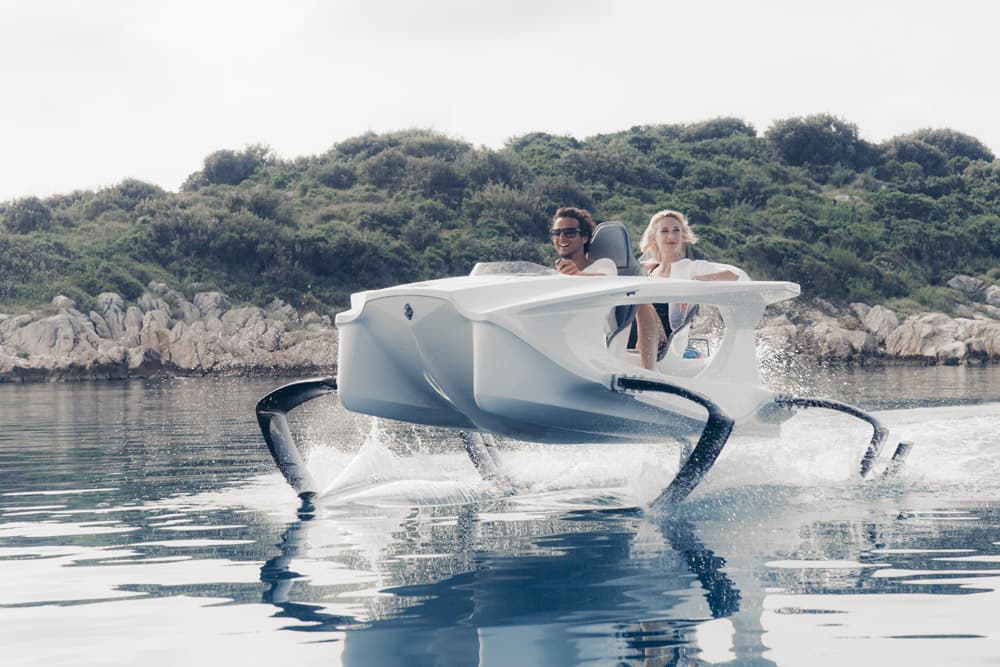
E-foil riders must treat their boards like low-speed powerboats where motor craft are allowed: observe speed zones, keep distance from swimmers and surfers, and never charge or service lithium batteries on the beach, follow local disposal and recycling rules.
If tensions flare, de-escalate: speak calmly, apologise if you made a mistake, and bring recurring issues to local surf clubs, councils, or lifeguards so formalised rules or signage can be considered. Know the local rules; use appropriate gear; give surfers and swimmers clear space; launch and land at the shoulder; report hazards and support local providers; de-escalate conflicts and promote safe behaviour. Do these things and you’ll help keep foiling welcome at your favourite breaks while keeping everyone safer and the lineup flowing.
Know something we missed? Have a correction or additional information?
Submit a Tip