Essential starter kit checklist for Warhammer 40k hobbyists
A practical starter kit lists essential tools, paints and buying tips to get new Warhammer 40k players building and painting right away.
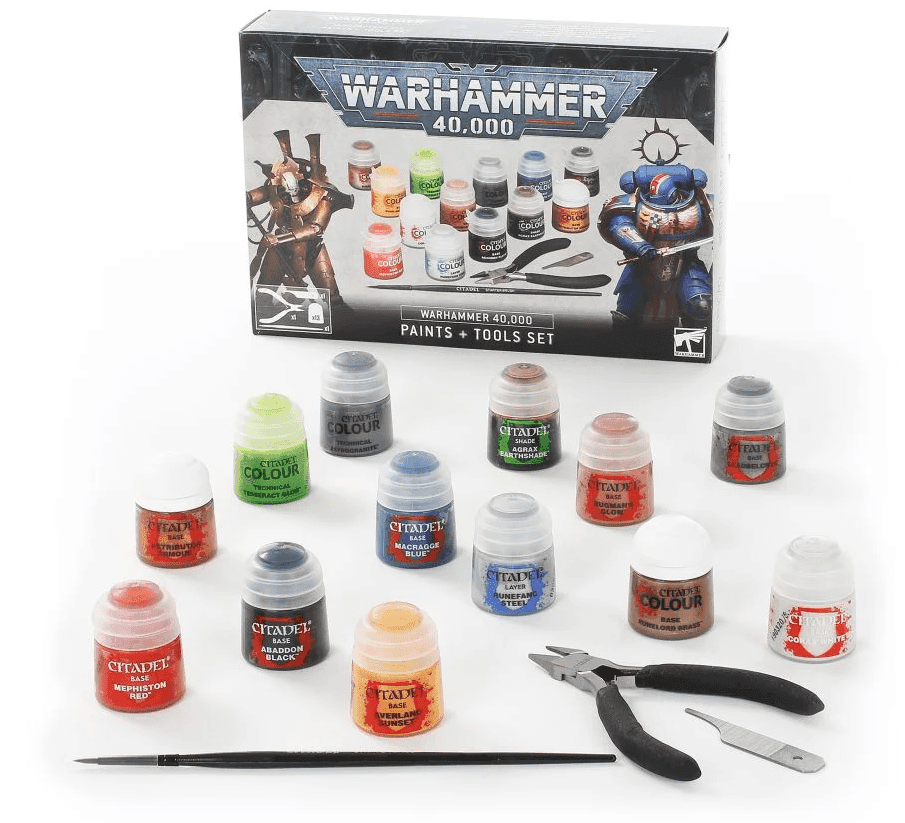
Getting into Warhammer 40k starts at the bench, not the battlefield. A compact, practical starter kit will save time, frustration and money by focusing on the handful of tools and materials that matter most for a clean build, reliable assembly and tabletop-ready paint jobs.
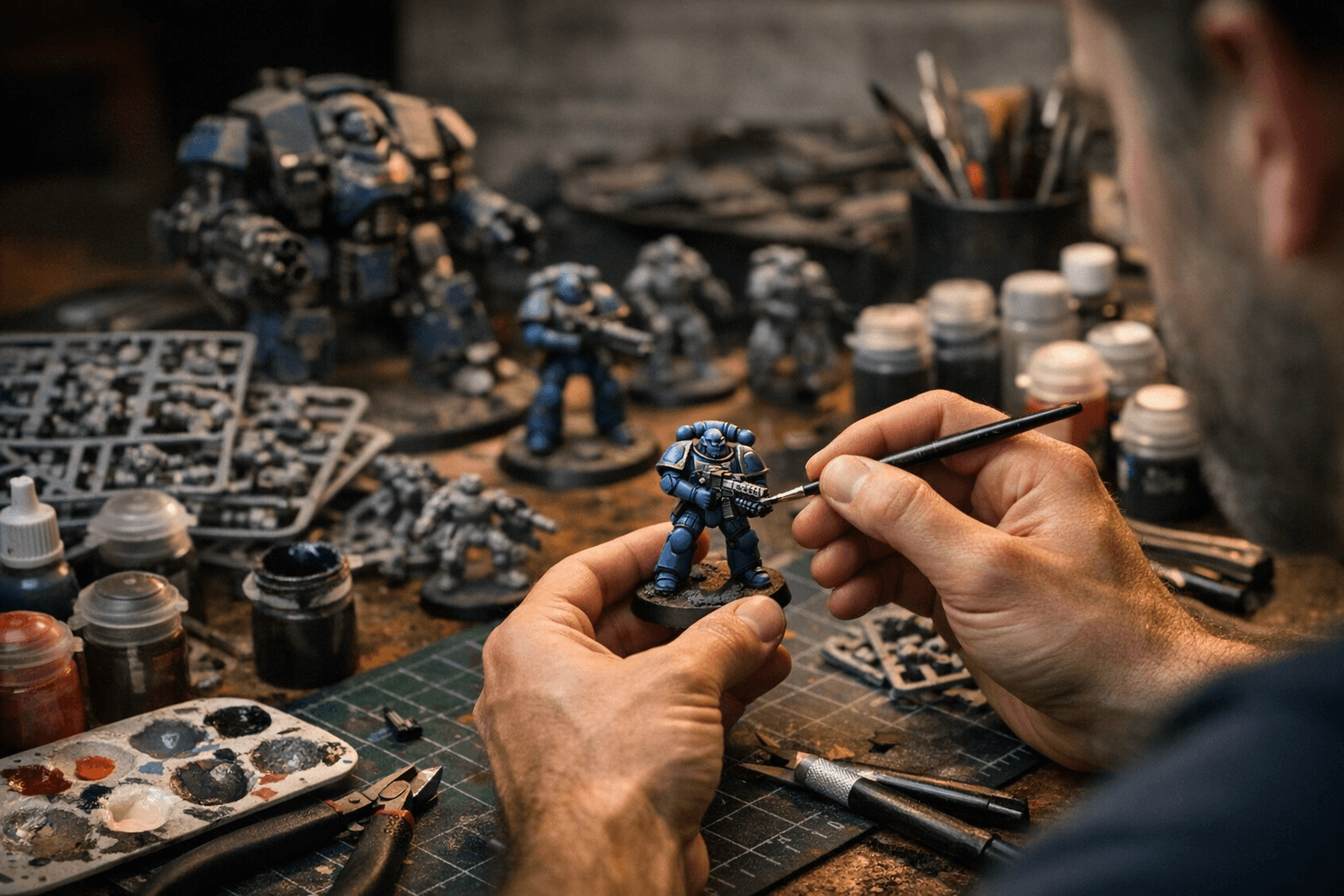
Begin with cutting and cleanup tools: pick a sharp XI- or X-acto style hobby knife and a good pair of side cutters for removing parts from sprues. Small files and sanding sticks handle mould lines and fit issues. Add a cutting mat to protect surfaces and keep small parts from rolling away. For assembly, bring both plastic glue and superglue, plus a pin vice with small drill bits for pinning heavier joins. Tweezers and a basic sculpting tool help with trims, conversions and gap filling.
Brush selection can make or break early paint jobs. Have one small detail brush in 00–0, a standard base or layer brush in sizes 1–2 and a dry brush for texture work. Use a palette, wet or dry, to manage thinning and mixing. Start your paint collection with base colours keyed to your army, a set of contrast paints or a Versa/Layer basic set for quick coverage, a wash or shade for depth, and a technical paint for effects. Buy paints piecemeal to match the palette you plan to run so you avoid overspending on colours you will never use.
Priming and protection matter. Use a primer suitable for your method, either spray or airbrush, and pick up both matte varnish for finished models and gloss varnish for lenses or special effects. Basing materials complete the look: stock basic supplies such as sand, static grass and PVA glue to produce simple but effective bases.
If you plan unit swaps or magnetised weapons, include small magnets and a magnetiser in your kit. These let you field flexible loadouts and reduce repainting over long campaigns. As buying advice, prioritise quality for glue, brushes and a good cutter, since cheap versions create recurring problems. Consider starter boxed sets like a Combat Patrol or a Starter Set for model value and coherent paint schemes that reduce kitbashing overhead.
This checklist is a practical, buy-as-you-go road map. Start with the cutting, glue and a primer plus a few paints, then add pinning tools, magnets and basing supplies as your list of projects grows. With these basics in hand you'll build cleaner models, paint faster and spend hobby time on the fun parts: scheme development, conversions and getting those squadrons onto the table.
Know something we missed? Have a correction or additional information?
Submit a Tip