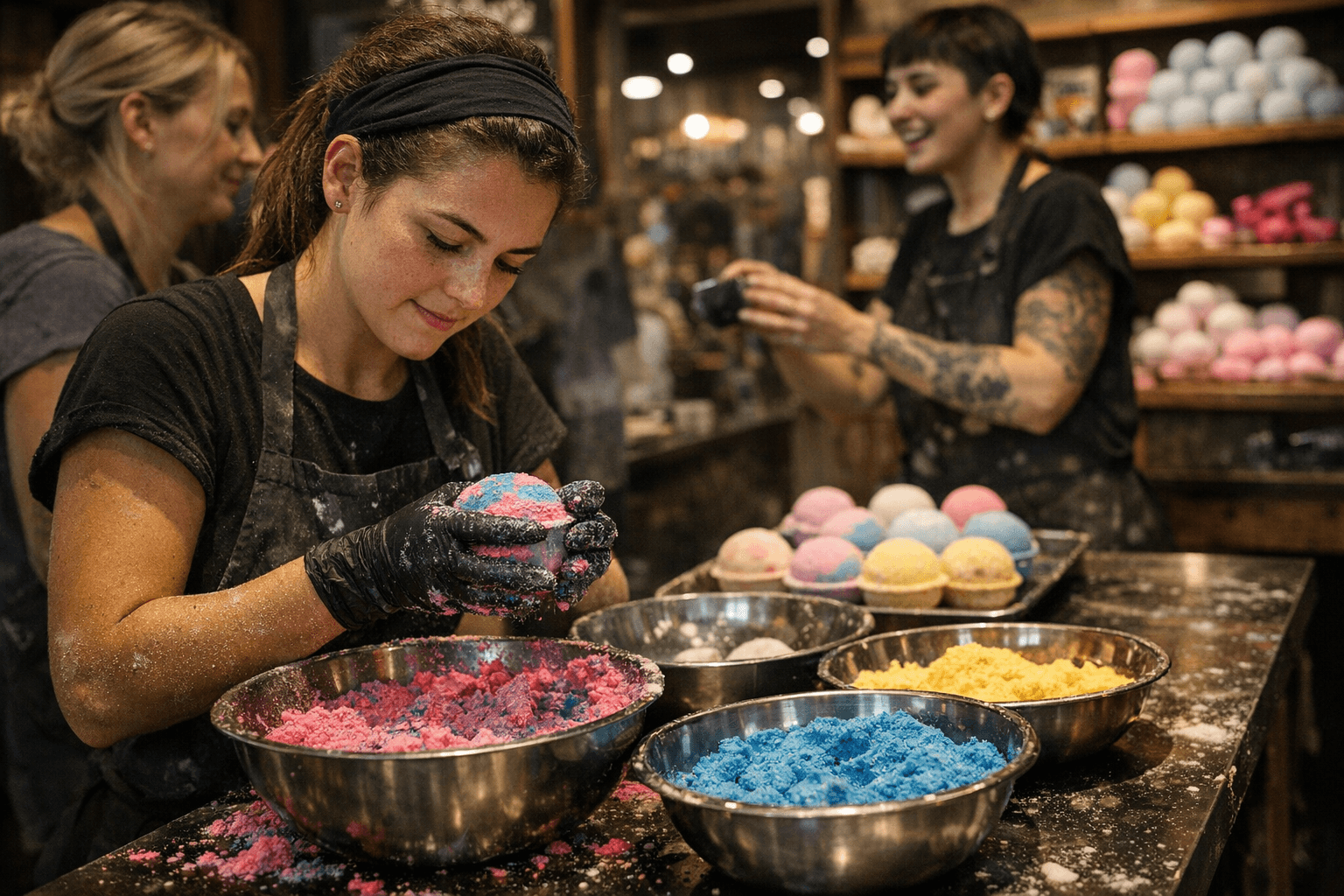
Essential Supplies and Best Practices Checklist for Small-Batch Bath-Bomb Makers
A practical checklist outlines essential supplies and safety practices for small-batch bath-bomb makers, improving product consistency and consumer safety.
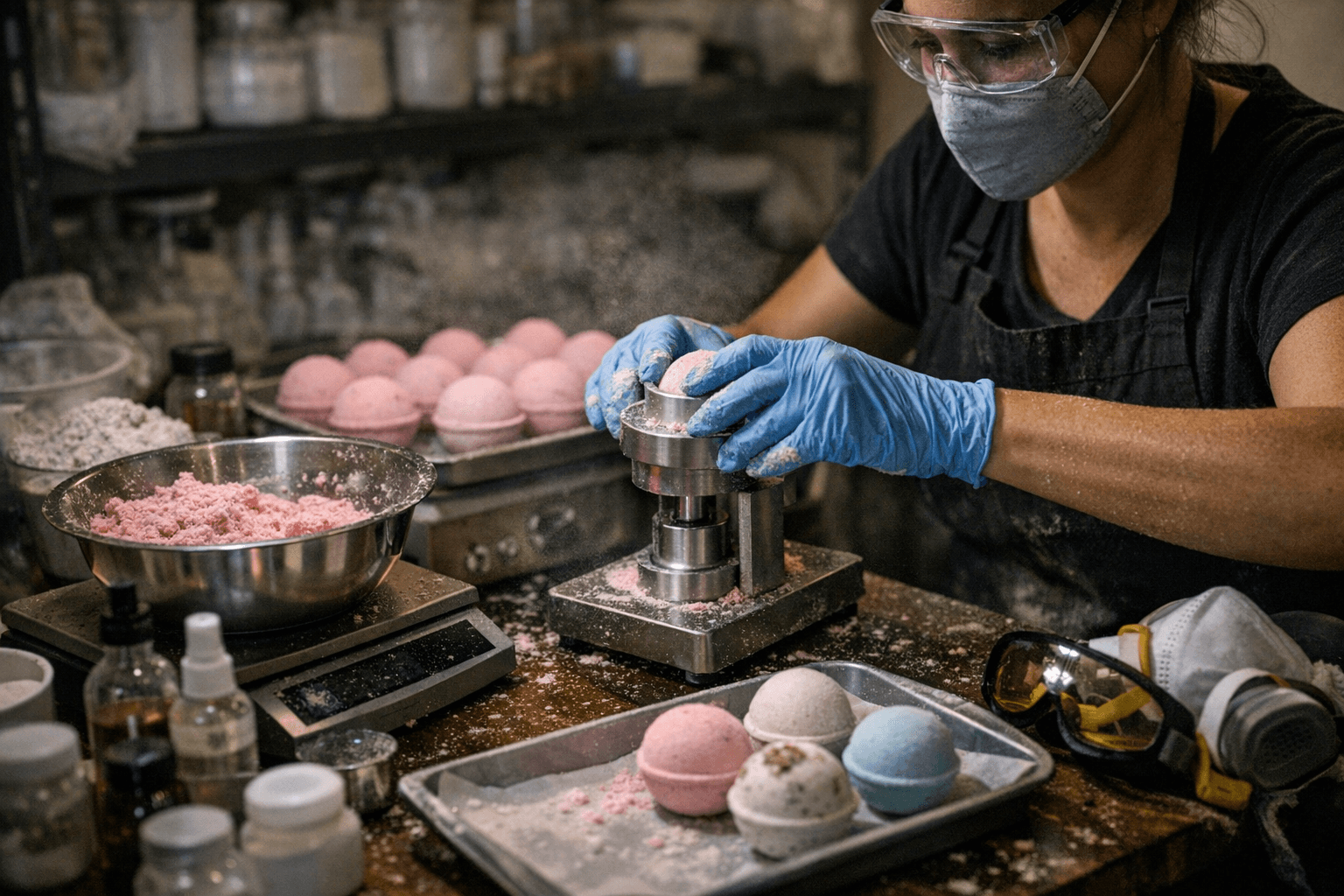
Consistent fizz and safe skin contact start with the right kit. For hobbyists and small-batch producers, a compact, well-selected array of tools and ingredients makes the difference between a reliable product and a batch that cracks, crumbles, or irritates customers.
An accurate kitchen scale with 0.1-1 g precision is the foundation; measurements at that level keep sodium bicarbonate and citric acid ratios steady and help control fragrance dilution. Two-part metal or plastic bath-bomb molds plus silicone novelty molds provide shape options and durable repeatability. Cosmetic-grade citric acid and USP/cosmetic-grade sodium bicarbonate are non-negotiable for skin-safe fizz and predictable reactions. Cosmetic colorants such as mica and FD&C lakes can deliver stable color where permitted, and skin-safe glitter with biodegradable alternatives reduces microplastic concerns while keeping sparkle.
Carrier oils and conditioning agents contribute to texture and skin feel. Fractionated coconut oil, sweet almond oil, and shea butter are commonly used to counter dryness. Clays such as kaolin and salts like Epsom and sea salt add heft, scent carry, and bathing benefits. Fragrances must be chosen for skin application: fragrance oils labelled for topical use or pure essential oils applied at safe dilution rates protect users and limit allergic responses.
Basic shop gear affects safety and finish. Mixing bowls, spatulas, gloves, and dust masks help avoid inhaling powders and cross-contamination. Airtight storage containers maintain product stability in low-humidity conditions; humidity is a frequent culprit when bombs soften or prematurely fizz. Labeling supplies are essential for ingredient transparency and compliance. Silicone or foam liners for shipping protect fragile shapes during transit and reduce returns from damaged goods.
Operational best practices are simple and high-impact. Source cosmetic-grade ingredients, keep the workspace low-humidity, and run small test batches whenever introducing a new color or fragrance to confirm scent throw and color bleed. Always include ingredient lists and any required cosmetic disclaimers to inform customers and limit liability. For shipping, cushion bombs individually and use liners to preserve appearance and effervescence.
As you assemble your kit, prioritize safety-grade ingredients and basic PPE to avoid powder inhalation and skin reactions. Follow the checklist to nail the fizz every time, protect customers, and streamline small-batch production; consistent supplies and disciplined testing turn creative ideas into sellable products.
Know something we missed? Have a correction or additional information?
Submit a Tip