Essential Tennis Gear Guide for Hamptons Year-Round Play
This guide walks you through choosing and caring for tennis gear built for the Hamptons’ mix of Har-Tru clay, hard courts, wind and sun. You’ll get clear recommendations on racquets, strings, balls, shoes, apparel, accessories, storage, local services, and practical tips to keep you playing comfortably and safely all year.
1. Overview: East End playing conditions and equipment priorities
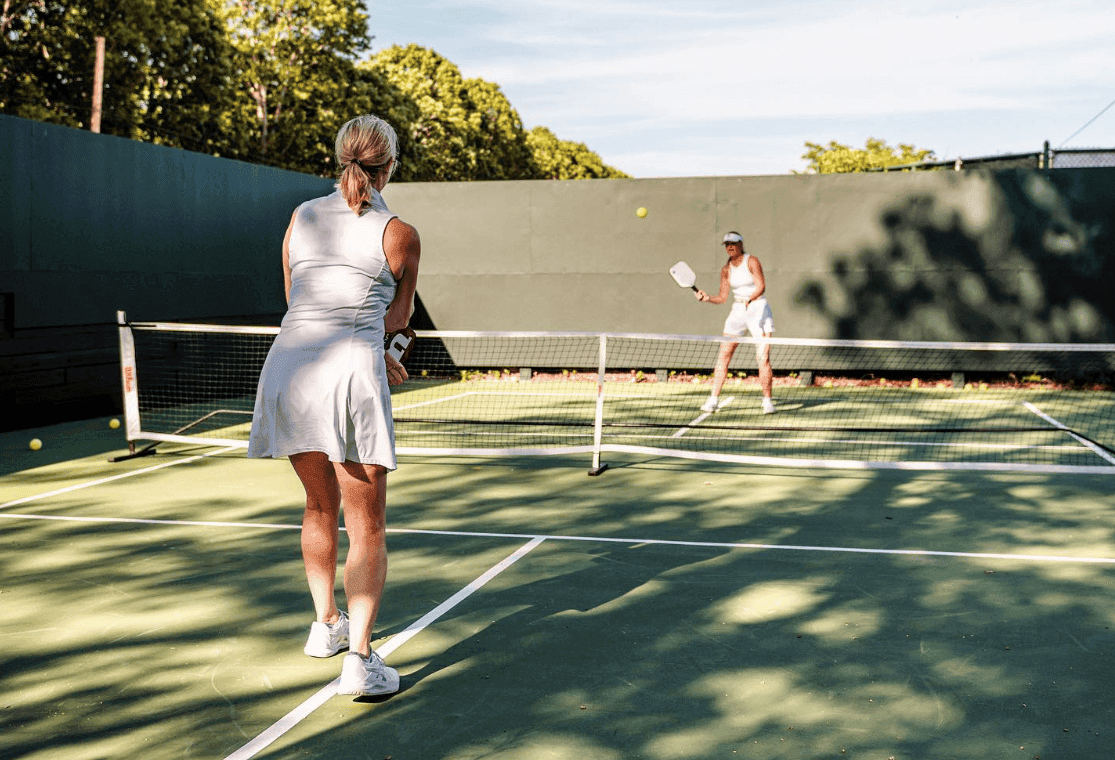
The Hamptons present a unique mix of surfaces, predominantly Har‑Tru (clay) and hard courts, plus brisk coastal wind, bright sun, and salt air that accelerate wear. Prioritize gear that balances maneuverability, protection from the elements, and surface-appropriate traction; durability and easy maintenance are practical musts given seasonal play and travel. Think in terms of adaptable setups: a primary racquet and stringing choice that handles slower clay bounce and a footwear/apparel plan that combats sun and wind.
2. Racquet selection: head size, balance, and weight
For most recreational players, choose a mid‑plus head size (98–104 sq. in.) to combine forgiveness with control. A balanced or slightly head‑light frame makes maneuverability easier at the net and reduces arm strain, while racquet weight guides stability: lighter frames (270–300 g) suit beginners and frequent travelers; heavier frames (300–330 g) add plow‑through and control for stronger hitters. Demo both balance points and weights before committing, the right feel often comes down to swing speed and how much shoulder/elbow load you want.
3. Strings and tension: comfort, control, and surface adjustments
Multifilament or synthetic gut strings strung at a moderate tension (50–56 lbs) provide a comfortable blend of power and control for casual players and are forgiving on the arm. Advanced players will use polyester strings at lower tension to increase spin and reduce shock, but polyester should be chosen with awareness of added joint stress. On slower Har‑Tru courts, slightly lower string tension gives more power and helps the ball sit and bite; keep an equipment log noting string type, tension, and installation date to track performance and avoid surprises mid-season.
4. Balls and freshness: selecting and preserving consistent bounce
Use pressurized balls labeled for outdoor play to match the demands of wind, sun and variable court textures; on Har‑Tru, choose a slightly firmer ball to maintain consistent bounce through the clay’s play characteristics. Keep a fresh can available for match play, fresh pressurized balls feel and bounce predictably, and rotate inventory so older cans are used for practice. Store unopened cans in a cool, climate‑controlled place and consider cold storage for longer‑term preservation; avoid leaving balls in hot car trunks where heat speeds pressure loss.
5. Shoes: match tread and cushioning to court type
Court‑specific shoes are essential: for Har‑Tru (clay), pick shoes with a herringbone tread pattern to promote controlled glide and to shed clay debris efficiently; this reduces the chance of catching and twisting a foot. For hard courts, prioritize cushioning, shock absorption and abrasion‑resistant outsoles to handle the high impact of the surface. Across both surfaces, ensure strong lateral support, a secure heel lockdown, and fit that allows slightly snug toes for windy or long play sessions.
6. Apparel and sun protection: fabrics and sun‑safety basics
Choose breathable, moisture‑wicking fabrics with UV protection to stay comfortable during long daylight hours and reflect sun exposure; light colors help keep you cooler on bright summer days. A wide‑brim hat or visor and sunglasses with UV protection are essential for tracking balls on sunny courts, and sweat‑wicking socks reduce blister risk during extended play. Consider layers for coastal mornings and evenings, quick‑dry outer layers handle wind and the salt air better than cotton.

7. Ancillary gear and practice tools: small items that make big differences
Keep a portable ball hopper or basket on hand to speed up drills and reduce retrieval time; these are standard staples at most East End courts. Pack a vibration dampener if you prefer reduced racquet buzz, a reliable overgrip for moisture control, and a small repair kit with extra grip tape and basic stringing materials for quick fixes. If you want to accelerate progress, consider a ball machine rental or a hitting partner subscription, both are available locally and can add structured repetition without booking court time around another player.
8. Maintenance and storage: protect gear from weather and wear
Store racquets and balls in a climate‑controlled area during winter to avoid humidity damage, warping, or pressure loss; temperature swings in car trunks and attics are common causes of premature failure. Limit exposure to hot car trunks on summer days and avoid prolonged salt‑air contact by wiping down metal fittings and storing gear indoors. Keep an equipment log recording string type, tension, and installation date so you can plan timely restringing and identify how gear performs across seasons.
9. Local services and demo programs: where to test and repair
East End clubs, pro shops, and small local retailers offer restringing services, demo racquets, and seasonal pros who can advise on setup tweaks suited to clay or hard courts. Take advantage of demo programs, many shops and clubs let you test frames and string setups on the court so you can feel differences in bounce and swing weight under real conditions. Pop‑up shops during the season and local pros are excellent community resources for timely recommendations and often run trade‑in or demo days.
10. Practical buying and on‑court habits: steps to smarter purchasing and safer play
1. Demo racquets and string setups under conditions similar to your usual play before purchasing to ensure the feel matches your swing.
2. Keep an equipment log (string type/tension/installation date) and rotate balls so practice doesn’t rely on dead cans.
3. Match footwear to the court surface every time to reduce the risk of injury and improve movement; a clay shoe on hard court or vice versa accelerates wear and increases slip risk.
4. Bring spare overgrips, a water bottle, sunscreen and a small first‑aid kit to every session, the coastal sun and wind can make long sessions deceptively taxing.
Wrap up: Gear choices for the Hamptons should balance comfort, durability, and adaptability. With the right racquet specs, string setup, court‑specific shoes, and sensible storage plus local pro support, you’ll get reliable performance through the seasons and more enjoyable, consistent play on the East End.
Know something we missed? Have a correction or additional information?
Submit a Tip