Essential travel, health and safety guide for Utqiaġvik visitors
Practical guidance for traveling to Utqiaġvik and North Slope communities, highlighting safety, health services, and cultural respect that matter to residents and visitors.
Utqiaġvik and nearby North Slope communities require extra planning for travel, health care and everyday needs because of Arctic weather, limited services and strong subsistence traditions. Flights remain the primary access route year-round; seasonal ice trails and barge service operate only in narrow windows. Confirm flight reservations early, especially around school breaks and community events when demand rises.
Samuel Simmonds Memorial Hospital in Utqiaġvik serves as the regional critical access facility, and the North Slope Borough operates medevac with fixed-wing and helicopter resources for transfers. Residents and visitors should be familiar with local clinic hours and emergency contact numbers. Limited local capacity, high costs and weather-related delays can turn a routine problem into a medical emergency, so bring extra medications, carry a list of health needs, and know how to contact medevac through borough channels.
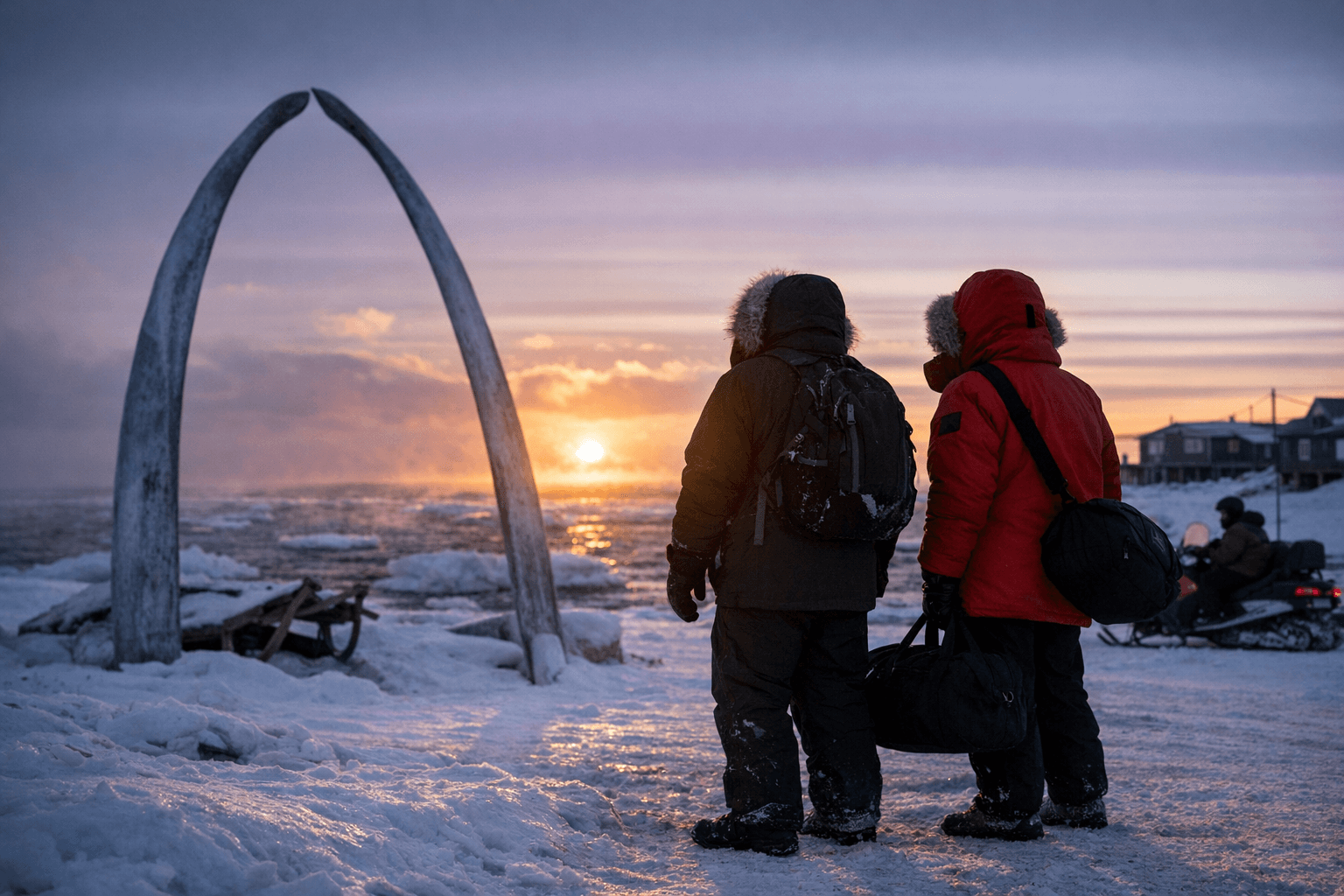
Winter travel brings extreme cold, blowing snow and limited daylight during polar night. Wind chills can make exposed skin susceptible to frostbite within minutes. Dress in layered, windproof outerwear designed for Arctic conditions, and pack goggles, face protection and sturdy boots. Even short exposures on the tundra or over ice can be life-threatening; plan trips to avoid unnecessary exposure and always carry a charged satellite-capable communication device when leaving community roads.
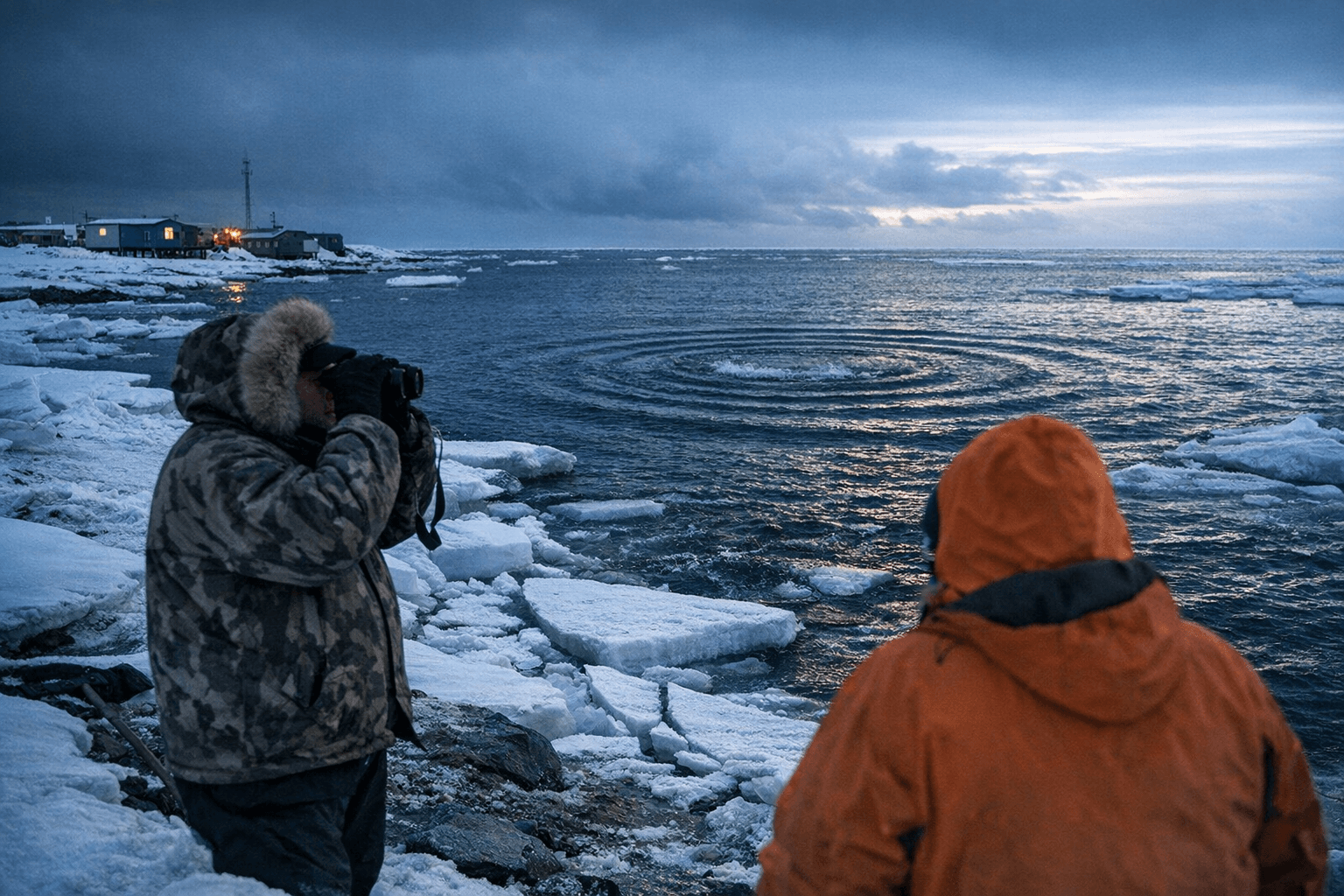
Cultural awareness is essential. Utqiaġvik is home to Iñupiat communities with deep subsistence practices, including hunting, whaling and sharing marine mammal harvests. Respect local protocols around hunting seasons and subsistence activities. Ask permission before photographing people or cultural items, follow hosts’ guidance at homes and events, and be mindful that community gatherings may revolve around grief, celebration or resource sharing.
Logistics and costs differ sharply from urban Alaska. Grocery and retail options are limited, prices are higher and shipping or fuel deliveries can be constrained by weather and seasonal logistics. Broadband and redundant communications may be limited at times; have contingency plans for connectivity and check operator advisories. If you plan tundra or over-ice travel, go with an experienced local guide and file travel plans so search and rescue or medevac teams can respond quickly if needed.
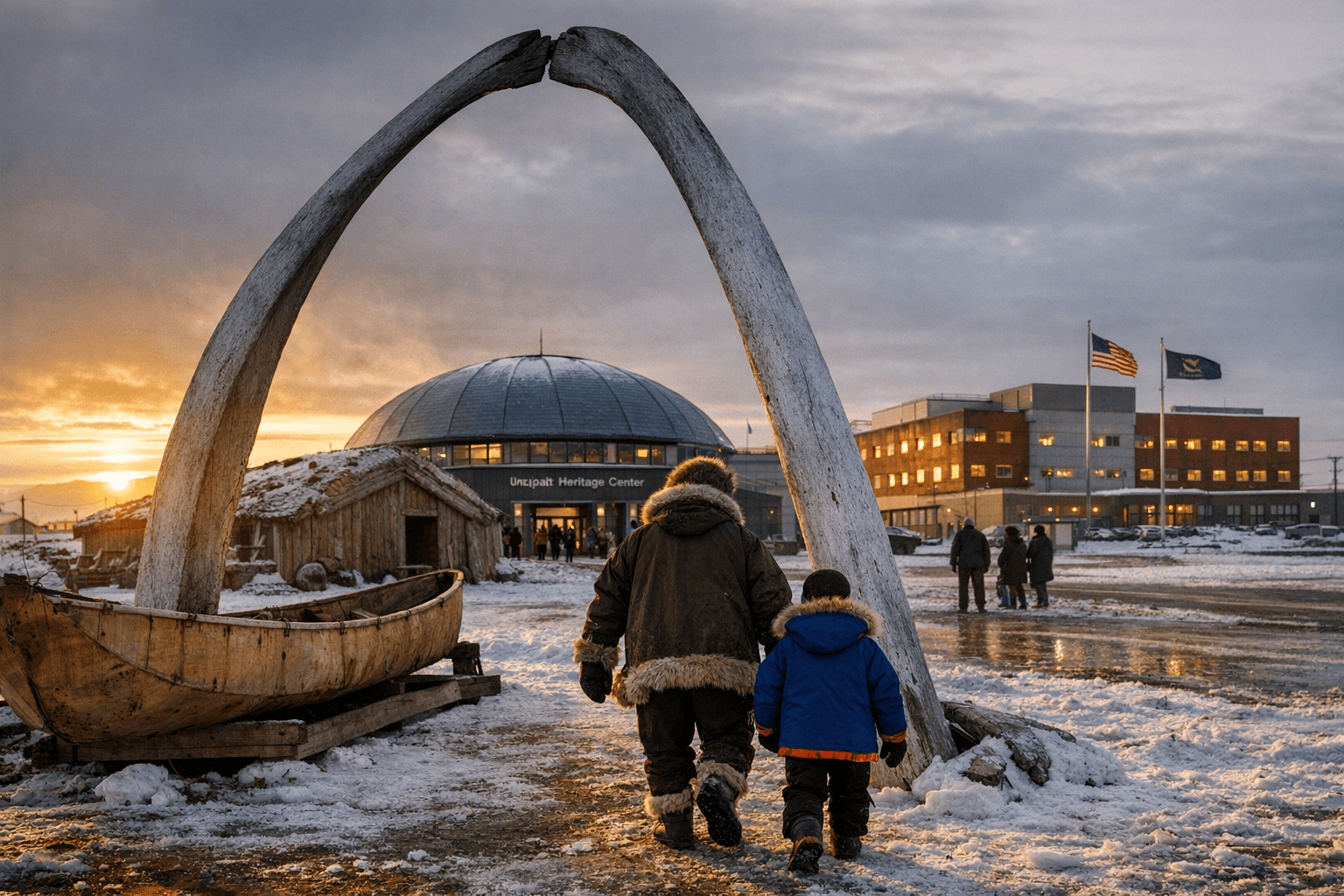
Local institutions such as the Iñupiat Heritage Center and community school events offer meaningful cultural exchange, but visitors should attend with humility and respect. Community sports and celebrations are social lifelines here; participating respectfully can strengthen ties but requires sensitivity to local rhythms.
The takeaway? Prepare more than you think: confirm flights and clinic hours, pack Arctic-rated clothing and extra meds, carry satellite communication, file a travel plan and honor Iñupiat protocols. Our two cents? Treat Utqiaġvik like home you are visiting with care, plan ahead, stay connected and show respect.
Know something we missed? Have a correction or additional information?
Submit a Tip