Essential Tuna Trip Checklist: Safety, Tackle, and Tournament Rules
I assembled a concise reference to help anglers prepare for tuna trips and tournaments, covering pre-trip planning, boat and safety checks, tackle selection, electronics, fighting and release procedures, and post-trip handling. Following these practical steps will improve safety, increase catch-and-release survival, and ensure tournament compliance.
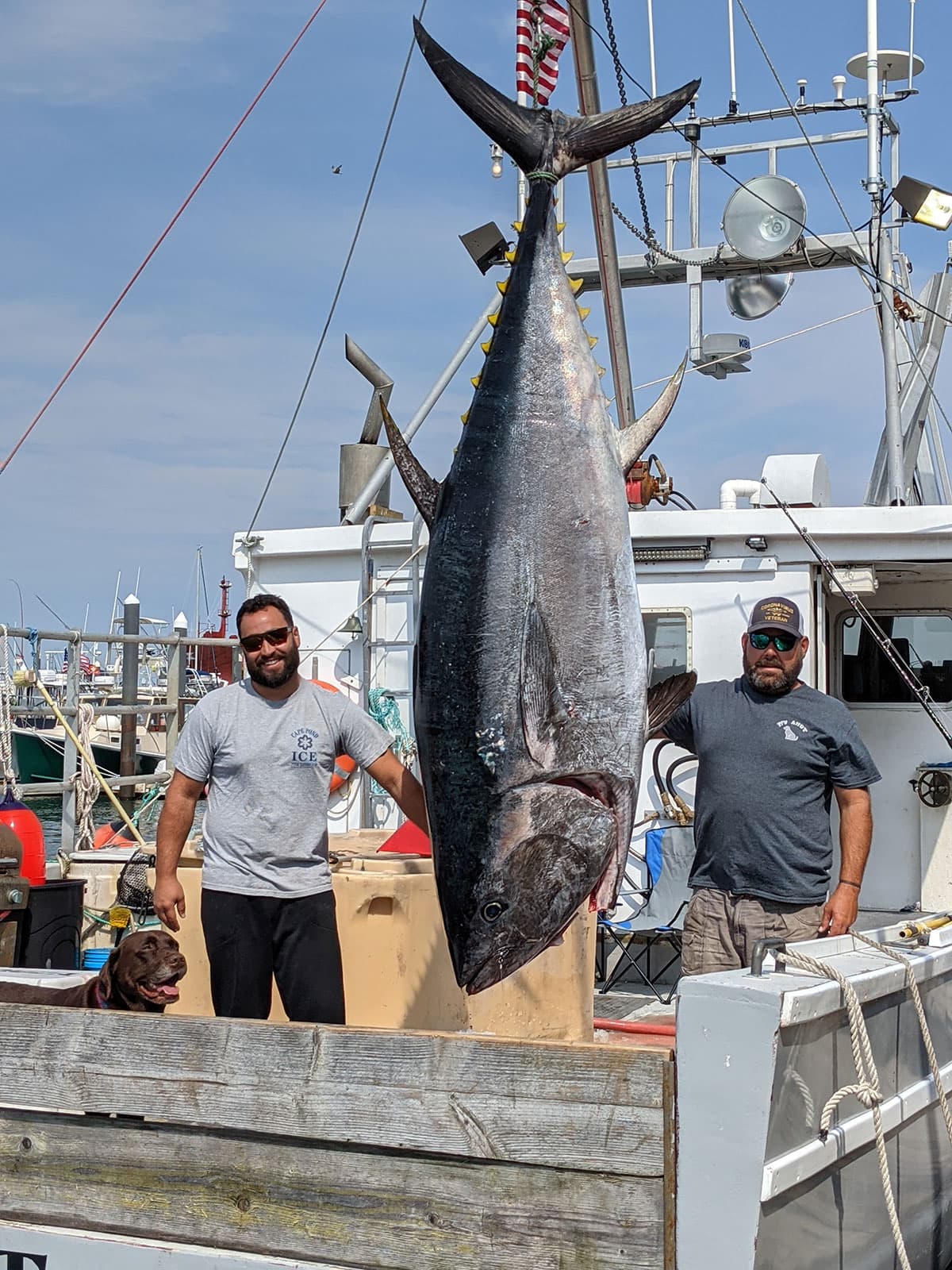
Preparing for a tuna outing or tournament starts long before the lines hit the water. Verify weather and tide/current forecasts, secure necessary permits, and lay out an ice and fish-handling plan. Assign clear crew roles and review tournament rules, weigh-in protocols, single-grip handling requirements, photo and measurement standards, and any logbook or captain’s disclaimer obligations so there are no surprises at the dock.
Onboard safety and redundancy matter. Check bilge pumps, life jackets, EPIRB, and the VHF with DSC and AIS capability. Carry engine spares, maintain proper fuel margins, and keep an emergency medical kit accessible. An EPIRB and a functioning DSC radio are non-negotiable on offshore trips; confirm battery dates and fixed-mount antenna connections before departure.
Tackle must match the target species. For typical yellowfin in the 20–50 lb class, outfit rods of 6–8 feet rated PE2–4 or conventional 50–80 class reels, spool 30–50 lb braid with 40–80 lb fluorocarbon leaders. For jumbo yellowfin or bluefin and other big game, use 80–130 lb braid with 200–400 lb monofilament or nylon shock leaders, or 130–200 lb fluorocarbon; choose stand-up or hybrid rods with strong backbone and fast actions and leverage lever-drag, two-speed, or high-capacity conventional reels with at least 40–60 kg drag capability.
Match lures and baits to behavior. Use cedar plugs, stickbaits, and poppers for surface bust-ups and topwater strikes. Carry 6–10 inch live baits such as mackerel or sardina on circle hooks for chunking, popping, and trolling. Employ skirted cedar plugs in a trolling spread and vary patterns to find what the fish prefer on any given day.
Rigging and leader connections are critical for both performance and fish survival. Use the improved clinch for lighter rigs, the FG knot for braid-to-leader connections, and double uni or Albright knots for heavy leaders. Consider inline swivels versus loop connections to manage shock absorption; select the method that best suits leader material and the species’ fighting style.
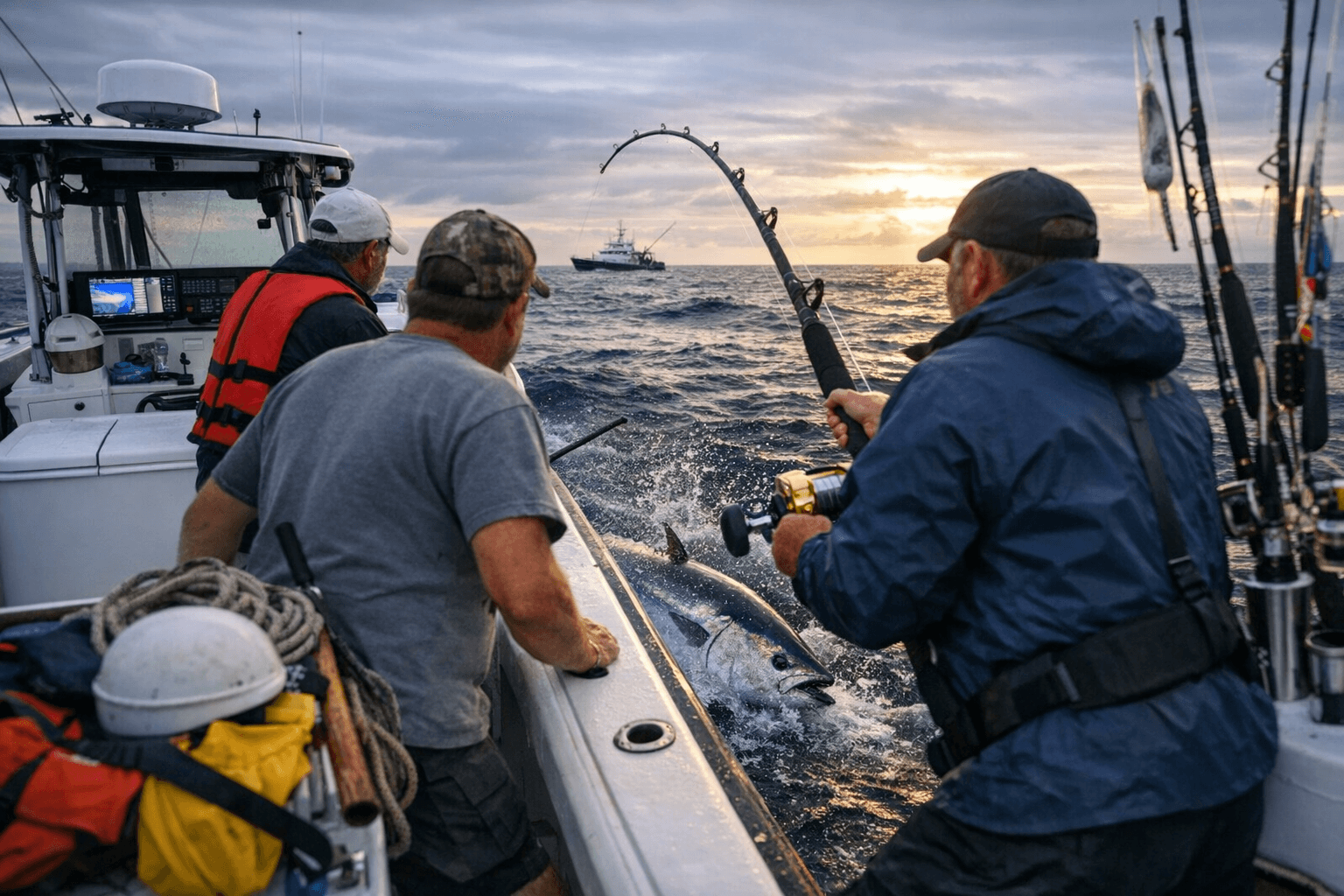
Electronics speed locating productive water. Use CHIRP sonar to detect structure and thermoclines, and learn to read temperature breaks, color lines, and weedlines where tuna aggregate. Downriggers and planer boards can expand coverage; keep charts and AIS running and monitor VHF traffic.
On the water, set drag properly, manage boat handling to reduce leader abrasion, and carry dehooking tools, lip-grips or a cradle for safe handling and quick-release procedures. If releasing, revive the fish in the water and avoid excessive cutting of leaders to preserve traceability. After landing, employ rapid bleed-and-ice techniques for table-quality tuna, vacuum-pack when possible, and label catches for traceability while respecting quota and regulation paperwork.
Finally, check a concise printable checklist before leaving the dock: gear, spares, safety items, bait, documentation, and contingency supplies. Adapt gear and procedures to local rules and the species you expect to encounter to make each tuna trip safer, cleaner, and more successful.
Know something we missed? Have a correction or additional information?
Submit a Tip