EU approves €76 million German aid for semiconductor facility in Munich
Brussels backed QuantumDiamonds with €76 million for a Munich chip-testing plant, a small subsidy that signals a much bigger push for Europe’s tech sovereignty.
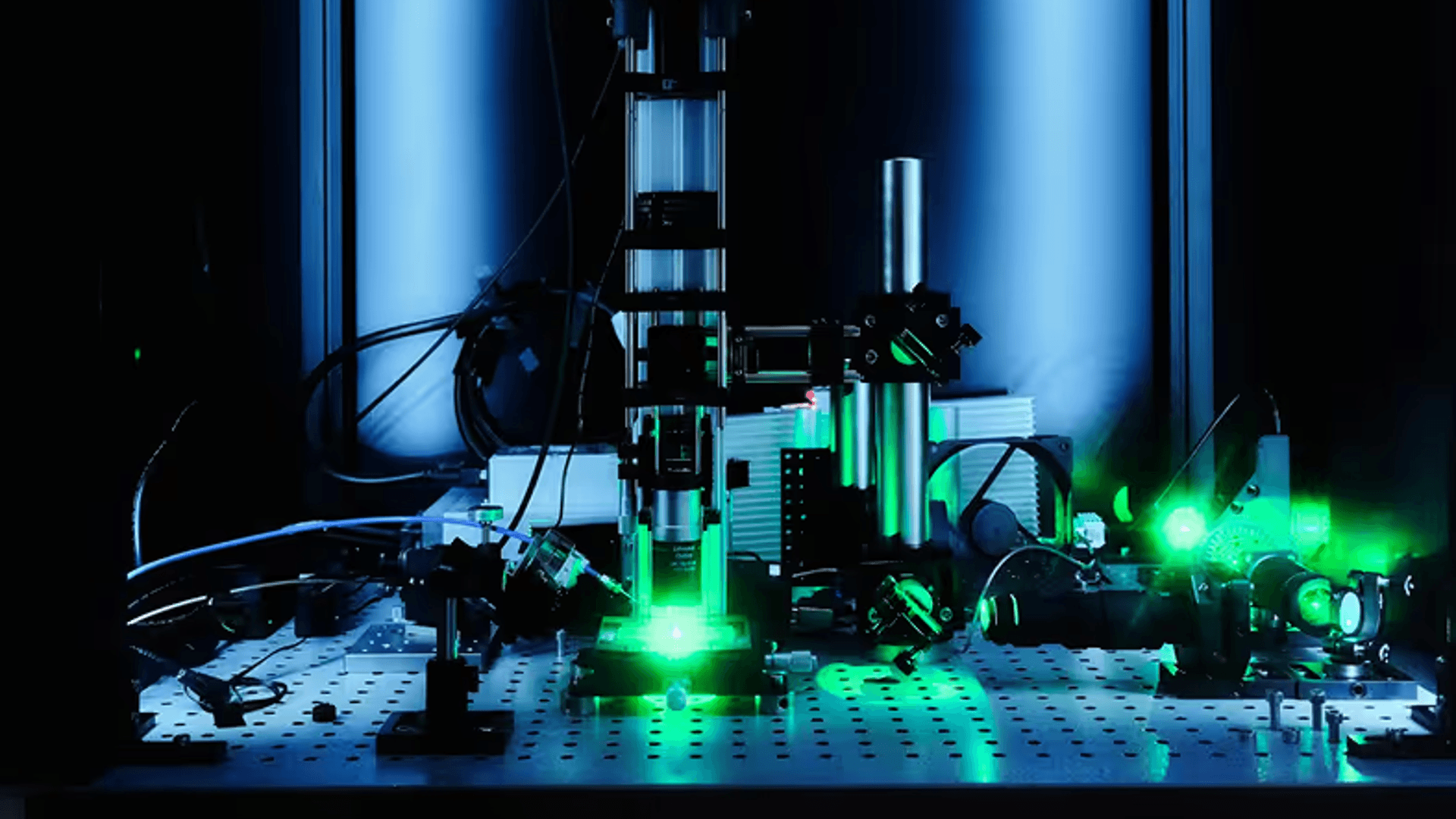
Brussels approved €76 million in German state aid for QuantumDiamonds GmbH, clearing the way for a semiconductor testing facility in Munich and adding another public-backed building block to Europe’s chip strategy. The decision matters less for its size than for what it reveals: the European Union is trying to push beyond research and into the industrial infrastructure needed to test, validate and keep more of the chip supply chain at home.
The aid package fits neatly with the European Commission’s broader technological sovereignty drive. On June 3, the Commission presented a package covering semiconductors, artificial intelligence, cloud, open source and digitalisation in the energy sector, including a revised Chips Act 2.0 and a Cloud and AI Development Act. The policy goal is explicit: strengthen EU capacity in strategic technologies and cut dependence on outside suppliers, especially in areas dominated by U.S. tech giants.
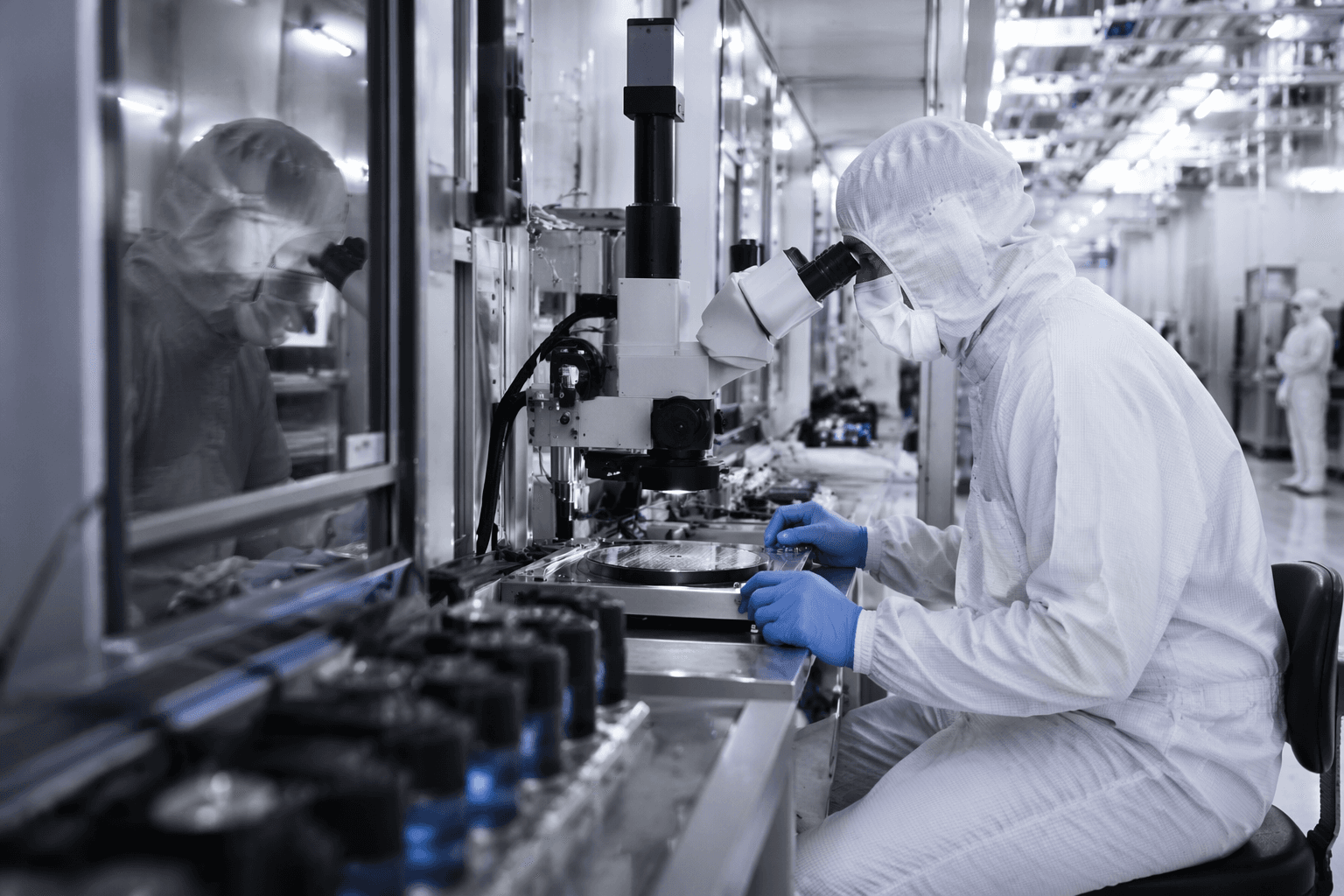
QuantumDiamonds has positioned the Munich project as a major industrial bet. The company announced on December 15, 2025 that it planned to invest €152 million in what it called the world’s first production facility for advanced chip testing systems. Germany Trade & Invest said roughly half of the plant’s cost would be covered by the German federal government and the Bavarian state government under the European Chips Act. The same account said the start-up had already tested its procedures with nine of the world’s largest semiconductor manufacturers, including TSMC and Samsung, and hoped to generate annual turnover of €10 billion to €20 billion.
The Commission said QuantumDiamonds would work with small and medium-sized enterprises, universities and research institutions, a sign that the project is meant to do more than serve a single factory floor. That wider network matters in Europe’s industrial strategy race. If Munich becomes a hub for testing systems, it could help stitch together links between labs, suppliers and manufacturers at a time when policymakers are trying to close the gap in high-end semiconductor capabilities.
The Munich aid also follows a broader pattern of state support for chips in Germany. On May 20, the Commission approved €288 million in German state aid for two other semiconductor supply-chain facilities, including projects by Carl Zeiss in Oberkochen and Zadient Materials Europe GmbH in Bitterfeld. Taken together, the decisions show Brussels leaning harder on public capital to build resilience, even if the sums remain modest beside the scale of global chip investment. For Europe, the test is whether these targeted subsidies can evolve into a durable industrial base, or whether they remain symbolic moves in a market still set by larger players.
This article was produced by Prism’s automated news system from verified source data, official records, and press releases, then run through automated quality and moderation checks before publishing. The system is built and supervised by the people who set the standards it runs under. Read our full AI policy.
Know something we missed? Have a correction or additional information?
Submit a Tip