EU bans destruction of unsold clothes to curb fashion waste
The EU’s new ban forces brands to reuse, donate, resell or recycle unsold clothes and shoes instead of destroying them. Brussels says 4% to 9% of unsold textiles are trashed.
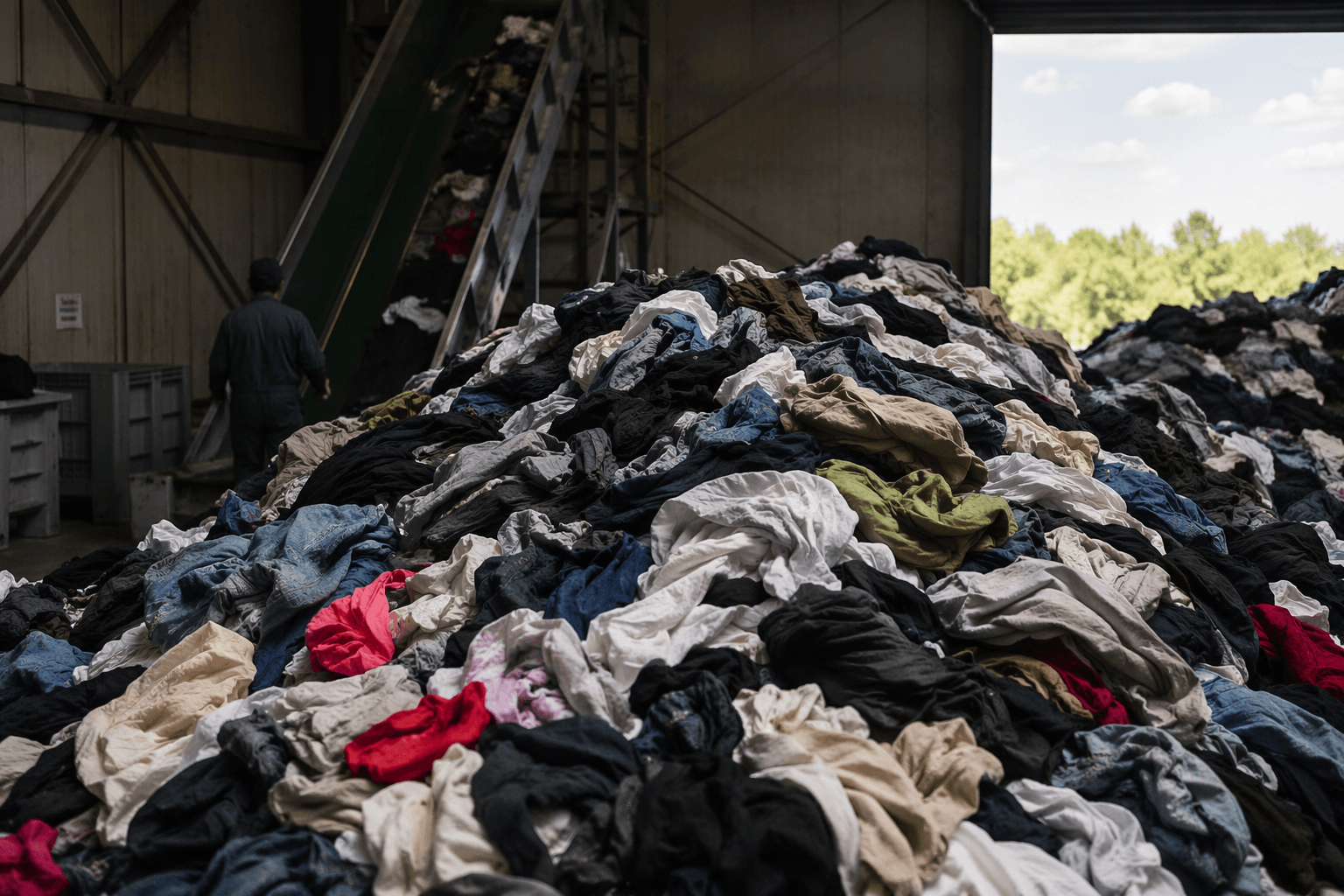
The European Union’s ban on destroying unsold clothes and shoes took effect on 19 July 2026, forcing medium and large fashion companies to treat excess inventory as a cost to manage, not stock to burn or bury. Adopted by the European Commission in February 2026 under the Ecodesign for Sustainable Products Regulation, the rule is part of a wider push to make products sustainable across their full lifecycle.
Brussels has put hard numbers on the waste it wants to stop. The Commission says around 4% to 9% of unsold textiles in Europe are destroyed before being worn, and that the waste generates about 5.6 million tonnes of carbon dioxide each year. It has also said millions of brand-new clothes and shoes are destroyed before use, a practice that has long let fast-fashion chains clear warehouse space while avoiding the visible cost of overproduction.
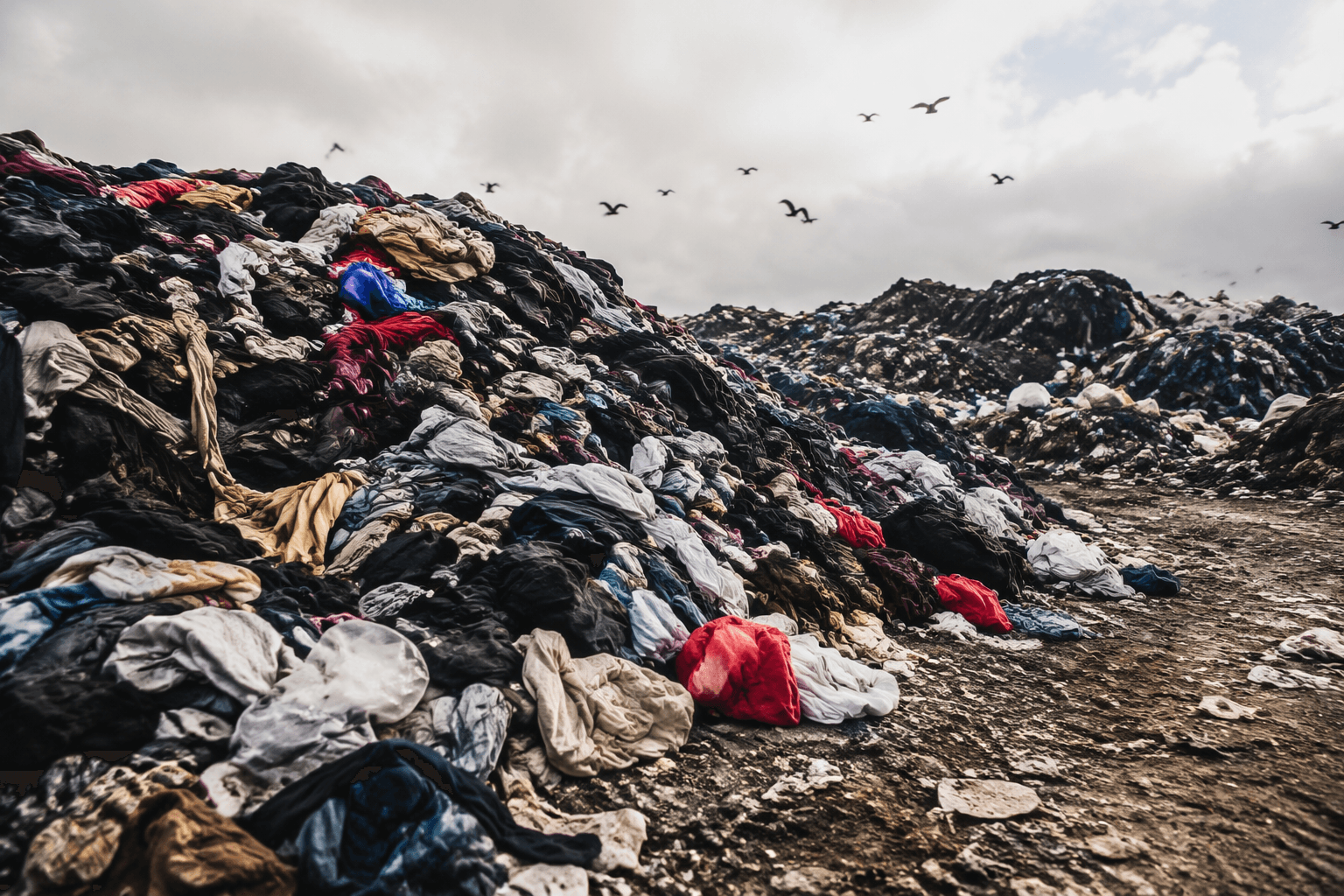
The new rules apply to clothes and shoes, including apparel, clothing accessories and footwear, with narrow exemptions for goods that are unsafe, damaged or otherwise unusable. Instead of destruction, companies are being pushed toward reuse, donation, resale, repair and recycling, along with better demand forecasting and tighter inventory management. That shift matters because the cheapest way to dispose of surplus stock is no longer available to the biggest players operating across the European market.
Retailers and manufacturers are likely to bear the first hit. Handling unsold garments through donation channels, outlet sales, repairs or fiber recycling costs more than writing them off, and the policy is designed to make that expense unavoidable for firms that overproduce. Industry and legal advisers warned after the February adoption that large retail groups and fashion brands would need to update compliance systems quickly to track what happens to unsold goods.
The measure also fits into the European Union’s broader circular-economy agenda, which is increasingly focused on what happens after products fail to sell. Because major apparel brands often standardize sourcing and inventory systems across regions, the rule could ripple beyond Europe and add pressure on U.S. regulators and companies to confront the same question Brussels has now answered: who pays for fashion waste, and what happens when destruction is no longer an option?
This article was produced by Prism’s automated news system from verified source data, official records, and press releases, then run through automated quality and moderation checks before publishing. The system is built and supervised by the people who set the standards it runs under. Read our full AI policy.
Did this article answer your question?