EU lawmakers open final talks on digital euro launch plan
EU lawmakers opened final digital euro talks as officials pushed a 2029 launch path, with privacy, bank limits and consumer demand still unresolved.
European Parliament negotiators, EU governments and the European Commission opened final talks on the digital euro plan on Monday, setting up a year-end push for legislation that would decide whether the euro area gets a central bank digital currency by the end of the decade. The European Central Bank wants the legal framework in place in 2026 so it can run a 12-month pilot in the second half of 2027 and be ready for a possible first issuance during 2029.
The project is meant to solve a specific gap in Europe’s payments system. The digital euro would be a digital form of cash issued by the ECB, available to everyone in the euro area, and designed to work online, offline, in shops and person to person. Unlike bank deposits, which sit on commercial-bank balance sheets, it would be central bank money held in a wallet or app. It would be free for consumers and would complement banknotes and coins rather than replacing them.
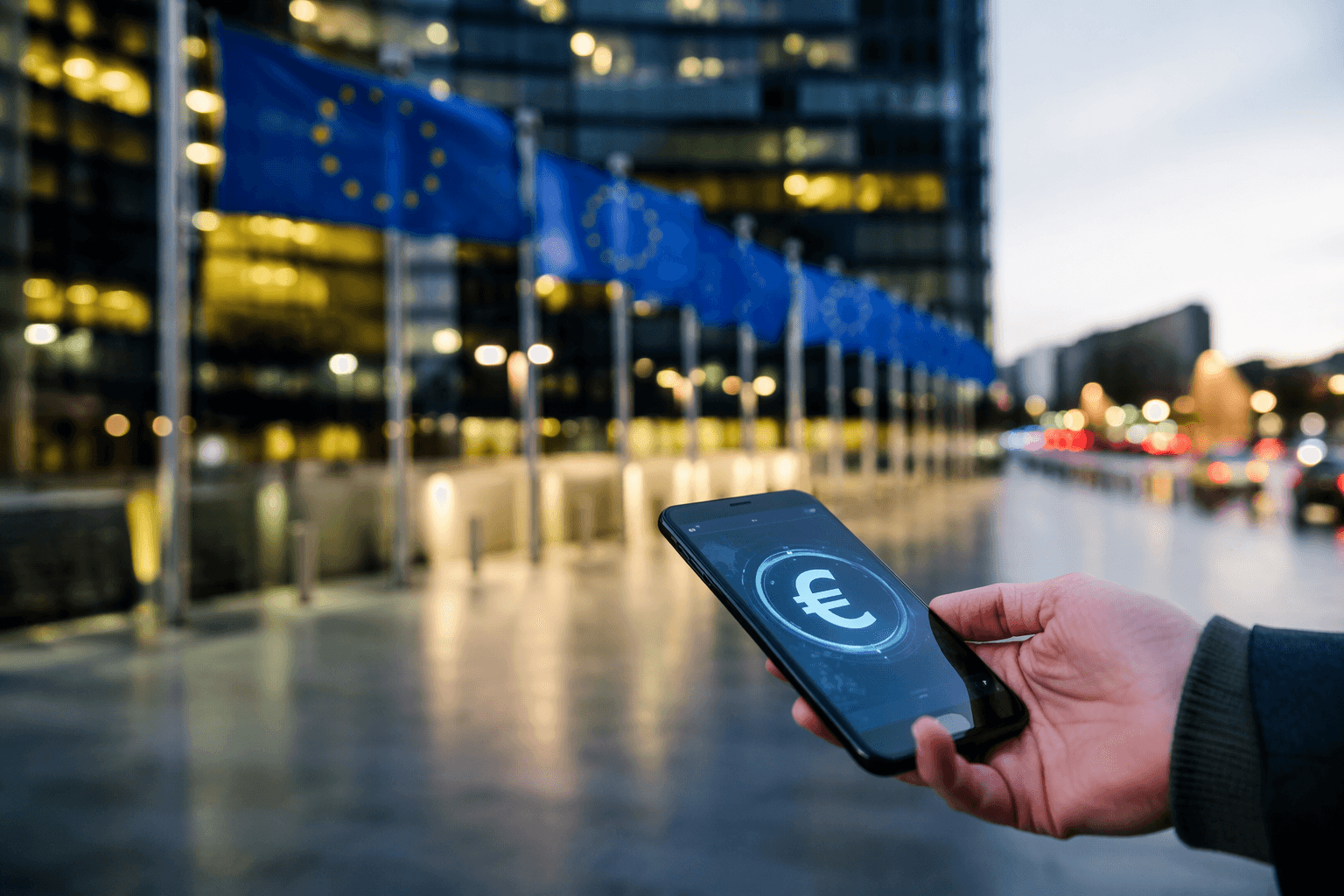
Offline payments would have cash-like privacy, with only the payer and recipient knowing the details, and the ECB would not be able to identify who people are or what they buy from payment data. At the same time, a holding limit would likely be needed to prevent large withdrawals from bank accounts and protect financial stability. ECB technical work has discussed hypothetical caps up to €3,000 per person, and EU ministers agreed political guidance in September 2025 on the framework for setting that ceiling and deciding on eventual issuance.
Europe currently lacks a single digital payment option that covers the whole euro area and still relies heavily on international card networks for card payments. A public alternative to Visa, Mastercard and PayPal would strengthen monetary sovereignty and reduce dependence on non-European infrastructure. In a 2026 ECB speech, small merchants in Italy can pay up to four times more for card payments than larger merchants.
The Eurosystem has said it would bear the costs of the scheme and infrastructure, much as it does for euro banknotes, while the broader single currency package also ties the digital euro to legal tender rules for cash and the continued use of banknotes and coins across the euro area.
This article was produced by Prism’s automated news system from verified source data, official records, and press releases, then run through automated quality and moderation checks before publishing. The system is built and supervised by the people who set the standards it runs under. Read our full AI policy.
Did this article answer your question?