EU leaders ask Ireland to propose new funding sources by October
EU leaders tapped Ireland to sketch new revenue by October as the next budget fight pits defense and industry spending against resistance to higher national contributions.
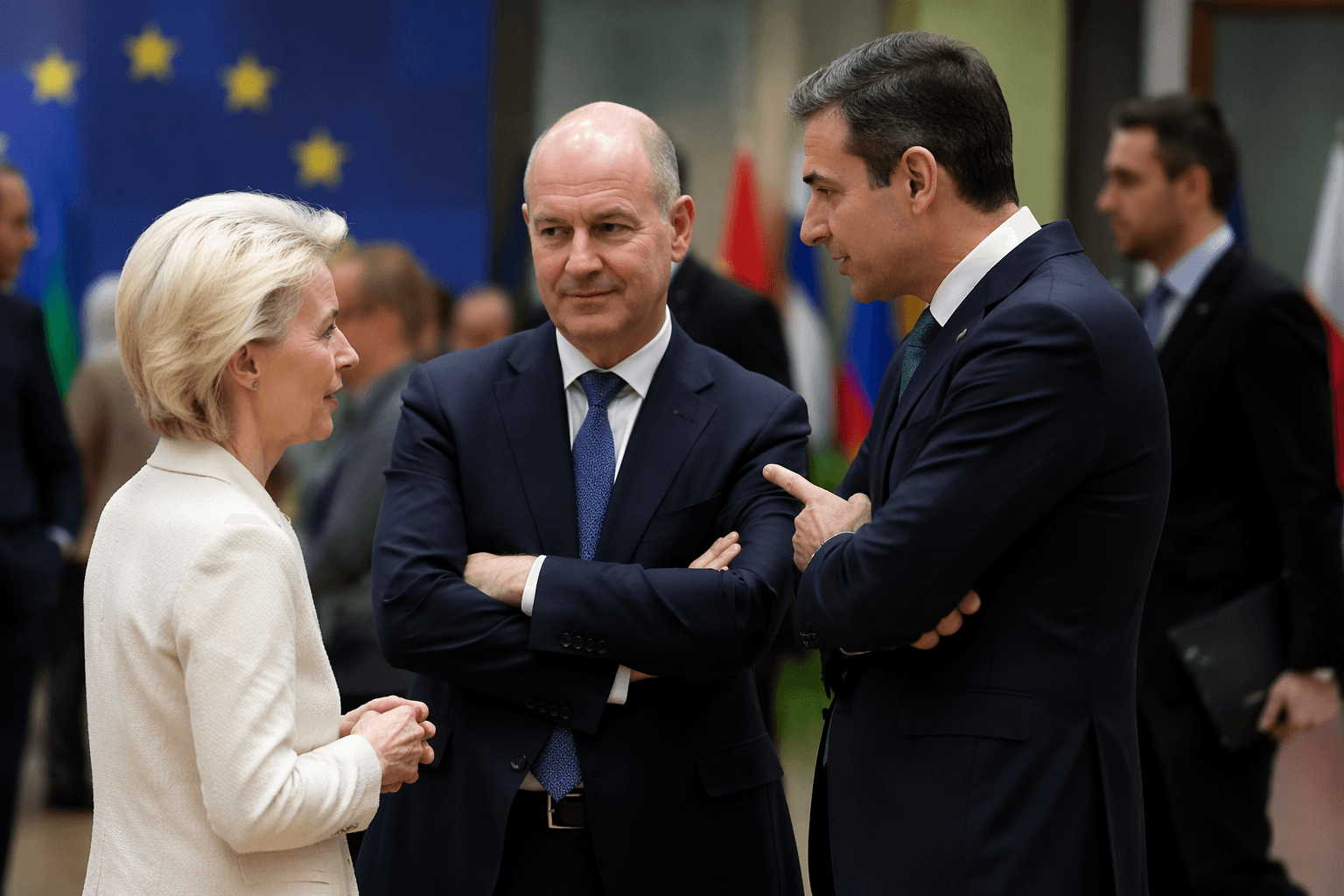
EU leaders have put Ireland on the clock: by October, Dublin is expected to bring forward new ways to raise money for the bloc’s 2028-2034 budget, intensifying a fight over who pays for Europe’s next round of defense, climate and industrial policy. The dispute sits at the center of a financial package that funds farms, student exchanges, technology, migration and internal security across the 27-member union.
Ireland will take over the rotating presidency of the Council of the European Union from 1 July to 31 December 2026, placing it in a pivotal role when the next phase of negotiations begins. That timing gives Irish officials leverage, but also forces them to manage a budget battle in which every camp has something to lose and every government has a veto.
The European Commission first set out the long-term budget on 16 July 2025, proposing almost €2 trillion, or 1.26% of EU gross national income on average over the seven-year period. It completed the package on 3 September 2025 with additional sectoral proposals. The Commission also pushed stronger funding for migration, border management and internal security, underlining how many competing priorities now have to fit inside the same envelope.

The European Parliament has already drawn its own line in the sand. In April 2026, lawmakers adopted their negotiating position by 370 votes to 201, with 84 abstentions, backing a budget equal to 1.27% of EU GNI and insisting that repayment of NextGenerationEU debt stay outside the budget ceilings. Parliament also called for protection of cohesion policy and agriculture, while increasing spending on defense and competitiveness.
The core political split is unchanged from previous budget rounds. Richer member states contribute more than they receive, while poorer states rely more heavily on EU funds. That leaves both sides with leverage in a process that must be agreed unanimously, turning the seven-year budget into a high-stakes bargaining contest over every euro.
For now, the debate over “new own EU resources” is really a debate over whether Brussels can broaden its revenue base without forcing national treasuries to pay more. The Commission’s own-resources package is meant to diversify income and help repay debt from NextGenerationEU, but the shape of any new charges or shared revenue streams remains politically sensitive. A smaller budget, such as the 2% cut previously floated under the Cypriot presidency, has already failed to satisfy either the countries pressing for restraint or the governments defending spending commitments.
What happens next will reverberate far beyond Brussels. The final deal will help determine how much Europe can spend on rearmament, industrial competitiveness and climate-related investment, while also shaping the balance between U.S. trade pressure, European security priorities and the long-running fight over whether the union should rely more on shared revenue or national contributions.
This article was produced by Prism’s automated news system from verified source data, official records, and press releases, then run through automated quality and moderation checks before publishing. The system is built and supervised by the people who set the standards it runs under. Read our full AI policy.
Did this article answer your question?