EU Parliament backs digital euro to cut US card dependence
A key EU committee backed the digital euro, pushing Europe closer to a state-backed wallet meant to weaken Visa and Mastercard’s grip. The next fight is over privacy, bank deposits and holding limits.

A European Parliament committee backed the digital euro on June 23. The next steps are a plenary vote in Parliament and talks with the European Council and the European Commission, with supporters still hoping for final approval by the end of the year.
The European Central Bank began the project with its October 2020 report on a digital euro, launched the formal work nine months later, ran an investigation phase from October 2021 to October 2023, and started a two-year preparation phase on November 1, 2023. Under the ECB’s current timeline, a 12-month pilot would begin in the second half of 2027 if legislation is in place during 2026, and the central bank aims to be ready for a potential first issuance in 2029.
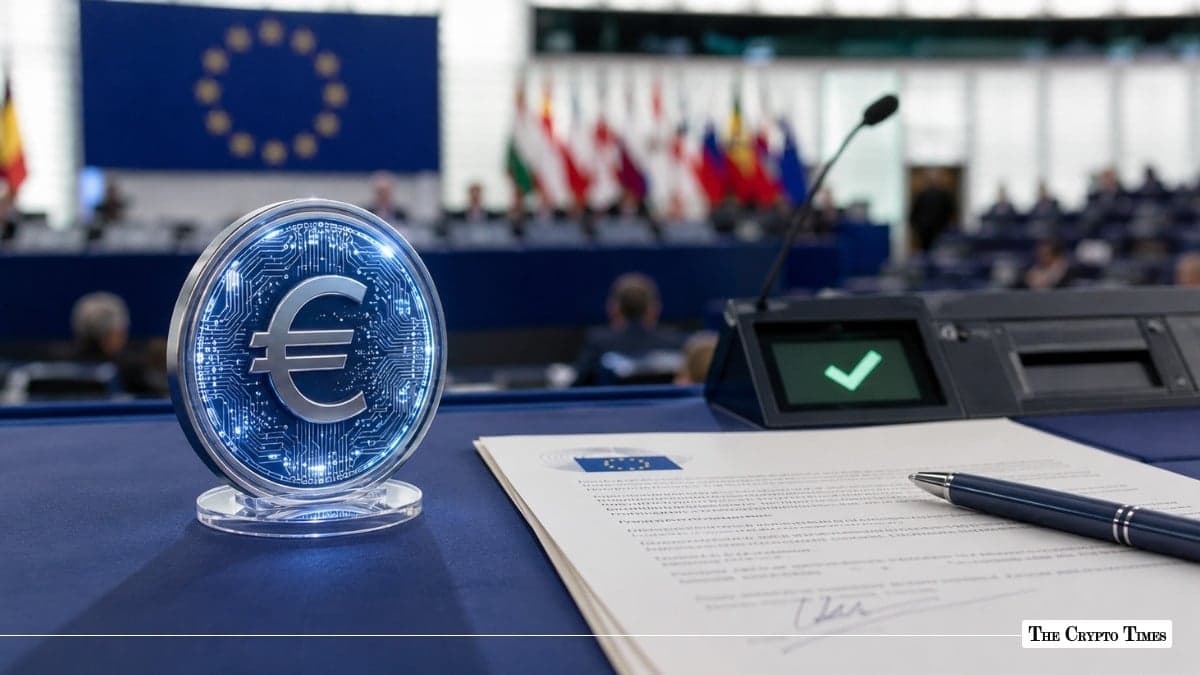
At its core, the digital euro would function as a digital form of cash, available to everyone in the euro area and usable online and in person. Offline payments would preserve cash-like privacy because only the payer and recipient would know the transaction details. Online payments would still run through payment service providers, keeping banks and fintech firms in the distribution chain.

Holding limits, no remuneration and an automatic reverse waterfall back into bank accounts are intended to prevent large outflows from commercial lenders. Parliament’s economic committee added its own guardrails, including a rule that businesses could not hold digital euros except temporarily to accumulate incoming payments for up to 24 hours, and a ban on interest, positive or negative.
The European Commission proposed the digital euro legislative package on June 28, 2023, as part of a broader effort to preserve access to cash while creating a legal framework for a possible public digital currency. ECB executive board member Piero Cipollone has called the project an investment in European autonomy, monetary sovereignty and financial resilience, while also promising a more competitive retail payments market.
The United States has been blocked by Donald Trump from issuing a digital currency. China is already piloting a digital yuan at scale, while India and Brazil have also run trials and Britain remains in research mode.
This article was produced by Prism’s automated news system from verified source data, official records, and press releases, then run through automated quality and moderation checks before publishing. The system is built and supervised by the people who set the standards it runs under. Read our full AI policy.
Know something we missed? Have a correction or additional information?
Submit a Tip