EU proposes sweeping ban on maritime services for Russian crude
European Commission proposes broad sanctions including a shipping services ban to squeeze Moscow’s oil revenues and curb alternative payment channels.
The European Commission unveiled a wide-ranging sanctions proposal on Feb. 6 aimed at further cutting Moscow’s revenues from energy and trade by targeting the services that underpin seaborne crude exports. The headline measure would bar maritime and shipping services that support Russian crude shipments, a move the Commission said is designed to “slash further Russia’s energy revenues and make it more difficult to find buyers for its oil,” as President Ursula von der Leyen put it in Brussels.
The package, described by some outlets as the EU’s 20th set of measures, would also tighten restrictions on Russia’s banking system and its ability to develop alternative payment channels. “This is Russia’s weak point, and we are pressing hard on it,” von der Leyen said, framing the financial squeeze as central to depriving Moscow of funds to sustain the war in Ukraine. The Commission signalled it wants member-state endorsement by Feb. 23, the eve of the war’s fourth anniversary, though officials cautioned that final agreement often takes weeks and that the EU’s 27 national envoys would begin discussing the proposals the following Monday.
Beyond shipping and finance, the draft measures extend export and import controls. The Commission proposes blocking exports of rubber, tractors and cybersecurity services to Russia, and would ban imports of metals, chemicals and critical minerals not already under sanctions. Von der Leyen said those import curbs amount to roughly €570 million in value, according to Euronews reporting. The plan would also set a quota on ammonia used in fertiliser and, for the first time, trigger the EU’s Anti‑Circumvention Tool to restrict sales of computer numerical control machines and radios to countries judged at high risk of re-export to Russia, a detail reported by Euronews.
Energy policy and maritime law intersect sharply in the proposed shipping ban. The Commission intends the measure to be coordinated with G7 partners, with von der Leyen urging implementation alongside like-minded states after a G7 decision. The move explicitly targets vessels in the so-called “shadow fleet” that obscure provenance and ownership to carry Russian oil; von der Leyen said dozens more ships operating in that shadow fleet should be targeted. That raises difficult legal and diplomatic questions about enforcement, flag states, insurance and port services, and will require close cooperation with international maritime regulators and key trading partners.
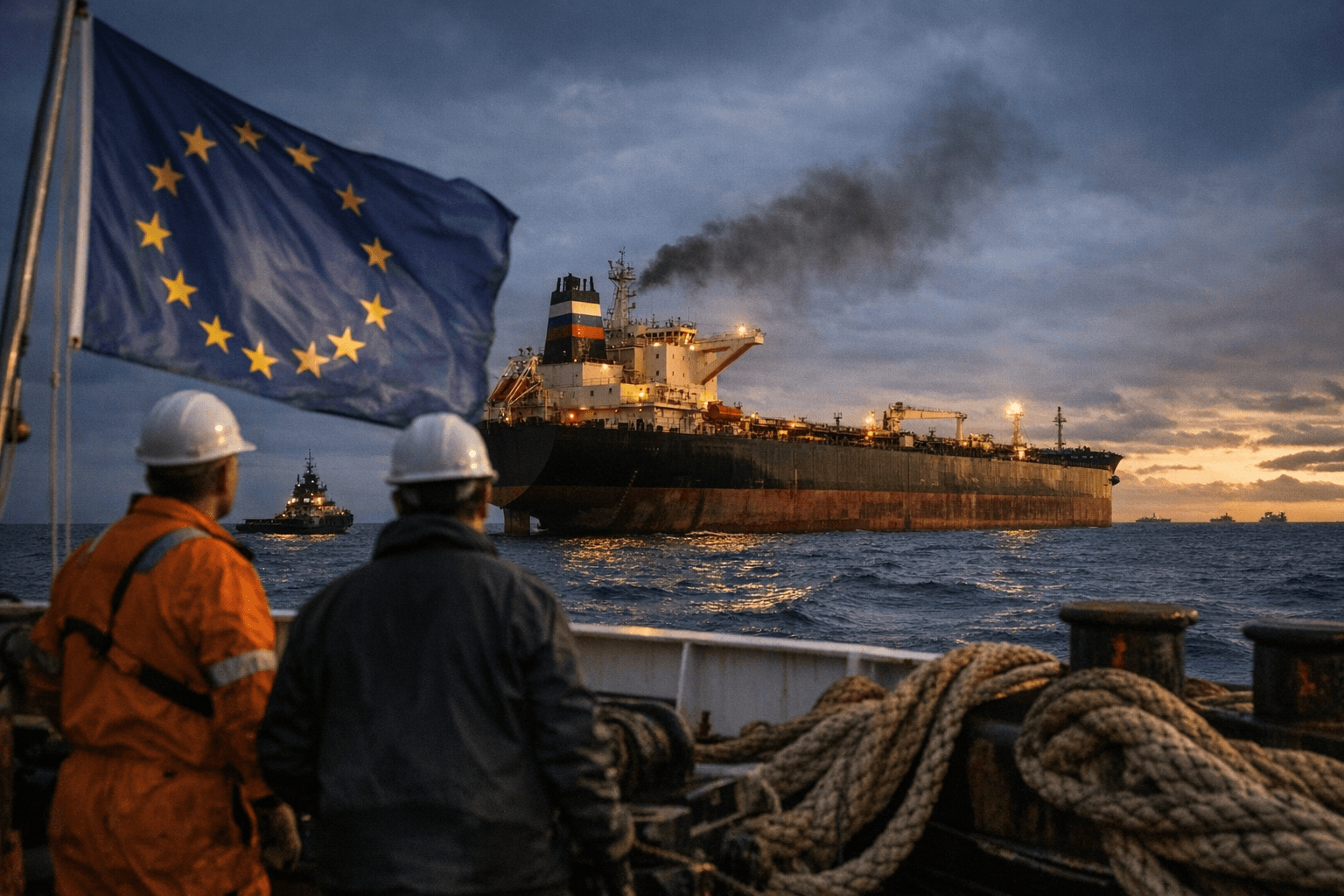
Analysts and outlets have already flagged likely secondary effects. Economic Times warned that the ban could undercut the G7’s existing price cap mechanism and disrupt buying patterns in major importers such as India and China, a potential headache for EU diplomacy that Brussels acknowledges must be managed through allied coordination.
The Commission cast the proposal as part of sustained pressure on the Kremlin, saying that coercion, not appeasement, is the means to elicit genuine negotiation. “We must be clear-eyed: Russia will only come to the table with genuine intent if it is pressured to do so,” von der Leyen said, adding broader moral urgency to the legal and economic measures. With member states set to weigh in over the coming weeks, the outcome will test European unity, transatlantic coordination and the limits of sanctions as instruments of international law and geopolitical leverage.
This article was produced by Prism’s automated news system from verified source data, official records, and press releases, then run through automated quality and moderation checks before publishing. The system is built and supervised by the people who set the standards it runs under. Read our full AI policy.
Did this article answer your question?