EU weighs tougher China import curbs as trade deficit widens
Europe’s trade deficit with China hit €304.5 billion in 2024, sharpening pressure for new curbs as Beijing warns of retaliation.
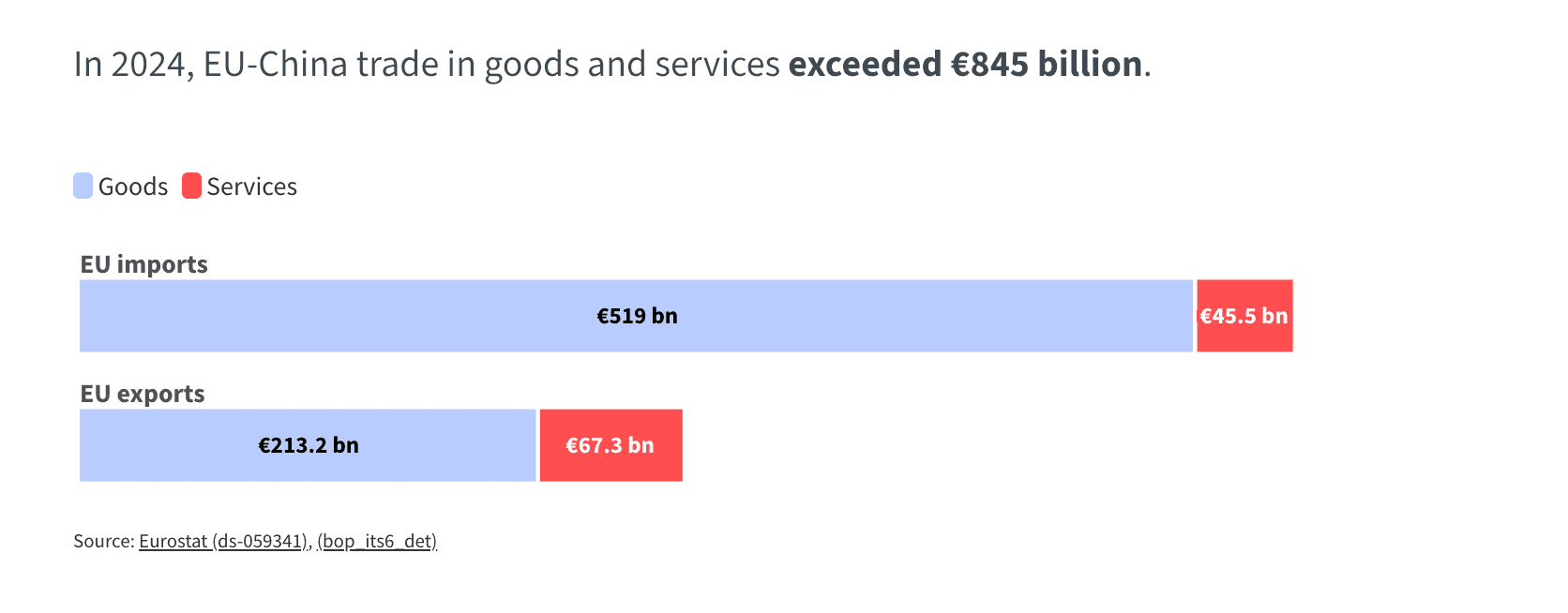
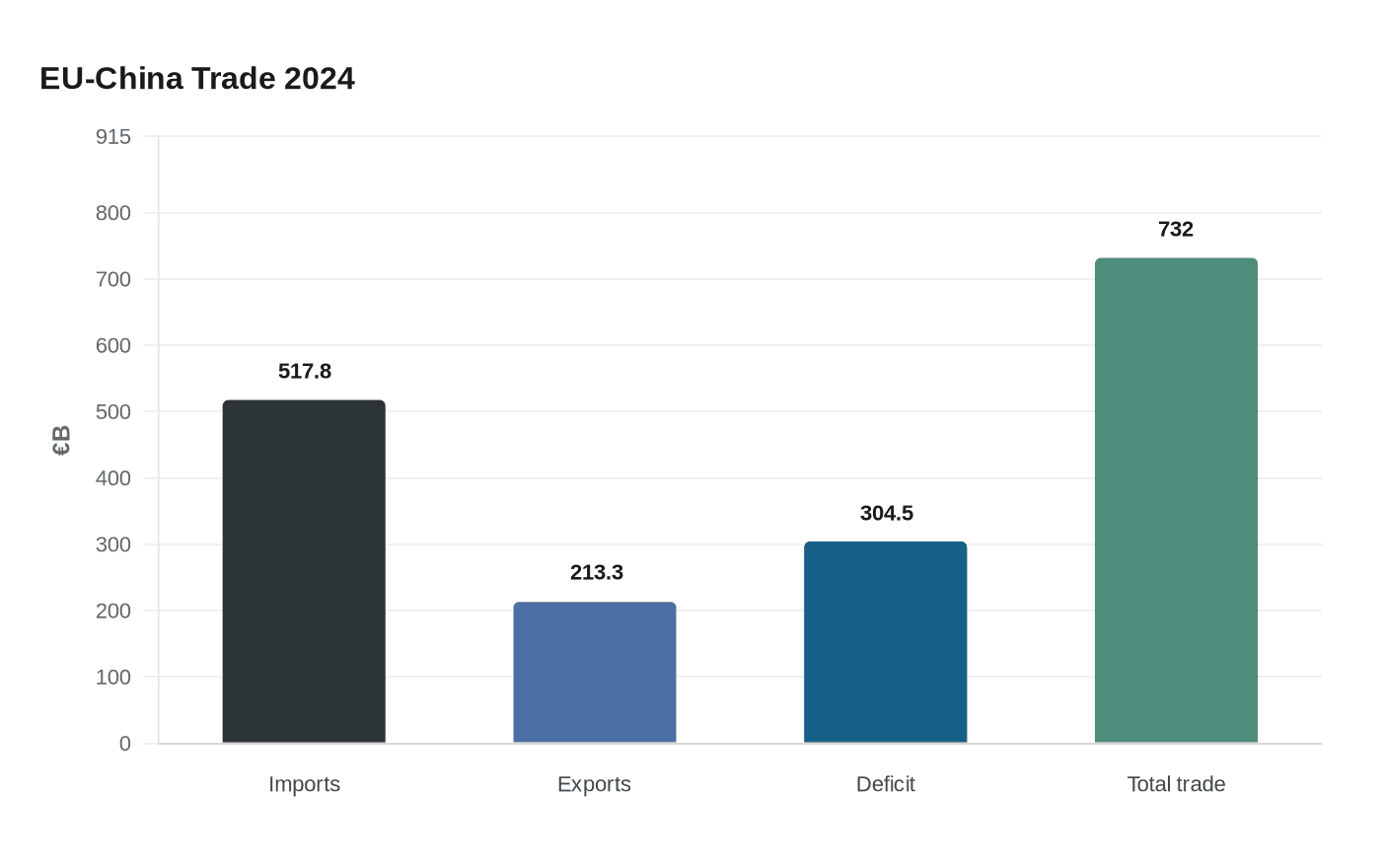
Europe’s scramble to rein in Chinese imports is accelerating as cheap goods pour into the continent and the trade gap with Beijing keeps widening. In 2024, the European Union imported €517.8 billion in goods from China and exported €213.3 billion, leaving a deficit of €304.5 billion and underscoring how exposed Europe has become to Chinese manufacturing power.
The scale of the imbalance has made China impossible to ignore in Brussels. Eurostat says EU imports from China rose 101.9% between 2014 and 2024, while exports climbed 47.0% over the same period. The European Commission says bilateral EU-China goods trade reached €732 billion in 2024, making China the EU’s second-largest trading partner for goods after the United States. China was also the bloc’s largest source of imports and its third-largest export market for goods.
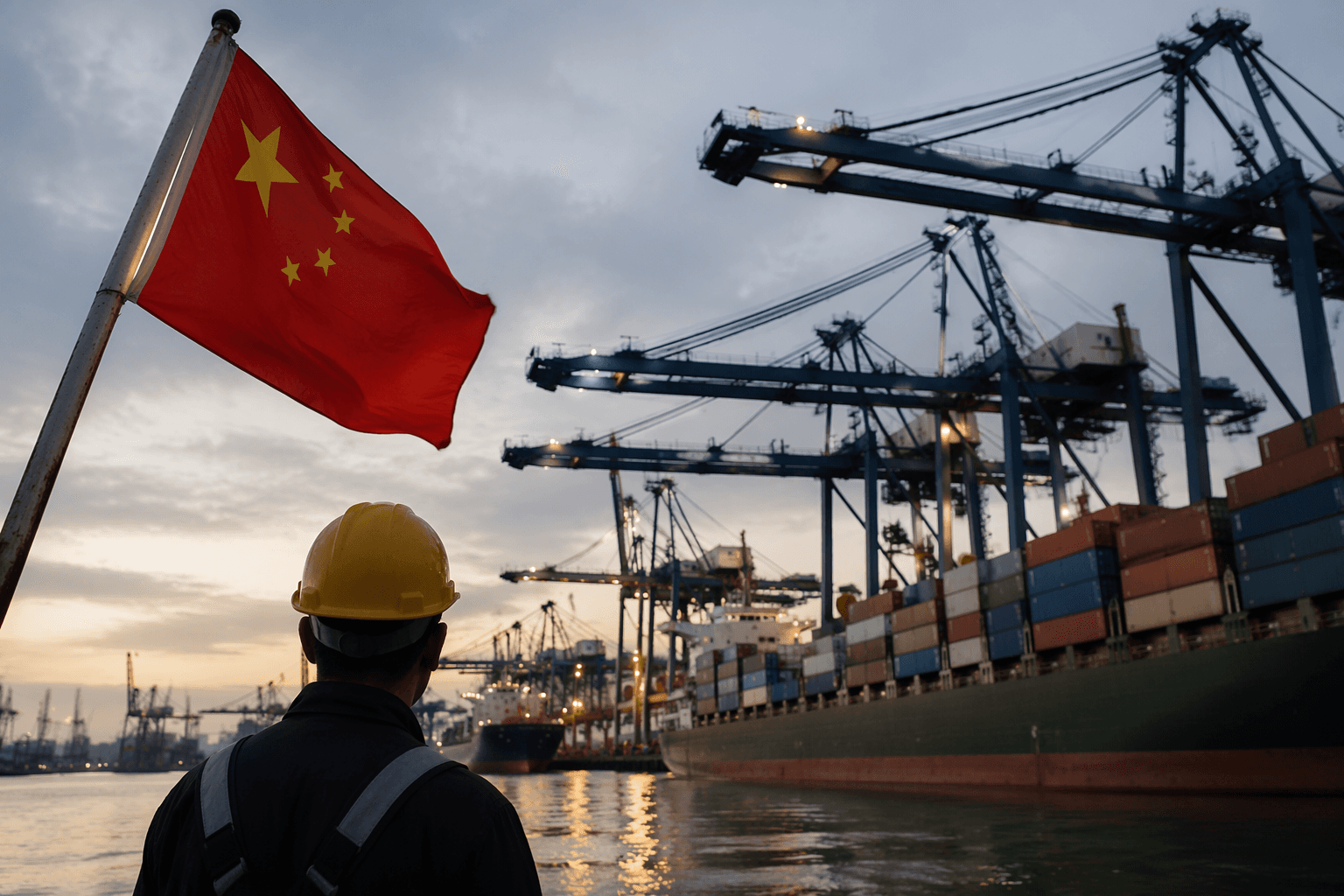
The most visible sign of Europe’s harder line came on 29 October 2024, when the European Commission imposed definitive countervailing duties on battery electric vehicles from China for five years. The Commission said China’s BEV value chain benefited from unfair government subsidies that threatened injury to EU producers. That decision put Brussels on a more confrontational path, one that increasingly resembles Washington’s willingness to use trade remedies against Chinese industrial policy.
Yet Europe has not settled on tariffs alone. EU and Chinese officials have also explored minimum-price arrangements for Chinese-made EVs as an alternative, reflecting the fears of some European automakers that a wider trade war could damage access to China, still a crucial market for the sector. The stakes reach far beyond cars. European officials have worried that pressure on Chinese EVs could trigger retaliation against exports such as cognac, dairy and pork, widening the conflict into industries with deep political and regional significance.
China has rejected the European case for tougher curbs. On 28 May 2026, Reuters reported Beijing accusing the EU of using trade data selectively to justify broader quotas and tariffs, while warning of a response. That warning highlights the central dilemma facing Brussels: it can move closer to Washington’s tougher trade posture, or try to carve out a distinct relationship with Beijing, but it is increasingly hard to do both while deindustrialization fears mount at home.
This article was produced by Prism’s automated news system from verified source data, official records, and press releases, then run through automated quality and moderation checks before publishing. The system is built and supervised by the people who set the standards it runs under. Read our full AI policy.
Did this article answer your question?