Europe heat could wipe out EU growth in 2026, Reuters reports
Triodos Bank warned record heat and drought could wipe out most of the EU's 2026 growth, with some estimates putting the hit at 1% of GDP and 180 billion euros.
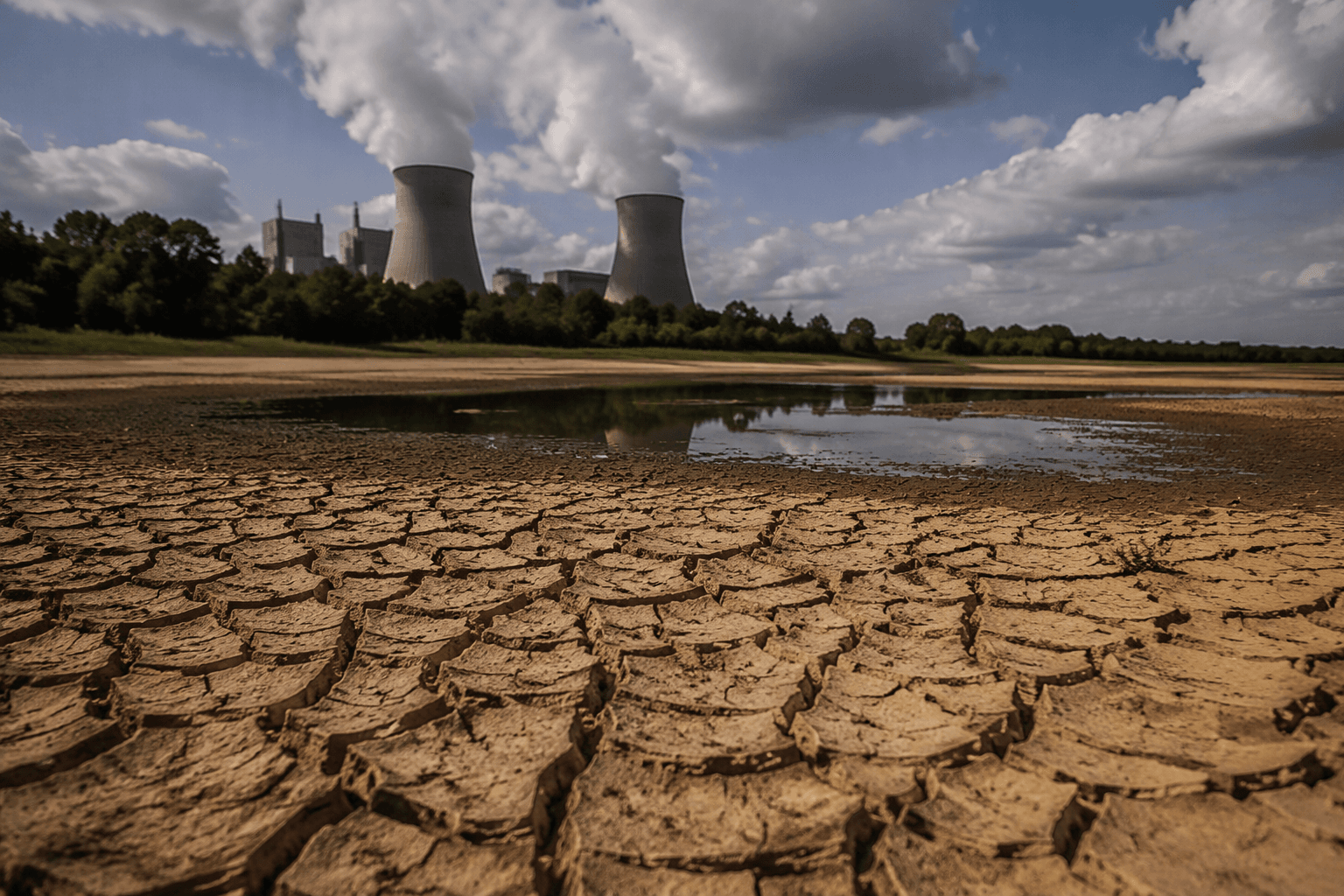
Europe’s extreme heat and drought this summer could erase much of the economic growth expected across the European Union in 2026, with one estimate putting the damage at about 1% of GDP, or roughly 180 billion euros. The warning from Dutch sustainable bank Triodos landed as large parts of the continent endured repeated heat waves, adding fresh pressure to crops, transport networks, energy systems and workforces already under strain.
The economic damage runs through several channels at once. Farmers face lower yields as drought deepens and temperatures climb. Transport networks can be disrupted when low water levels limit shipping and heat stresses roads, rail lines and other infrastructure. Energy systems are squeezed as demand for cooling rises even while some generation sources become less reliable in extreme conditions.
Businesses also lose output when temperatures make outdoor labor unsafe or when unconditioned workplaces slow down. Reuters said those effects are no longer abstract or distant: they are already visible in weaker productivity, damaged crops, disrupted transport and higher operating costs. The combined hit could materially trim growth across the bloc before any additional climate losses are counted.

The warning comes after Europe spent much of the summer baking under a brutal heat wave that broke temperature records and rattled electricity markets. In a Reuters video published June 25, Nomura economist George Buckley said that if the heat fuels inflation, the European Central Bank may have little choice but to step in. That links the climate shock to monetary policy, not just weather and agriculture.
Financial regulators are also watching the exposure of lenders. An Insurance Journal item dated July 7 said Europe’s bank watchdog would examine how exposed banks are to heat-related risks as temperature records kept falling. That scrutiny reflects a broader shift: physical climate risk is moving from an insurance and public health issue into the core of balance-sheet and macroeconomic planning.
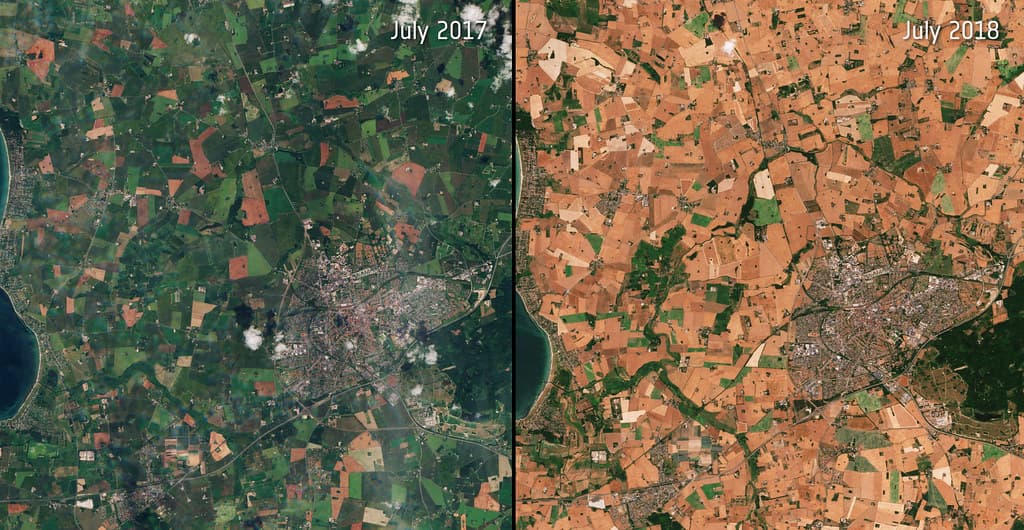
The consequences are likely to fall hardest on older adults, outdoor workers and low-income households without air conditioning, while governments face higher spending needs for adaptation, emergency response and infrastructure upgrades. For Europe, the immediate question is whether repeated heat will keep dragging on growth forecasts. For the U.S., the same pattern is a warning that extreme heat can shift from a seasonal burden into a direct drag on GDP, budgets and household spending.
This article was produced by Prism’s automated news system from verified source data, official records, and press releases, then run through automated quality and moderation checks before publishing. The system is built and supervised by the people who set the standards it runs under. Read our full AI policy.
Did this article answer your question?