Europe probes coordinated attacks on Jewish sites, linked to Islamist group
Shadowy arson claims from Liège to London rattled Jewish communities even though no one was injured. Investigators say the pattern fits low-cost intimidation with a possible pro-Iranian trail.
European investigators are probing whether a cluster of arsons and attempted attacks on Jewish sites was coordinated by a shadowy Islamist brand built to terrify more than to kill. Between March 9 and March 14, 2026, incidents in the Netherlands, Belgium and Greece were linked to Harakat Ashab al-Yamin al-Islamia, or HAYI, and Israel’s Diaspora Affairs and Combating Antisemitism Ministry said none of them caused injuries.
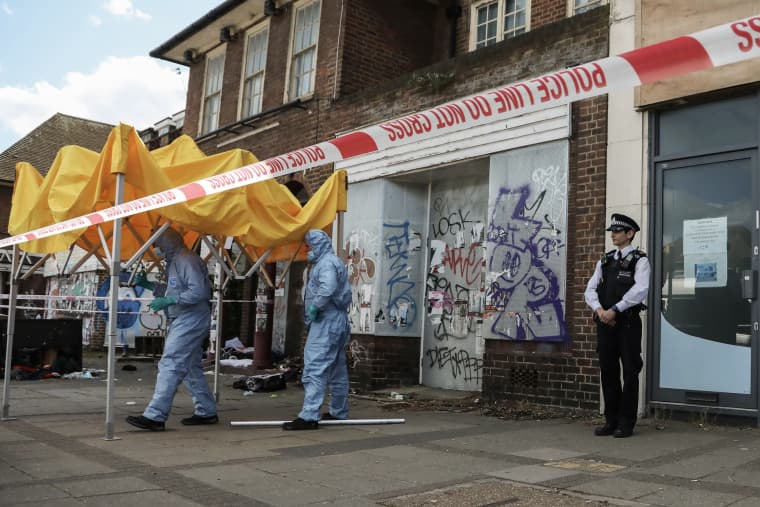
The pattern widened quickly. HAYI first surfaced after a synagogue firebombing in Liège on March 9, then claimed responsibility for the Rotterdam synagogue arson on March 13, an incident at a Jewish school in Amsterdam the same day, a thwarted attack on a Chabad Hebrew school in Heemstede, and a car burning in Antwerp. In London, the group said it had carried out at least eight arson attacks on Jewish locations, while British counterterrorism police examined possible Iranian hostile activity. Belgium increased security around Jewish sites as officials in several countries assessed whether the attacks were linked by a more organized hand.
The ministry said the attacks looked coordinated and were aimed at intimidation and psychological warfare. It said documentation of the incidents circulated on Telegram channels associated with Shiite militant networks aligned with Iran, including channels linked to Hezbollah and the Islamic Revolutionary Guard Corps. The ministry also said the name Ashab al-Yamin al-Islamia had previously been used by an Iraqi militia designated a terrorist organization by the U.S. State Department, adding another layer of confusion around the group’s identity and reach.
Security analysts described the campaign as a form of hybrid warfare, a mix of low-cost violence, online signaling and deniable operations that can produce outsized fear, force expensive security responses and disrupt public life far beyond the damage on the ground. One analyst said the group could be an astroturfed terror brand or an Iran-aligned network using low-cost, high-visibility operations. HAYI’s claimed spokesperson said the group would continue targeting U.S. and Israeli interests worldwide.
The arrests of four suspects aged 17 to 19 after the Rotterdam synagogue arson, on suspicion of being recruited for additional attacks, showed how quickly the threat could spread through vulnerable networks. But the group’s legitimacy has also been questioned because of inconsistencies in its messaging and tactics, including doubts about its Telegram footprint and a video that appeared to misstate events in Greece. For Jewish communities across Europe, a handful of fires and threats were enough to trigger anxiety, tighter protection and a continentwide security review.
This article was produced by Prism’s automated news system from verified source data, official records, and press releases, then run through automated quality and moderation checks before publishing. The system is built and supervised by the people who set the standards it runs under. Read our full AI policy.
Did this article answer your question?


