European airlines raise fares as jet fuel prices surge
Long-haul fares rose by €50 as jet kerosene hit nearly $1,700 a ton, forcing airlines to pass conflict costs onto summer travelers.
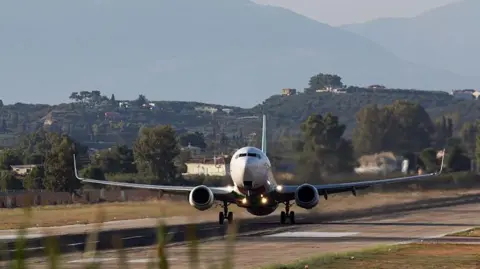
European flyers are starting to pay for the jump in jet fuel prices with higher fares, extra fees and fewer flights. Air France-KLM said it would raise long-haul economy tickets by €50, Lufthansa chief executive Carsten Spohr said his airline makes only about €10 in average profit per passenger, and SAS said it would cancel at least 1,000 flights, mostly domestic routes in Norway, as fuel costs surged.
The pressure came after the war involving the US, Israel and Iran pushed oil and jet fuel sharply higher and disrupted shipping through the Strait of Hormuz, a key corridor for fuel moving into Europe. Jet kerosene shipped to Europe reached nearly $1,700 per ton in mid-March, more than double the level before the conflict escalated. That is feeding directly into airline pricing as carriers try to protect already thin margins and preserve summer schedules.
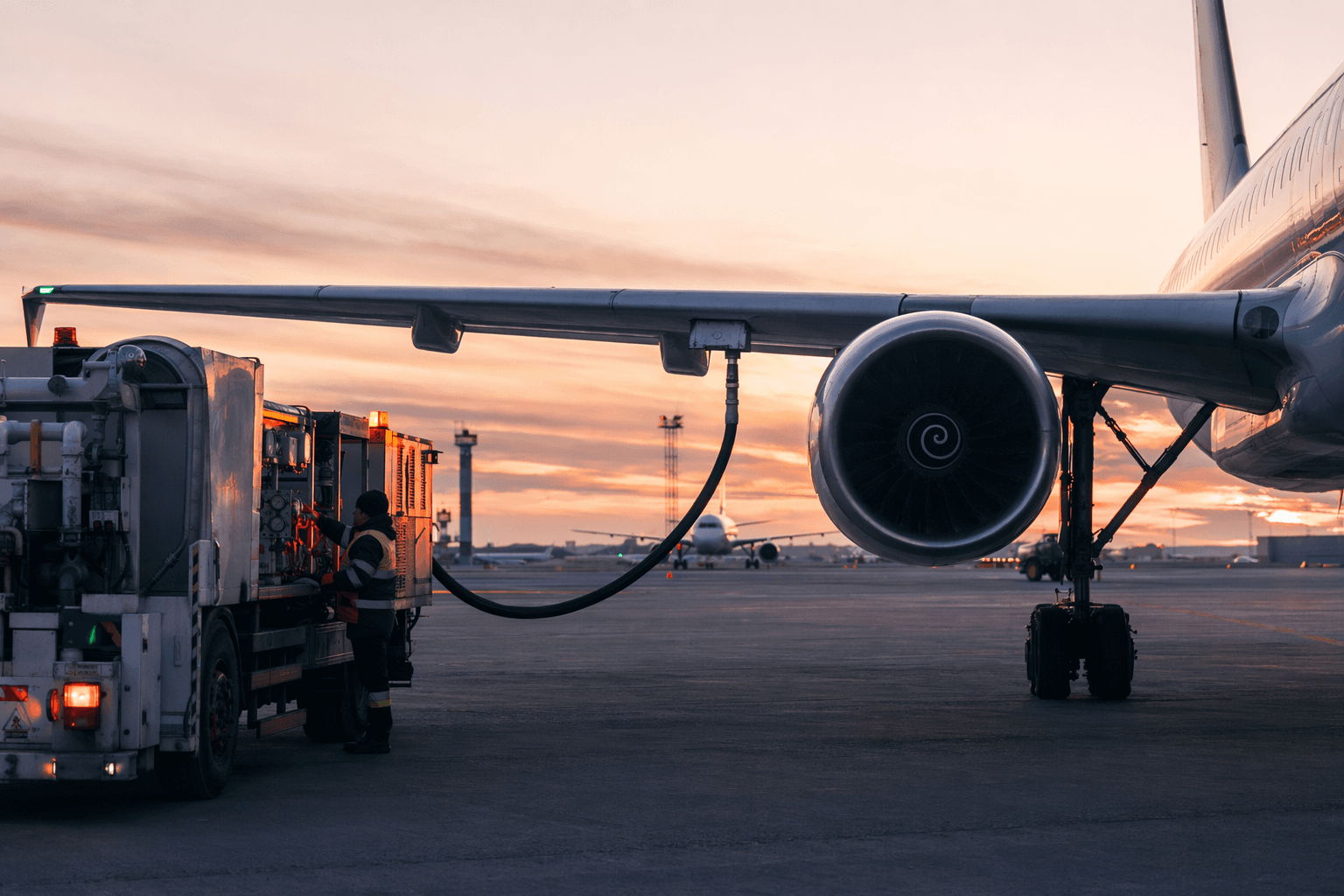
Ryanair chief executive Michael O’Leary said most airlines are well hedged, but the direction of travel is clear: higher fuel costs will be passed on to consumers. In practice, carriers with the least room to absorb the shock are moving fastest. Lufthansa has said there is no way to absorb additional costs at current profit levels, while Air France-KLM has already chosen a direct fare increase. SAS has gone further by trimming capacity, cutting flights rather than trying to fly them at a loss.
The risk is no longer just expensive fuel, but a supply squeeze. The International Energy Agency said Europe may have about six weeks of jet fuel left if supplies remain blocked, while Airports Council International Europe warned the region could face a systemic jet fuel shortage within three weeks. A4E, the airline lobby group, pressed the European Union to consider emergency steps including monitoring jet fuel supplies, joint kerosene purchasing, temporary relief from the aviation carbon market and changes to reserve and slot rules.
The stakes go well beyond airline balance sheets. Airports and air connectivity support 14 million jobs and €851 billion in European GDP, according to ACI Europe, about 5% of the region’s economy. If the blockage in Middle East energy routes lasts, the first signs for travelers will be more expensive tickets and fewer deals; the longer the disruption continues, the more likely those temporary surcharges become a broader reset in fares.
This article was produced by Prism’s automated news system from verified source data, official records, and press releases, then run through automated quality and moderation checks before publishing. The system is built and supervised by the people who set the standards it runs under. Read our full AI policy.
Did this article answer your question?