European stocks tumble as Trump tariff threats revive trade-war fears
European markets plunged after Trump threatened staged tariffs on eight countries over Greenland, lifting volatility and safe-haven flows across assets.
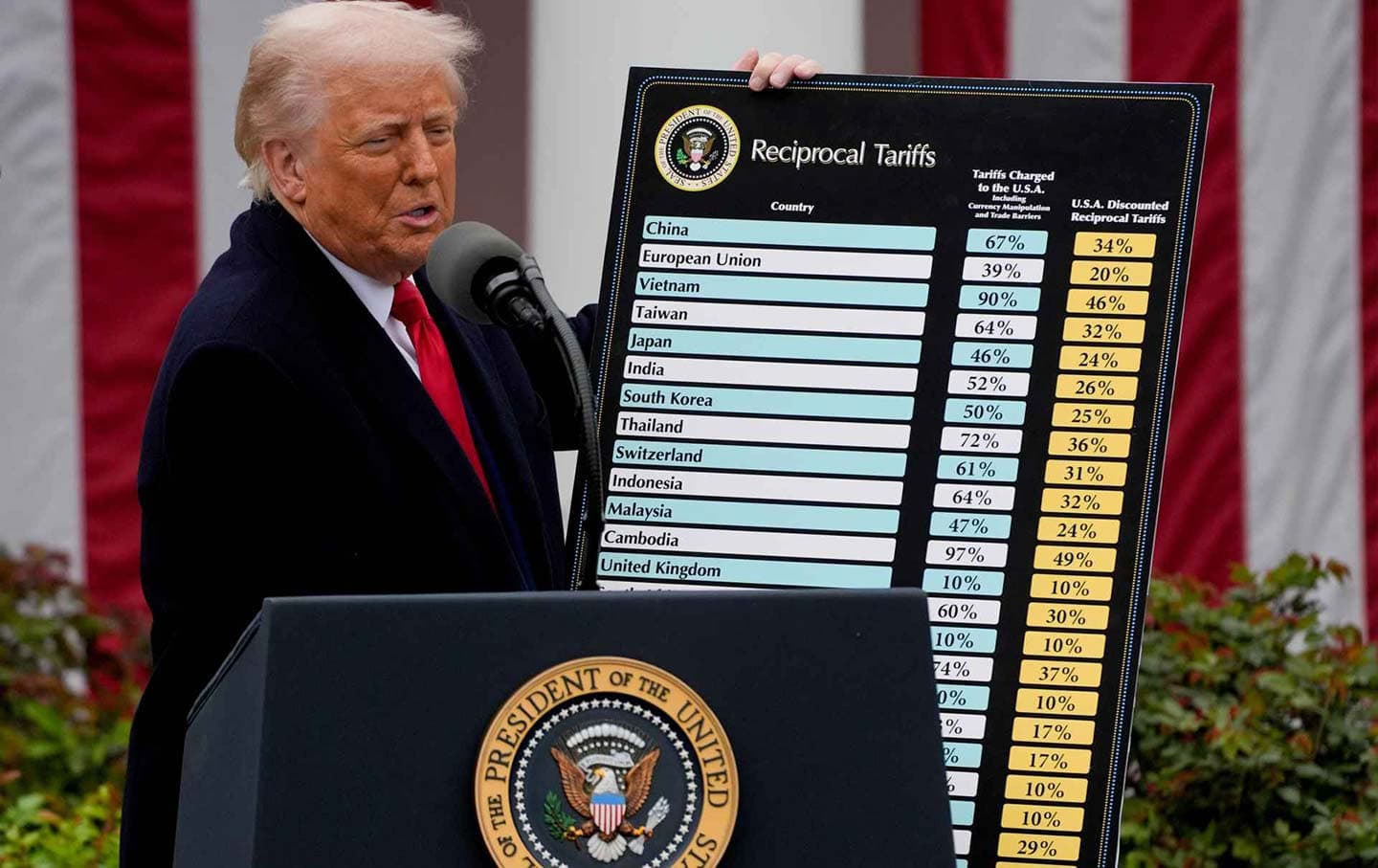
European equity markets are sliding as investors absorb U.S. presidential threats to impose a package of tariffs linked to a dispute over Greenland, knocking the STOXX 600 off near‑record highs and rekindling trade‑war anxieties.
By mid‑morning in London the STOXX 600 was down roughly 1.3%, with France’s CAC 40 near a one‑month low and Germany’s DAX slipping about 1.4%. The selloff follows a drop on Monday that marked the index’s largest one‑day fall in two months, when export‑heavy national benchmarks such as the CAC and DAX each declined more than 1.3%. Volatility climbed: a euro‑zone equity volatility gauge jumped roughly 3.75 points to its highest level since November.
The market move tracked explicit U.S. presidential threats to levy staged tariffs on eight European countries, Denmark, Norway, Sweden, France, Germany, the Netherlands, Finland and Britain, tied to resistance to a U.S. push to acquire Greenland. The measures, as outlined by U.S. officials, would start with an additional 10% tariff on goods from those countries on Feb. 1, rise to 25% on June 1 if no deal is reached and continue as an escalating “wave of increasing tariffs” until the U.S. was “allowed to buy Greenland.” A separate targeted threat called for a 200% tariff on French wines and champagne to pressure President Emmanuel Macron to join a U.S. initiative labeled the “Board of Peace.”
Sectors most exposed to global trade and discretionary spending led losses. Luxury stocks slid roughly 3% and autos fell about 2.2% in one snapshot of trading, while technology names moved lower near 2.9%. High‑profile luxury and auto names saw notable intraday weakness: LVMH was reported down in the low single digits and BMW fell more than 3% on one feed. Denmark’s pharmaceutical exposure showed up in stock moves as well, with Novo Nordisk down about 3.2% in some intraday quotes. Morgan Stanley estimates put direct Greenland‑related tariff exposure at roughly 2.2% of revenues in the MSCI Europe basket, warning that pain would be idiosyncratic and concentrated in luxury, autos and pharmaceuticals.
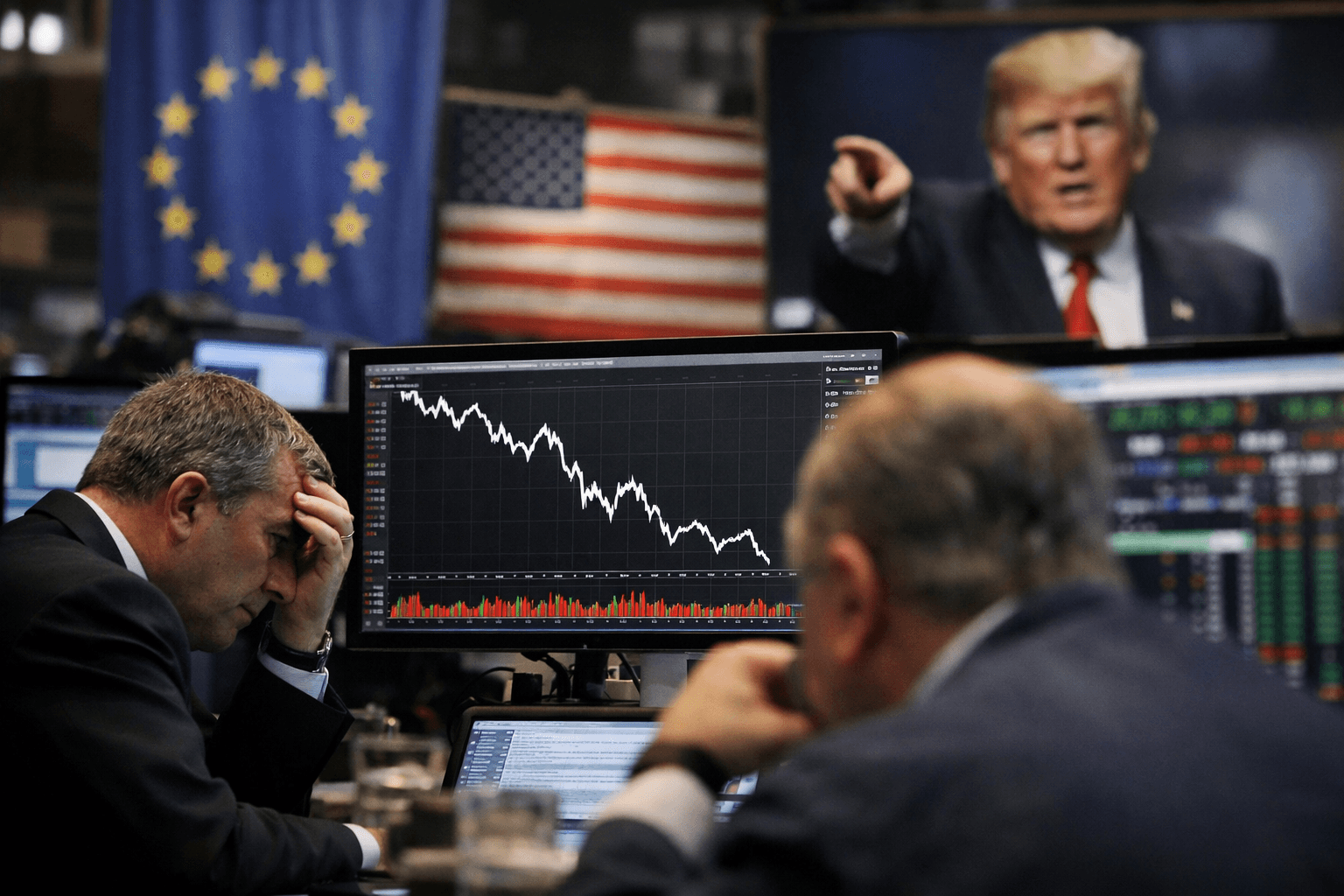
Investors pushed into traditional safe havens: gold and silver rose, government bond yields eased and the Japanese yen and Swiss franc strengthened while the U.S. dollar softened. Market participants noted an added complication: U.S. markets were closed on Monday for Martin Luther King Jr. Day, making Tuesday the first full trading day for U.S. investors to react to the rhetoric.
Analysts warned the episode elevated geopolitical risk premiums even if some remain skeptical that the measures will be fully implemented. TD Cowen analysts called the move “the most unusual and potentially serious shift in USA foreign policy we’ve seen. There’s no playbook for this.” Ed Yardeni of Yardeni Research framed the moment in broader policy uncertainty with a simple directive for investors: be‑ready‑for‑anything.
The confrontation arrives as global leaders gather at the World Economic Forum in Davos, adding a high‑profile calendar backdrop to market sensitivity. Even if the tariff threats remain largely rhetorical, the immediate repricing underscores how quickly trade rhetoric can translate into tangible market stress and volatility for Europe’s export‑dependent firms.
This article was produced by Prism’s automated news system from verified source data, official records, and press releases, then run through automated quality and moderation checks before publishing. The system is built and supervised by the people who set the standards it runs under. Read our full AI policy.
Did this article answer your question?

