Eurovision 2026 in Vienna, operatic riffs and standout moments to watch
Vienna turns Eurovision 2026 into a feverish mix of opera, camp and spectacle. The final's biggest moments reveal how Europe performs identity now.
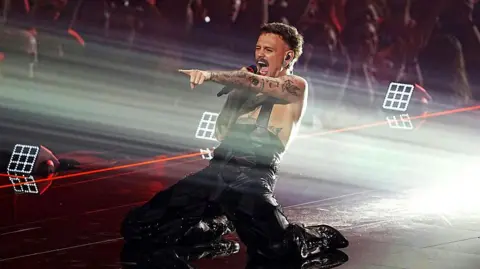
Vienna is not just hosting Eurovision 2026, it is amplifying everything the contest does best: excess, invention and emotional self-invention. With the 70th Eurovision Song Contest unfolding at Wiener Stadthalle, the city’s operatic reputation has seeped into the lineup so thoroughly that the songs themselves seem to be competing on volume, drama and sheer commitment.
Why Vienna changes the mood of Eurovision
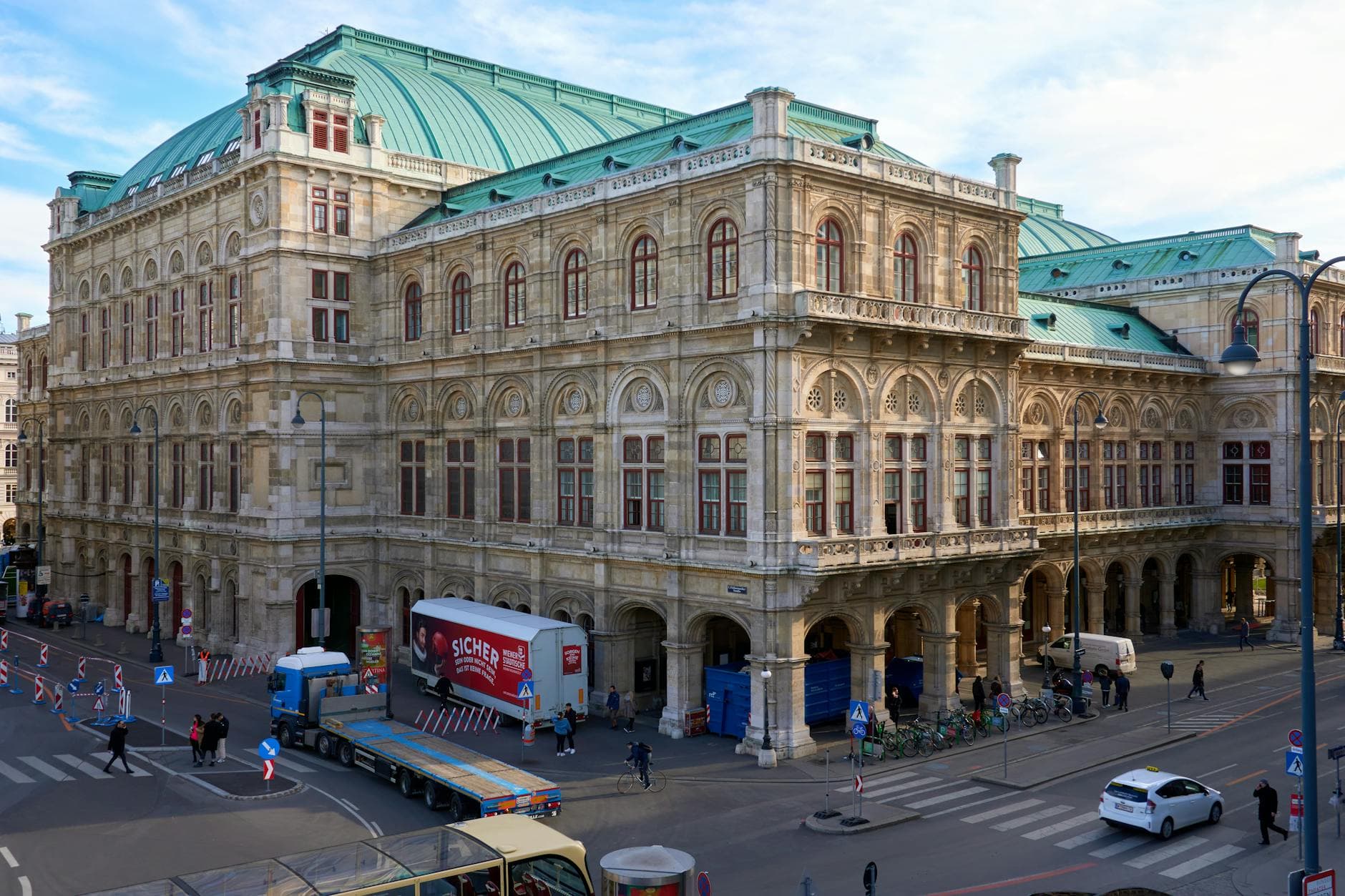
This is Austria’s moment after JJ’s 2025 victory with “Wasted Love,” and it is Vienna’s third time welcoming the contest, after 1967 and 2015. That history matters because Eurovision is never only about the songs on stage. It is about which city gets to define the atmosphere around them, and Vienna brings a particularly charged sense of grandeur, a place where camp and prestige feel natural bedfellows.
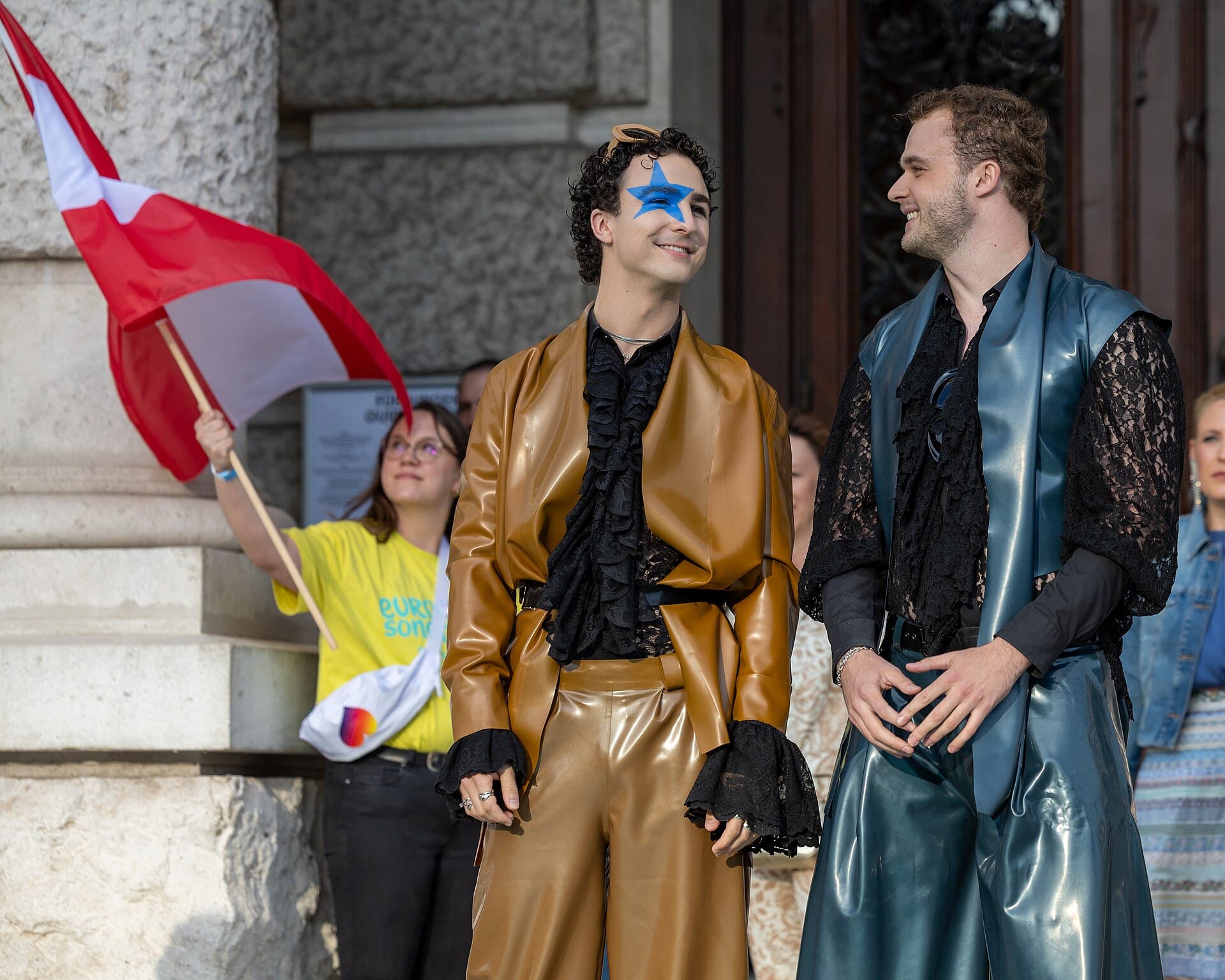
The contest runs from 10 to 16 May 2026, with semi-finals on 12 and 14 May and the grand final on Saturday 16 May at 9 pm CEST. A total of 35 countries are taking part, and 25 songs made it into the final, a reminder that even after seven decades the contest still works as a continent-wide filter for taste, ambition and identity. Vienna City Hall, the Wiener Rathaus, opened the festivities with the turquoise-carpet ceremony, while Rathausplatz is the public-facing heart of the week through the Eurovision Village.
The operatic turn is the story inside the story
The most obvious motif this year is the operatic riff. Vienna seems to have encouraged half the field to lean into vocal drama whether it strictly needed it or not, and that says something about Eurovision in 2026: high culture is no longer sitting outside pop spectacle, it is being folded into it, exaggerated and repackaged for a television audience that rewards maximalism.
That operatic impulse also reveals how the contest keeps renegotiating identity. Eurovision has long been a stage where queer aesthetics, theatricality and self-aware excess can coexist with mainstream pop. In Vienna, that tradition feels especially visible, not as parody, but as a serious language of expression. The city that gave Europe figures like Udo Jürgens and Conchita Wurst now hosts a contest where grand emotion is part of the political grammar of the show.
The stand-out moments to watch
The songs drawing the most attention are not just technically ambitious, they are theatrically unruly. Expect death-defying dance moves, sexually suggestive rock anthems and a bid for the longest sustained note in Eurovision history. Those elements matter because they show how the contest still rewards performers who make risk look glamorous.
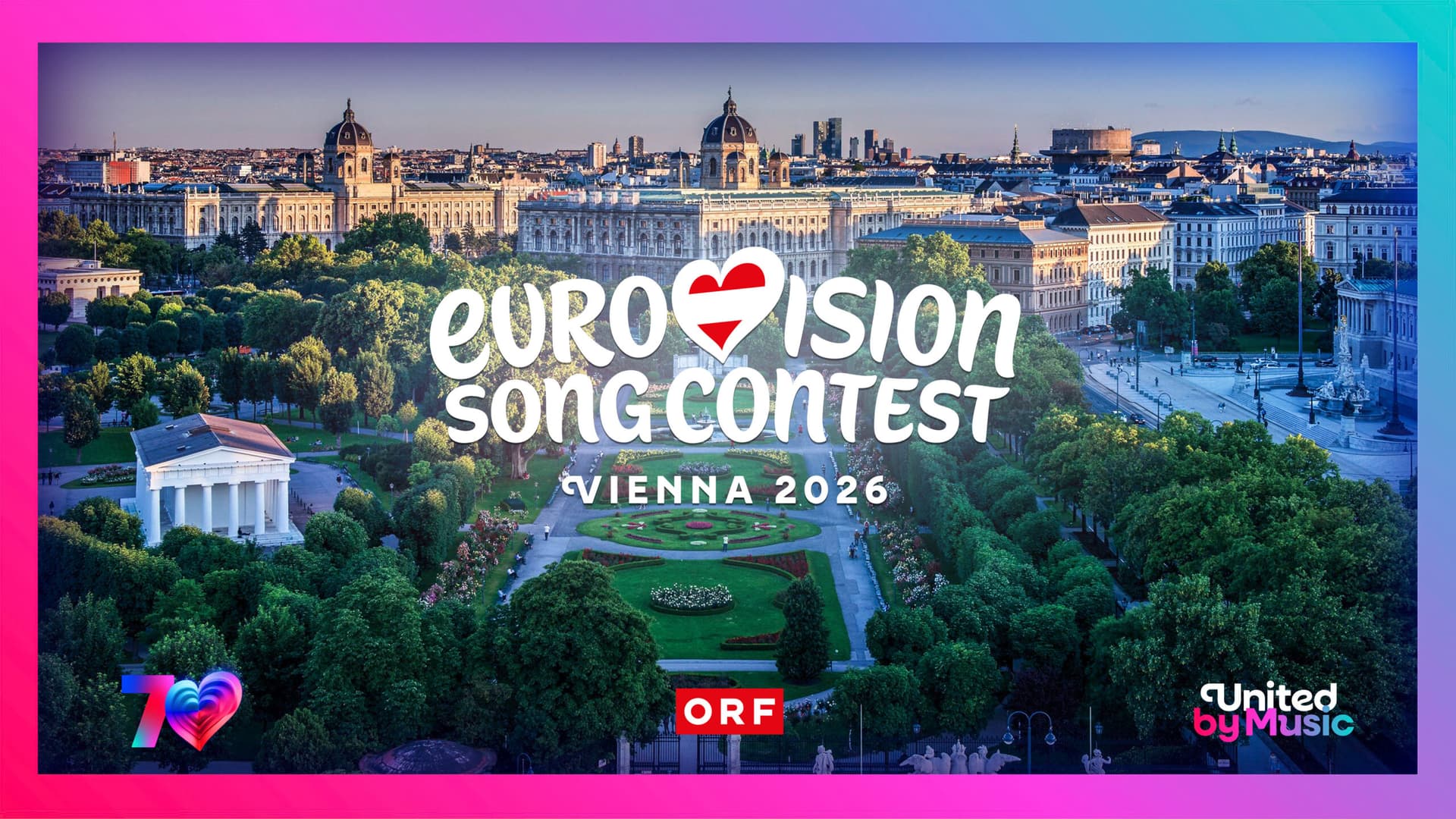
There is also the more playful side of the field, including references to live violins and dancing computers. Together, those details point to a broader Eurovision truth: the contest remains a laboratory for visual absurdity that can still land as pop sophistication. The point is not simply to be bizarre. The point is to make absurdity feel precise, intentional and emotionally legible.
What makes these moments resonate beyond the contest itself is their clarity. At a time when pop culture often feels flattened by algorithms and trend-chasing, Eurovision still celebrates acts that commit fully to a single idea. Whether that idea is camp, seduction, virtuosity or comic overload, the songs are asking viewers to accept performance as identity, not just decoration.
How Vienna is staging the experience
The host city is making Eurovision feel like a civic event, not just a TV show. The Eurovision Village and public screening area are based at Rathausplatz from 10 to 17 May 2026, creating a public square for fans who want to experience the contest together. The turquoise-carpet opening at Vienna City Hall added a ceremonial layer that mirrors the contest’s own mix of glamour and public spectacle.
Inside Wiener Stadthalle, the broadcast is led by ORF, with Victoria Swarovski and Michael Ostrowski as hosts and Emily Busvine in the green room. That combination matters because Eurovision depends on tone as much as logistics. The hosts have to keep the machine moving while preserving the sense that the event is both professionally produced and gloriously unpredictable.
How to watch the final wherever you are
The grand final aired live on BBC One and BBC iPlayer from 20:00 BST on Saturday 16 May 2026. It is also being carried live by all 35 participating broadcasters, streamed on participating broadcasters’ websites and on-demand services where available, and shown on the official Eurovision Song Contest YouTube channel for viewers in non-participating countries. In the United States, the final is available on Peacock.
That wide access is part of why Eurovision remains unusually influential. It is a shared live event that crosses borders, time zones and media habits, turning a song contest into a snapshot of how Europe, and audiences beyond Europe, are choosing to perform themselves in public.
What this year says about Eurovision now
Eurovision 2026 in Vienna is not leaning on nostalgia. It is showing how the contest keeps absorbing shifts in pop culture, queer visibility and post-national identity without losing its appetite for spectacle. The operatic riffs, the aggressive dance breaks, the rock bravado and the comic mechanical flourishes are not random gimmicks. They are signals of a contest that still understands how to turn performance into a civic mirror.
That is why Vienna feels like the right backdrop. The city gives the competition a formal elegance, but the show itself keeps breaking that elegance open. In the tension between those two impulses lies Eurovision’s enduring power: it can be ridiculous, dazzling and emotionally sincere all at once, and that combination still tells us a great deal about Europe right now.
This article was produced by Prism’s automated news system from verified source data, official records, and press releases, then run through automated quality and moderation checks before publishing. The system is built and supervised by the people who set the standards it runs under. Read our full AI policy.
Did this article answer your question?