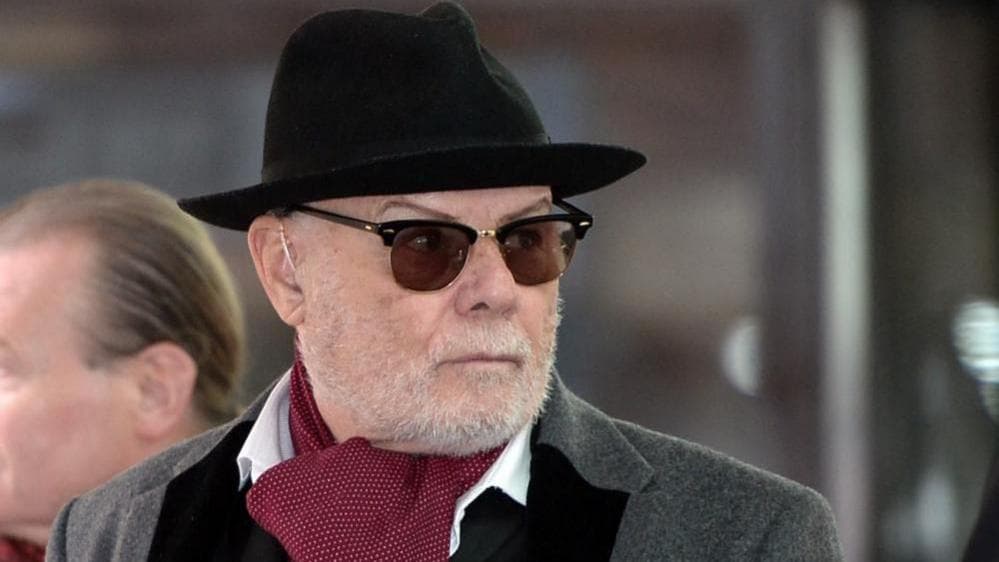
Eurovision faces boycott, protests over Israel entry in Vienna
Israel's qualifying performance, five broadcaster boycotts and street protests have turned Eurovision's 70th year into a test of political neutrality.

Vienna's glitter-heavy Eurovision stage has been overtaken by a dispute over war, boycotts and the contest's claim to stand above politics. In its 70th year, the song contest has drawn only 35 entries, the smallest field since 2003, after five public broadcasters from Spain, the Netherlands, Ireland, Iceland and Slovenia stayed away over Israel's participation.
The standoff has put the European Broadcasting Union under pressure to defend its rules and its neutrality. At its general assembly in Geneva on December 4, 2025, members backed targeted changes meant to reinforce trust, transparency and neutrality, and the union said all members willing to accept those rules could take part in Eurovision 2026. The EBU has also pointed to its 2022 decision to exclude Russia after the invasion of Ukraine, a precedent that has only sharpened debate over whether Israel should be treated differently now.
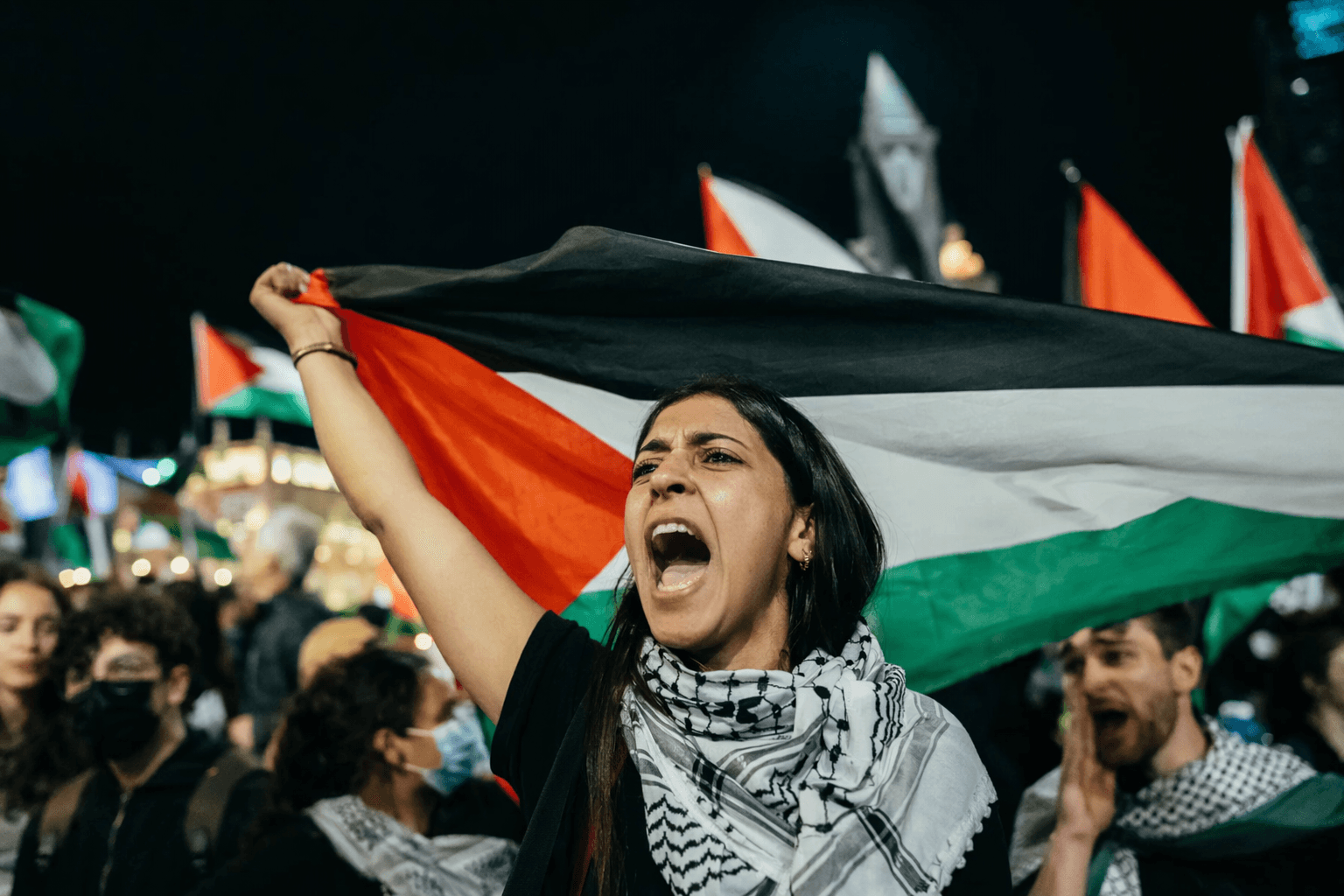
The contest's opening days showed how little room remains for the old fiction of an apolitical global spectacle. During the first semi-final on May 12, four people were removed from the arena after attempts to disrupt Israel's performance. One protester shouted, "Stop, stop the genocide" and "Free, free Palestine." Israel still advanced to the grand final, underscoring how deeply the contest has split audiences, broadcasters and artists.
Outside the arena, Vienna has been preparing for a week of demonstrations. Organizers and host broadcaster ORF said security was unusually tight, with police bracing for large-scale protests. A small pro-Palestinian demonstration that had been expected to draw about 500 people instead brought only around 30, but officials still anticipated a handful of separate actions across Eurovision week, with attendance estimates reaching up to 3,000.
The boycott has also widened into a cultural fight beyond the broadcasters themselves. More than 1,000 artists and entertainment figures have signed open letters on both sides of the dispute, exposing how the war in Gaza has pierced one of Europe's most recognizable entertainment institutions. RTÉ called continued participation "unconscionable" given the loss of life and humanitarian crisis in Gaza, while Spain argued that Israel's use of the contest for political purposes made it harder to preserve Eurovision as a neutral cultural event. AVROTROS said Israel had used the contest as a political instrument, and Austria backed Israel's continued inclusion while Germany threatened to withdraw if Israel were excluded.
What began in 1956 as a celebration of cross-border pop culture has become a measure of how much geopolitical conflict can spill into spaces once marketed as safe from it. Eurovision's camp, costumes and pyrotechnics are still there, but in Vienna they are now staged against a contest struggling to prove that entertainment can remain separate from war.
This article was produced by Prism’s automated news system from verified source data, official records, and press releases, then run through automated quality and moderation checks before publishing. The system is built and supervised by the people who set the standards it runs under. Read our full AI policy.
Did this article answer your question?