Everest summit route blocked by unstable icefall, hundreds of climbers wait
An unstable serac above Everest Base Camp has stopped rope-fixing work, leaving more than 1,000 people waiting while the season’s narrow climbing window keeps ticking away.
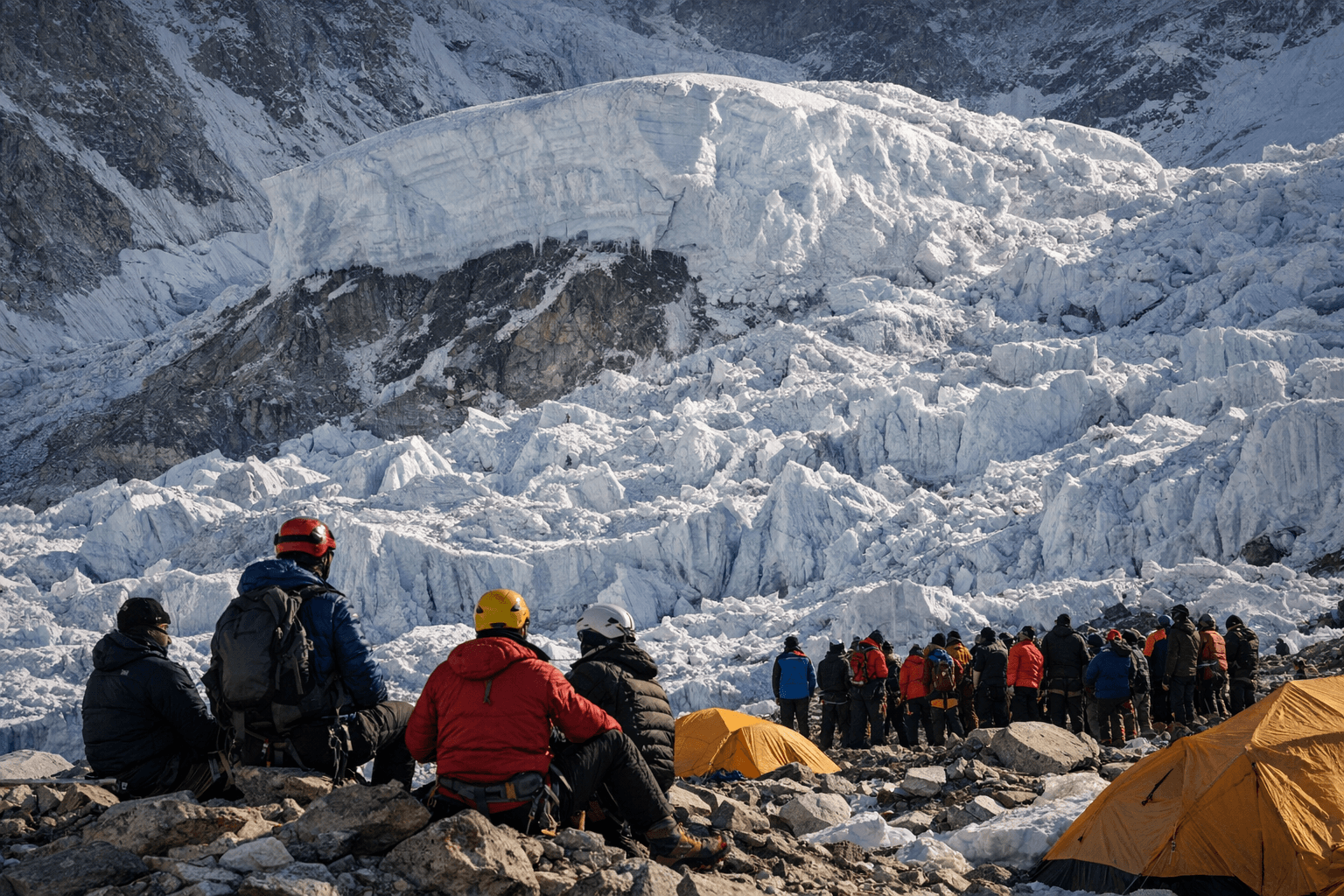
A wall of ice has stalled the south-side route to the world’s highest summit, leaving hundreds of climbers and their support crews waiting at Everest Base Camp while the Icefall Doctors work around a dangerous serac above the trail to Camp One.
Officials said the ice block between Base Camp and Camp One is unstable and risky, and it has already delayed route-setting for nearly two weeks. The team that normally finishes securing the passage by mid-April has not been able to complete the job, adding pressure in a season that lasts only until the end of May, when weather windows and calmer winds make summit attempts possible.
Nepal has issued 410 Everest permits for the 2026 spring season, and more than 1,000 foreign climbers and support staff were gathering at base camp or making their way up the mountain as they waited for the route to open. The Sagarmatha Pollution Control Committee planned an aerial assessment, and officials said they may wait for the serac to melt to a safer level or use a helicopter to drop supplies if needed.
The delay underscores the hidden labor that makes elite climbing possible. The Icefall Doctors are not medical workers. They are highly skilled Sherpa mountaineers who return every spring to fix ropes, place aluminum ladders and turn the Khumbu Icefall into something close to passable. They discovered the serac on April 10 and determined that it could collapse onto the route, halting work on one of the mountain’s most dangerous sections.
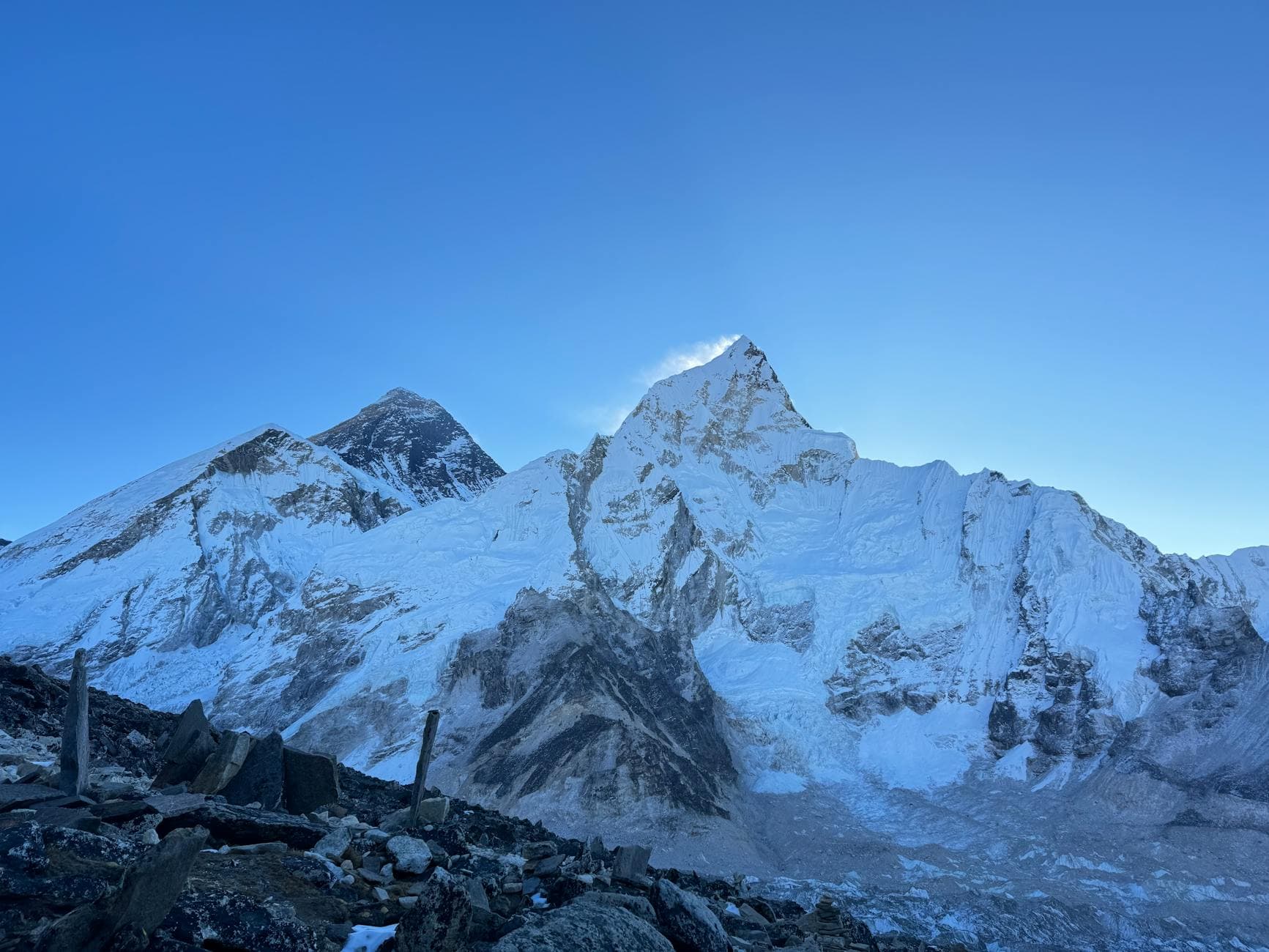
That danger is not theoretical. In 2014, a serac collapse triggered an avalanche in the Khumbu Icefall that killed 16 Sherpa guides, one of the deadliest disasters in Everest climbing history. In 2023, three Nepali guides were killed when a falling block of ice swept them into a crevasse while carrying supplies. Huge overhanging ice blocks, some as large as 10-story buildings, make the icefall a daily gamble for the workers who carry the route on their backs.
The stakes are also economic. Everest remains a major business, with around 700 climbers reaching the summit from Nepal last year and about 100 more believed to have topped out from the Chinese side. Since the mountain was first climbed on May 29, 1953, by Edmund Hillary and Tenzing Norgay, the south-side ascent has depended on the Icefall Doctors, who have been preparing the route every spring since at least 1993. Their work now sits at the center of a changing risk equation, where a narrow season, unstable ice and a crowded base camp leave little margin for error.
This article was produced by Prism’s automated news system from verified source data, official records, and press releases, then run through automated quality and moderation checks before publishing. The system is built and supervised by the people who set the standards it runs under. Read our full AI policy.
Did this article answer your question?