Evergrande founder Hui Ka Yan pleads guilty in trial over debt collapse
Hui Ka Yan pleaded guilty in Shenzhen as Evergrande’s collapse exposed unfinished homes, shattered wealth and a debt pile of about $300 billion.

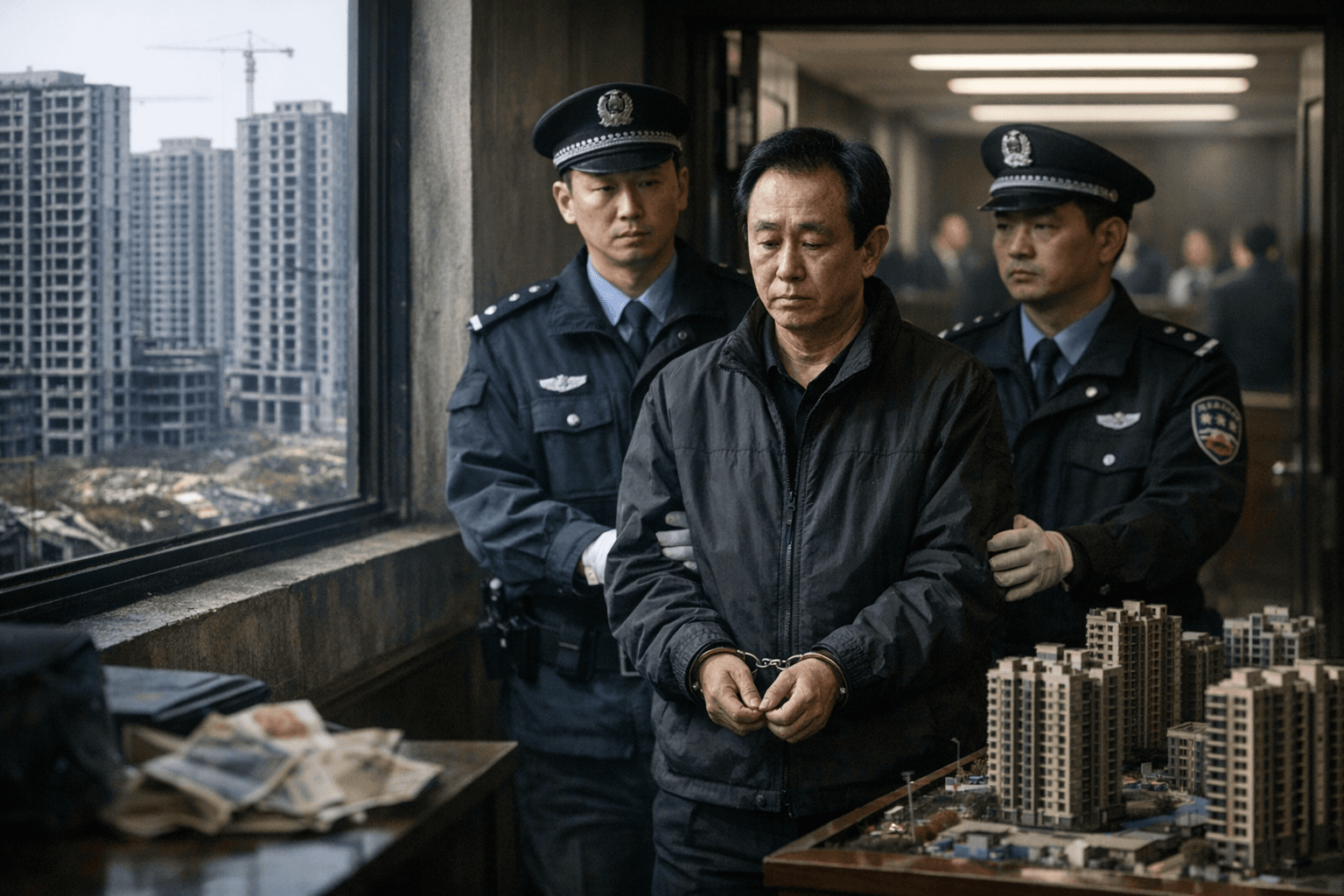
Hui Ka Yan, the founder of China Evergrande Group, pleaded guilty in a Shenzhen courtroom as the long unraveling of China’s most notorious property empire moved into its most consequential legal stage.
The Shenzhen Intermediate People’s Court said during public proceedings from Monday to Tuesday that Hui, also known as Xu Jiayin, expressed remorse. Prosecutors charged him with offenses including illegally absorbing public deposits, fraudulent fundraising and illegally granting loans. They also accused China Evergrande Group and Evergrande Real Estate Group of multiple offenses, including fraudulent issuance of securities. The verdict will be announced later.
The hearing laid bare more than the fall of one billionaire. Evergrande was once China’s biggest real estate firm, with a stock market valuation of more than $50 billion and about 1,300 projects under development across 280 cities at its peak. By 2021, the company had defaulted on most of its roughly $300 billion in liabilities, along with billions of dollars in wealth-management product payments. Funds from pre-sale homebuyers were reportedly diverted from construction into new projects, leaving hundreds of unfinished properties across China and shaking household confidence in one of the country’s main stores of wealth.
Hui’s rise was as dramatic as his collapse. He came from humble beginnings in rural China and founded Evergrande in 1996. In 2017, Forbes estimated his fortune at $42.5 billion, a level that made him one of Asia’s richest people. By the time Chinese authorities detained him in September 2023, his wealth and influence had already disintegrated with the company he built.
Evergrande’s legal and financial collapse widened after a Hong Kong court ordered the company into liquidation in January 2024, after it failed to present a concrete restructuring plan for its liabilities. The Hong Kong Stock Exchange later cancelled the listing of China Evergrande Group, effective 25 August 2025, after trading had been suspended since 29 January 2024.
For China, the case has become a milestone in the breakdown of the debt-fueled property era that helped drive growth for years. Evergrande’s downfall is widely seen as a trigger for the property slump that began worsening in 2021 and has continued to weigh on economic momentum. The guilty plea now turns one of the sector’s defining failures into a public test of accountability, while Beijing keeps trying to restore confidence without conceding how deeply the model itself had cracked.
This article was produced by Prism’s automated news system from verified source data, official records, and press releases, then run through automated quality and moderation checks before publishing. The system is built and supervised by the people who set the standards it runs under. Read our full AI policy.
Did this article answer your question?