Guide to BBG's C.V. Starr Bonsai Museum: 400 Trees, Classes
Learn what the C.V. Starr Bonsai Museum has, about 400 temperate and tropical trees, plus tours, classes, and practical resources to deepen your bonsai practice.
1. Collection overview: roughly 400 bonsai
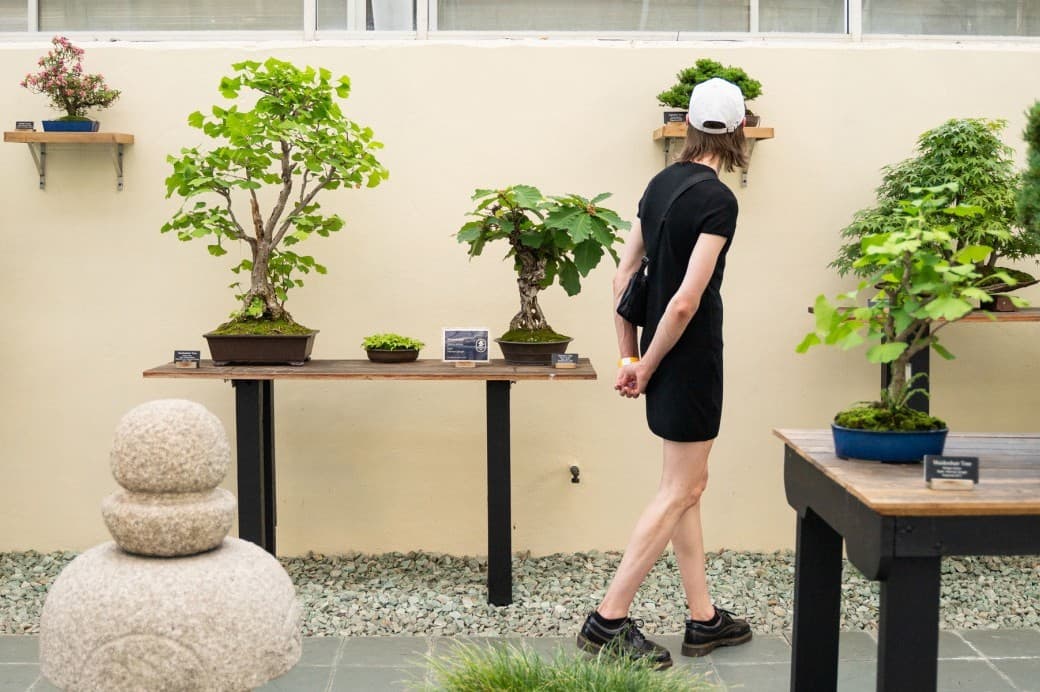
The C.V. Starr Bonsai Museum houses roughly 400 temperate and tropical bonsai, making it one of the largest public collections outside Japan. That scale gives you repeated opportunities to study development stages, design decisions, and long-term maintenance across generations of specimens. Visiting or using the museum’s resources means you can compare seasonal behavior, trunk development, and root flare on many species side-by-side, invaluable for learning pruning timing and aesthetic judgment.
2. Species and styles on display
The museum represents a broad range of temperate and tropical species and showcases classic bonsai styles so you can see how different plants respond to identical design moves. Seeing multiple examples of formal upright, informal upright, cascade, and literati expressions (and their seasonal changes) builds your visual library, the shorthand you use when planning a repot or jin. Observing species-specific traits in person helps you calibrate wiring tightness, pruning aggressiveness, and watering rhythm for each tree you own.
3. Guided Bonsai Scale Tours
Guided Bonsai Scale Tours offer curated walks that decode proportion, composition, and presentation, the “scale” that turns a potted tree into a convincing landscape in miniature. These tours are led by experienced staff and artists who point out museum-level choices about pot size, display angle, and negative space that aren’t obvious from photos. If you want to refine your eye for bonsai scale, join a tour to learn how to judge trunk taper, canopy massing, and front-facing alignment in real time.
4. Classes: art of bonsai, flowering bonsai, indoor bonsai growing
The museum’s class slate includes an art of bonsai overview, flowering bonsai techniques, and indoor bonsai growing fundamentals, each taught by experienced curators and artists. The art of bonsai class covers design principles and long-term development plans so you can draft sensible training schedules for your trees. Flowering bonsai classes focus on timing, pruning and cultural care to encourage blooms without sacrificing structure, while indoor bonsai courses tackle light, humidity, and watering strategies unique to tropical and subtropical species kept inside.
5. Workshops and hands-on instruction
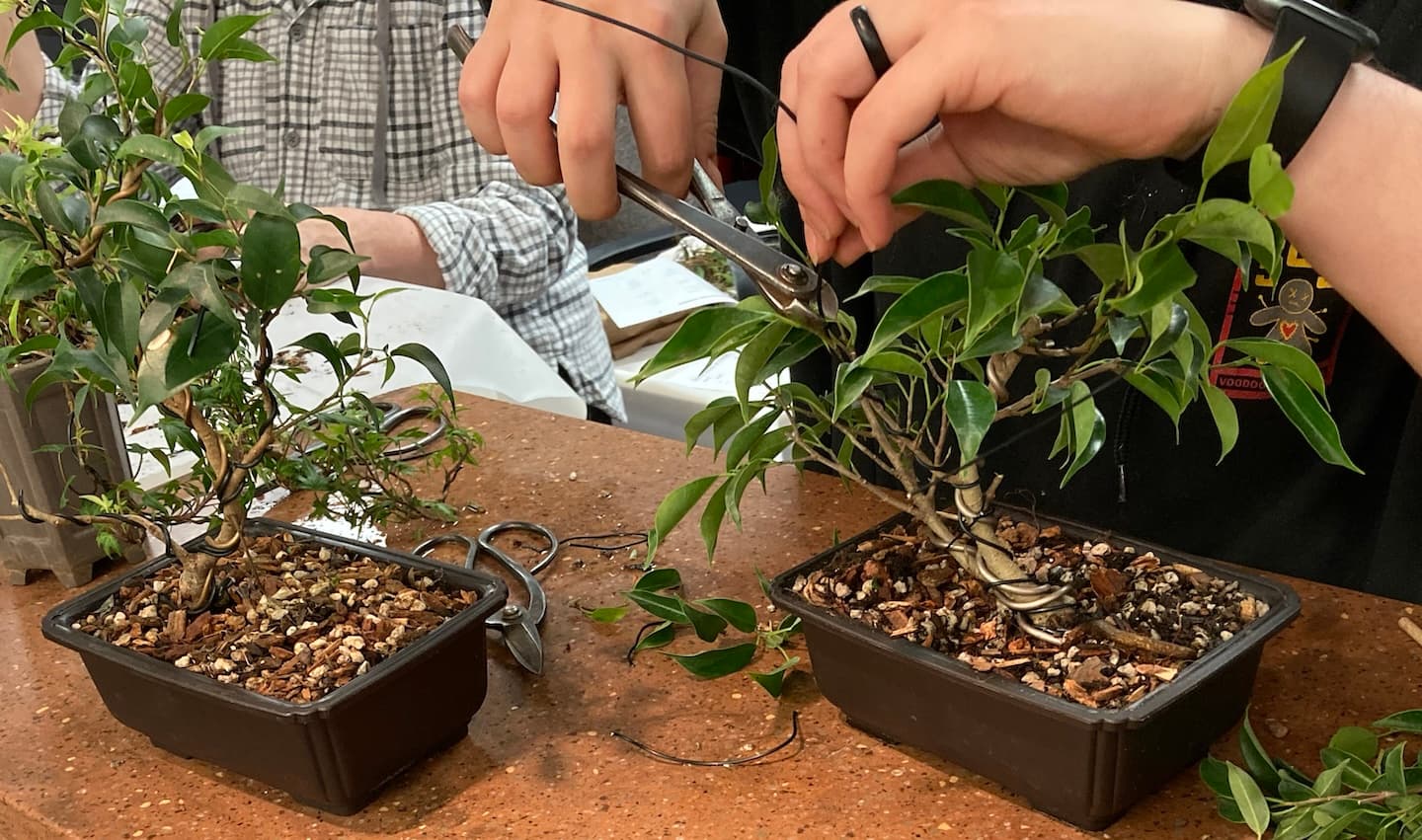
Workshops provide practical, hands-on instruction where you actually prune, wire, and repot under expert supervision, the fastest route from theory to muscle memory. These sessions break down techniques into manageable steps and show you how tools interact with living tissues so your cuts heal cleanly and wiring leaves minimal scars. Expect close feedback on posture, tool choice, and sequence, the tiny adjustments that save trunks and roots over years.
6. Interpretive resources and further learning
The museum supplies interpretive materials and links to further learning so you can follow up after a visit or class; these resources explain styles, display practices, and care calendars in more depth. Use these materials to build a seasonal checklist for pruning, wiring, and repotting tailored to the species you own. The resources serve as a living syllabus: refer back when planning your next repot or when a branch needs reshaping so your decisions mirror museum-grade rationale.
7. Practical techniques emphasized: pruning, wiring, pot selection
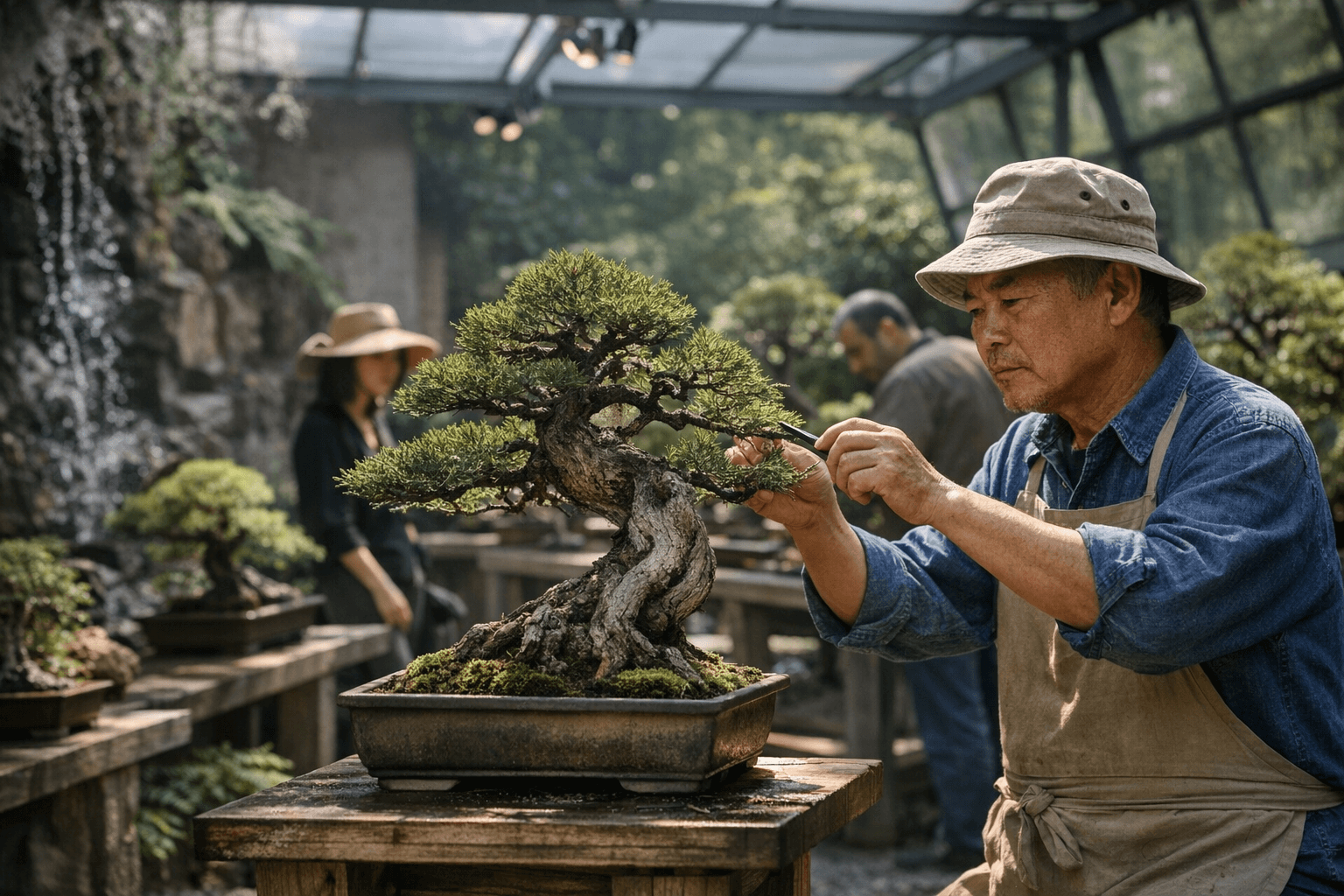
Pruning, wiring, and pot selection are core skills emphasized across tours, classes, and resources, with instruction from museum curators and guest artists. You’ll learn structural pruning (establishing form), maintenance pruning (refining foliage pads), and considerate wiring techniques that respect branch health and movement. Pot selection guidance ties aesthetics to horticulture, choosing a pot that complements style, supports root volume, and aids seasonal moisture management, giving you pot-ential you can apply immediately.
- Tip: Treat structural pruning as an investment; heavy structural work is best done in the species’ active growth window.
- Tip: Wire with a purpose, wrap to change direction, not just to hold position; recheck often to avoid girdling.
- Tip: Match pot depth to root spread and style; a shallow pot can reinforce a windswept or literati look, while deeper root systems need more volume.
8. Seasonal display practices and museum context
The museum practices seasonal rotation and display to highlight flowering cycles, winter dormancy, and tropical growth peaks, teaching you how presentation changes with the calendar. You’ll learn why a specimen shows in a specific pot or angle during a season, and how staging (stand, accent plant, scroll) supports the story the tree tells. That museum-level context helps you plan seasonal displays at home, from winter protection to spring root work, and shows how presentation and care are inseparable.
Closing practical wisdom Use the museum as a living classroom: observe often, take notes on individual specimens, and apply one small technique from a tour or class to a single tree at home. Prioritize structural decisions in the active growth period, test wiring and pot choices incrementally, and lean on the museum’s interpretive resources to build a seasonal plan. With regular visits and the museum’s classes, your eye and hands will develop in sync, and your trees will thank you with better ramification and more confident character.
Know something we missed? Have a correction or additional information?
Submit a Tip