EverQuest Legends revives the classic MMORPG with July 2026 launch
EverQuest Legends opened preorder beta with nearly 35,000 signups, as Daybreak turns a 1999 MMO into a fan-built revival set for a July 2026 launch.
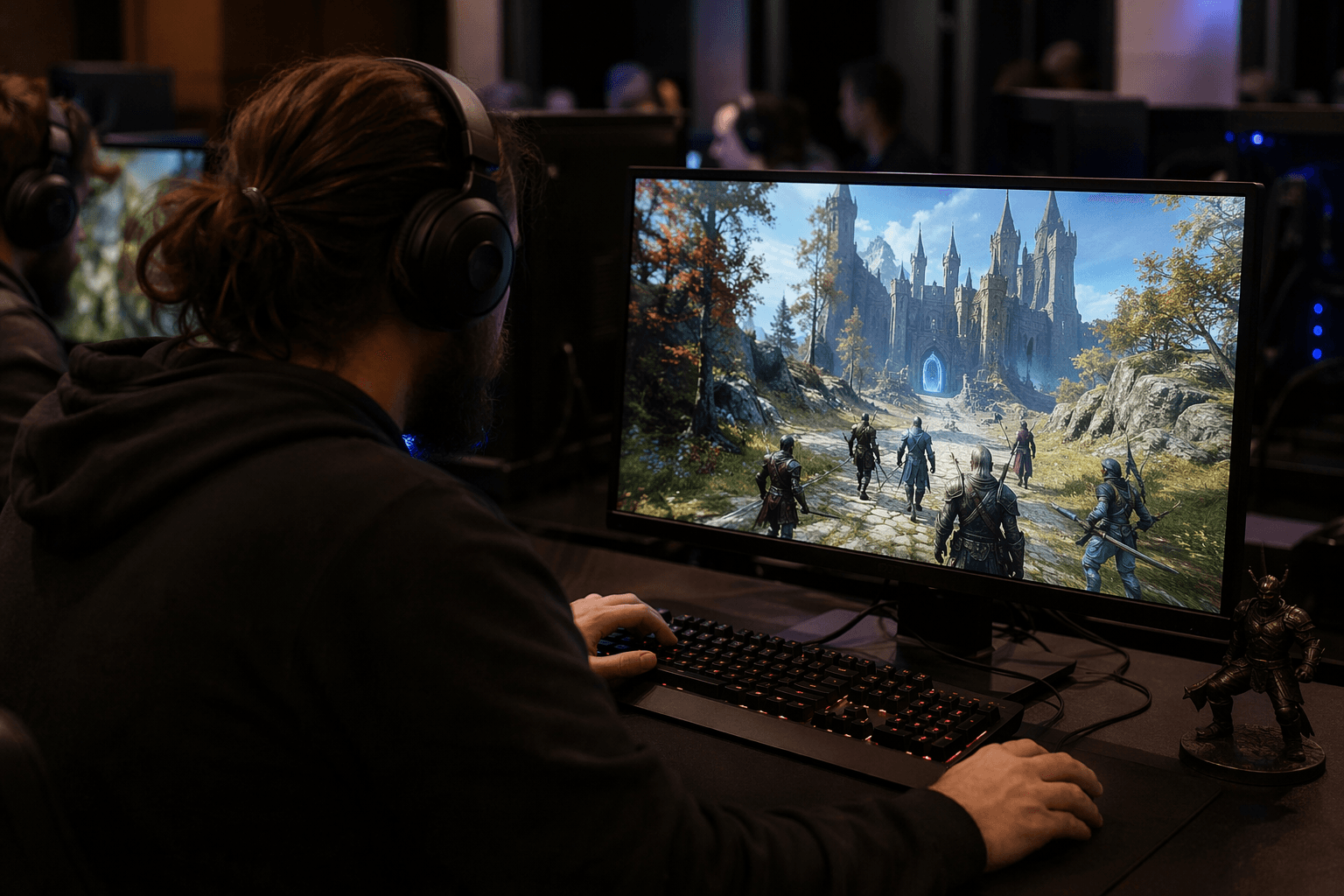
EverQuest Legends entered preorder open beta on July 1, 2026, as Daybreak Game Company pushed the revival toward its July 2026 launch target. By April 24, the project had drawn nearly 35,000 beta signups, a level of interest Daybreak said was growing rapidly each day.
Daybreak has framed the project as a collaboration with indie studio Game Jawn, calling it a “fan-driven passion project” built by people who genuinely love EverQuest. Game Jawn’s members are longtime EverQuest enthusiasts with experience developing emulators, and the new game is meant to be solo-friendly while still supporting groups of up to four and raids of up to eight. That scale sets it apart from many modern online games that chase larger, more expensive systems while struggling to hold players’ attention.

The original EverQuest first released in 1999, and Daybreak marked the game’s 25th anniversary on March 16, 2024. The company has also said that since 2015 it has allowed small, noncommercial EverQuest emulators to operate under rules and guidelines, an unusual acknowledgement of the fan-built infrastructure that kept Norrath active when the official game aged out of the mainstream spotlight.
Daybreak’s fact sheet says EverQuest Legends preserves the original art style, zones, spell effects, loot and music while adding quality-of-life improvements. At launch, the game is set to include the continent of Antonica, pre-Kunark, in the classic EverQuest style. The company’s pitch is clear: this is not a wipe-and-replace reboot, but a rebuilt version of a familiar world shaped by players who already know its rhythms.
The timing gives the project broader weight. Live-service publishers have spent years promising ever-expanding worlds, then cutting teams, cancelling projects and eroding player trust. EverQuest Legends moves in the opposite direction, leaning on tighter expectations, smaller party sizes and a community that has already spent years keeping the game’s culture alive. The result is a rare test of whether older online worlds can endure when their most devoted fans help carry the load.
This article was produced by Prism’s automated news system from verified source data, official records, and press releases, then run through automated quality and moderation checks before publishing. The system is built and supervised by the people who set the standards it runs under. Read our full AI policy.
Did this article answer your question?