Ex-Sunak aide pleads guilty to election day betting cheat charge
Craig Williams, Sunak’s former aide, admitted betting on the 2024 election date after secret Downing Street talks. The scandal has now drawn 15 charged in all.

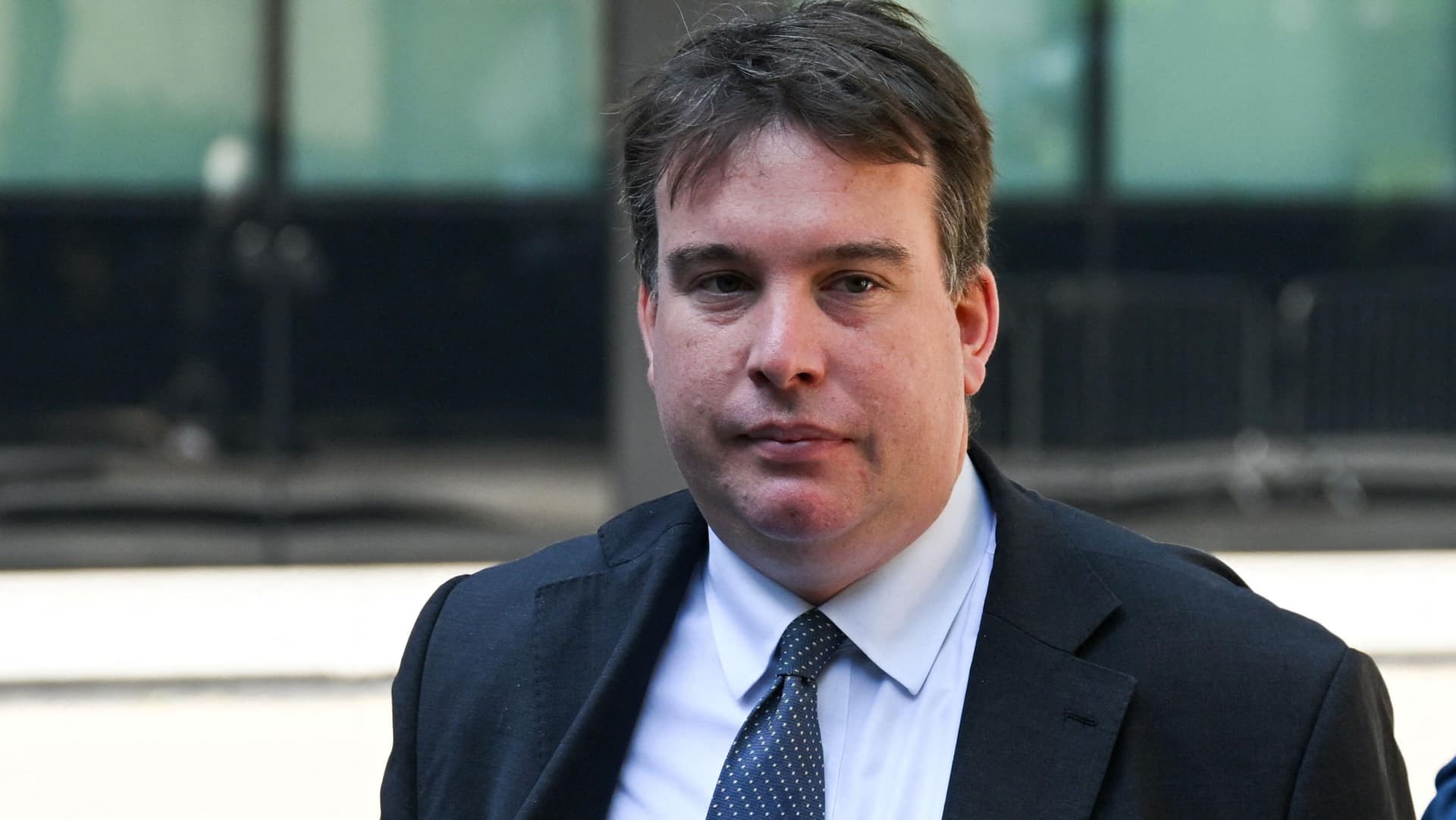
Craig Williams pleaded guilty at Southwark Crown Court to cheating at gambling over bets on the date of the 2024 general election while he was Rishi Sunak’s parliamentary private secretary. Prosecutors said Williams placed bets of £250, £100 and £22.50 after attending planning meetings in Downing Street and Conservative headquarters where the election date was discussed.
The Gambling Commission said the case involved sensitive and confidential information from within Conservative Party and government circles, giving Williams access to material the public did not have when he tried to profit from the timing of the contest. That access is what makes election betting uniquely corrosive: the market is supposed to reflect public judgment, not inside knowledge from Westminster corridors.
Sunak announced the general election on 22 May 2024 and set polling day for 4 July 2024. Williams, who lost his Montgomeryshire seat at that election, had already described his bet as a “huge error of judgement” when the scandal first emerged. His guilty plea now turns that admission into a criminal finding under section 42(1)(a) of the Gambling Act 2005, which carries a fine or up to two years in prison.
The case is part of a broader investigation into whether political figures and party staff used inside information to bet on the election date. The Gambling Commission charged 15 people in April 2025, and the remaining 12 defendants are due to stand trial in September 2027 and January 2028 after Williams and another defendant pleaded guilty. Among those charged were Tony Lee, Laura Saunders, Charlotte Lang, Thomas James, Russell George and a former police officer, alongside the Welsh Senedd member Anna McMorrin and others linked to the campaign and party machinery.
Amy Hind also pleaded guilty in the same scandal. For regulators, the legal tools now exist to punish election-related cheating, but the facts of this case show how fragile public trust becomes when political insiders can turn nonpublic election timing into a personal betting edge.
This article was produced by Prism’s automated news system from verified source data, official records, and press releases, then run through automated quality and moderation checks before publishing. The system is built and supervised by the people who set the standards it runs under. Read our full AI policy.
Did this article answer your question?

