Expert Guide: Realistic New Year’s Goals for High‑Energy Dogs
Expert reframes realistic New year's goals for high-energy dogs, prioritizing mental enrichment and targeted conditioning to curb destructive behavior and boost regulation.
An expert contributor reframed New year's goals for high-energy dogs into practical, well-being-focused targets that prioritize mental enrichment alongside targeted physical conditioning. That combination, the guidance explains, often reduces destructive behaviors and improves emotional regulation in energetic breeds, making daily life calmer for dogs and owners alike.
The core shift is simple: stop equating tiredness with long runs alone and start balancing varied cognitive work with context-specific exercise. Mental enrichment should include puzzle feeders, scent games, training foundations and early agility work; physical conditioning should include quality walks that allow sniffing and decompression followed by focused recall practice. The result is a routine that meets drive and gives the brain meaningful challenges, not just raw exertion.
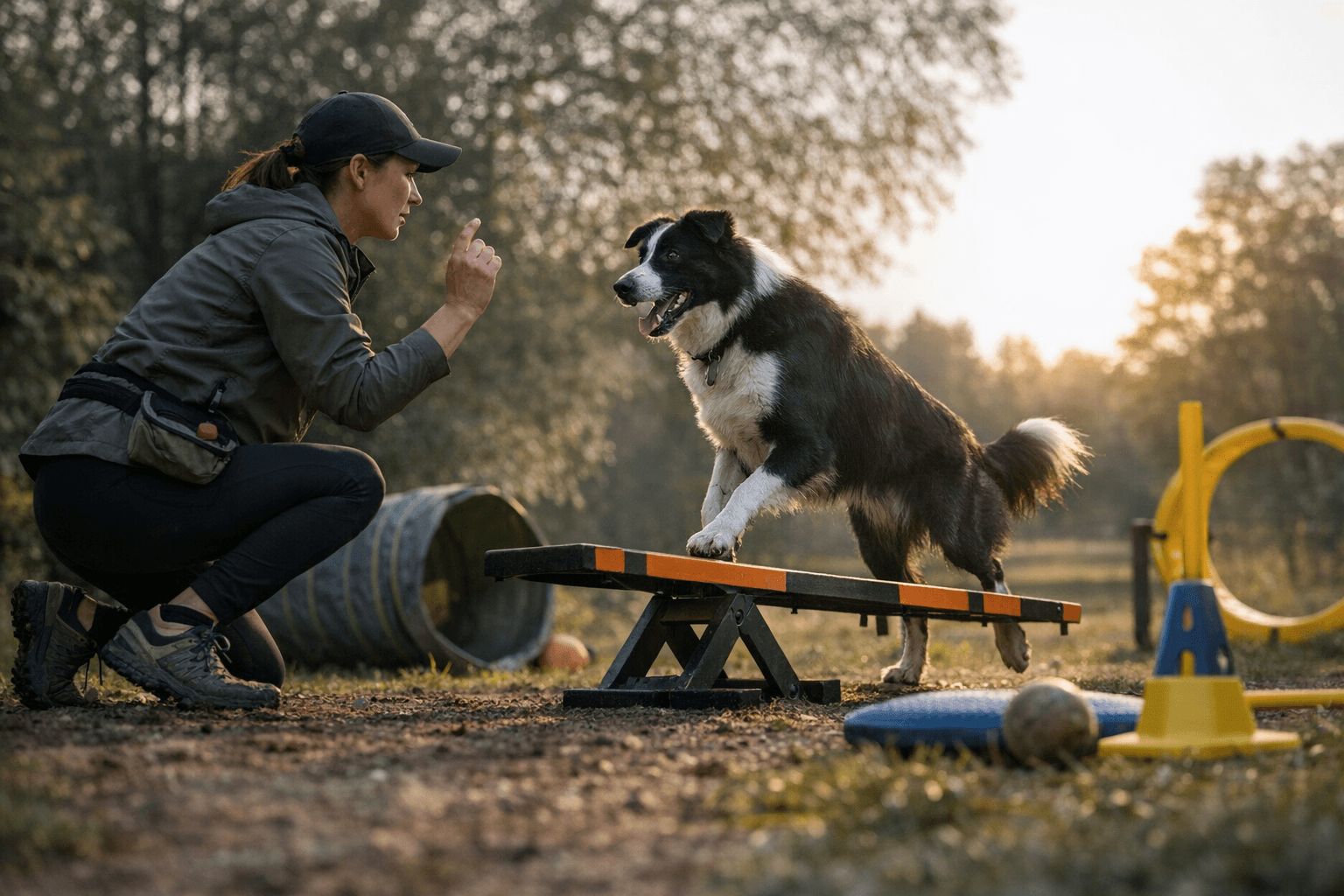
Practical examples make the approach accessible. Plan sniffari walks that prioritize nose time for exploration, then finish with a short bout of focused obedience or recall practice to reinforce control in stimulating environments. Introduce agility foundations through simple jumps, tunnels and targeting games to build coordination and focus before escalating difficulty. Use interactive games and puzzle feeders to stretch attention spans and reward problem-solving across the day rather than concentrating all stimulation into a single outing.
Training structure matters. Favor short, frequent sessions over marathon workouts; brief, successful repetitions build confidence and transferable skills without overwhelming the dog. Build impulse control through structured challenges embedded in daily routines: transition games at doorways, controlled greetings, and practice pausing before access to valued items. Vary context and difficulty gradually so gains in impulse control generalize from the yard to the park and home.
Balancing exercise type means matching purpose to environment. Reserve high-drive fetch or sprint work for a safe, enclosed field, and use neighborhood walks for sniffing and decompression. When practicing recall, choose low-distraction settings first and add complexity as the dog proves reliable. Adjust enrichment tools to the dog’s current skills so mental tasks are engaging but solvable.
For owners juggling schedules, the guide reframes achievable goals into daily micro-routines: a sniffari walk, two or three short training bursts, and a puzzle or scent game during downtime. Over weeks, this pattern often translates to fewer chewed items, calmer greetings, and a dog better able to settle.
What this means for you is clear: prioritize brainwork as deliberately as cardio, scaffold impulse control with structured practice, and tailor activity to context. Expect practical behavior gains and a steadier household rhythm as those New year's goals move from abstract resolutions to repeatable routines.
Know something we missed? Have a correction or additional information?
Submit a Tip