Experts Recommend Akadama-Pumice-Lava Mix for Indoor Bonsai as Growers Move Trees Indoors
Experts recommend a free‑draining akadama‑pumice‑lava mix to give indoor bonsai balanced drainage, aeration and moisture control as growers move trees inside.
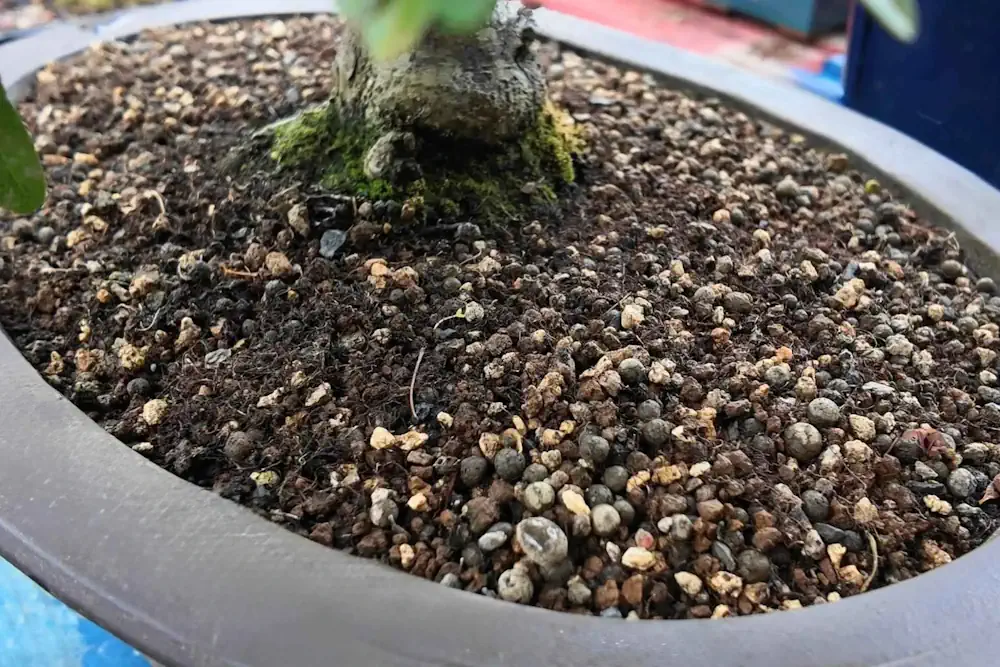
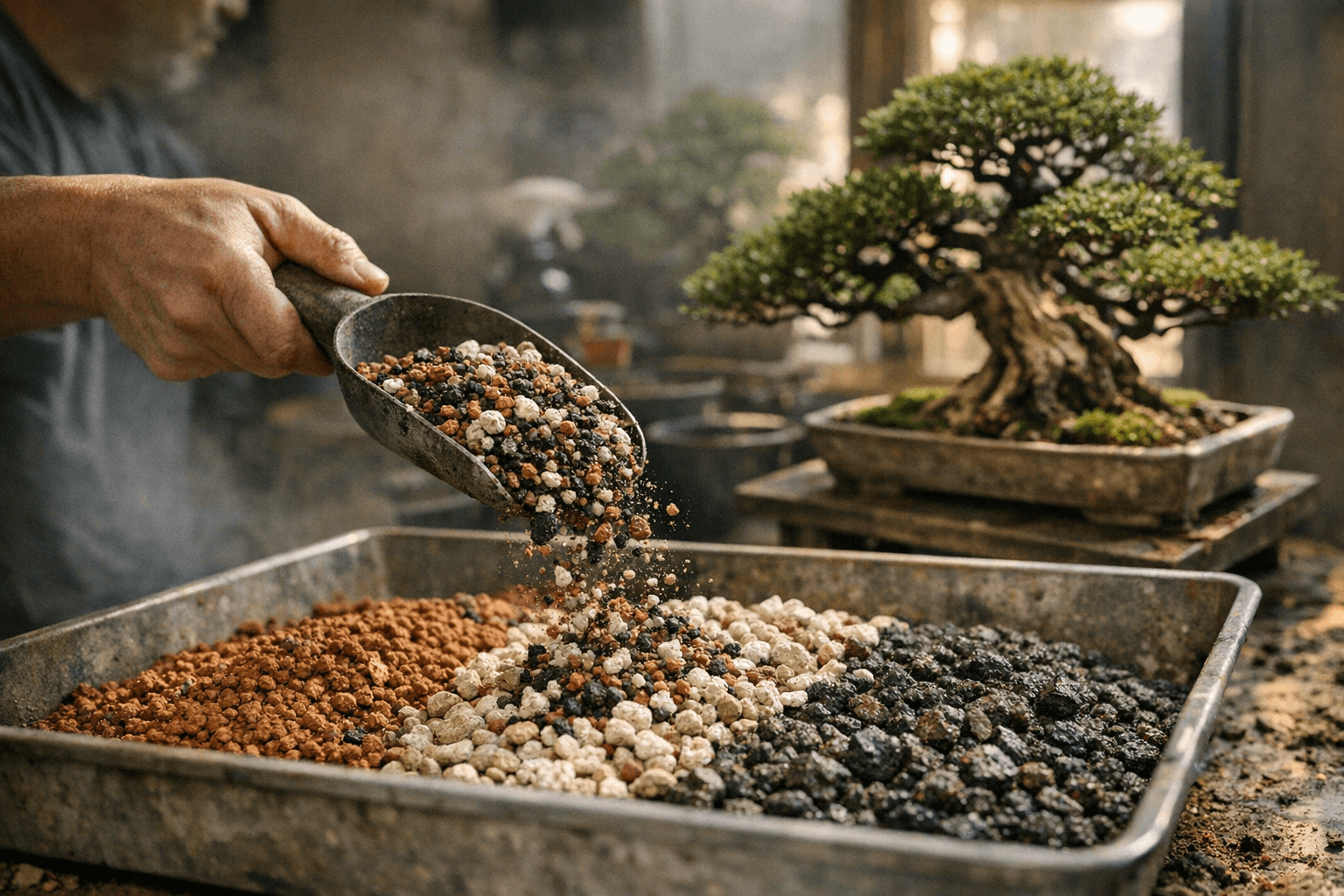
If you’re moving trees indoors this season, the soil under their roots is the place to start, not the pot or the light. MiyagiBonsai’s practical guide nails the point: “The best soil for indoor bonsai trees is a free‑draining, particle‑based mix built around akadama for moisture control, pumice for structure, and lava rock for aeration.” Below I unpack each component, why conventional potting mixes fail, and the soil‑linked care routines you’ll need once the trees come inside.
1. Akadama
Akadama is “by far the most common component of every bonsai soil mixture,” Bonsai2u notes, a hard‑baked Japanese clay subsoil made for potting bonsai. Its hardness means it breaks down slower than many other media, so it maintains structure over seasons while offering granular drainage and some water retention. Bonsai2u adds that because it’s imported from Japan it “can be quite pricey,” so growers often mix it with other components or reserve it for plants that need that specific performance.
2. Pumice
Pumice is “a soft volcanic rock” that plays the moisture‑holding and root‑friendly role in the trio, Bonsai2u explains: it “is great at absorbing water and nutrients,” allows roots to ramify, and helps retain a useful level of moisture without becoming soggy. In indoor situations where evaporation is slower, pumice helps keep available water between waterings while still contributing to overall porosity.
3. Lava rock
Lava rock is the structural, aerating component: as Bonsai2u puts it, lava rock “retains water and gives your bonsai soil a good structure,” but it’s also a material into which “your bonsai’s roots can’t grow into it.” That makes lava rock valuable for maintaining channels of air and preventing compaction in shallow bonsai pots, especially important indoors where airflow tends to be reduced.
4. Fine gravel and sand
Fine gravel and sand are the porosity tuning tools. Bonsai2u says “Fine gravel is the key to creating a well draining bonsai soil mix. You can use it at the bottom of your pot to improve drainage.” Use clean fine gravel beneath the root mass to prevent waterlogging of the shallow rootball and to keep the particle matrix stable over time.
5. Organic potting compost (when used carefully)
Bonsai2u cautions that organic potting compost, “typically made of a mixture of moss, perlite and sand”, “on its own … retains too much water without allowing aeration.” MiyagiBonsai and Bonsai2u converge on the same point: compost is generally unsuitable as the sole medium for bonsai in shallow pots, but it can be included sparingly for species that require more consistent moisture. Treat it as a component, not the base.
6. Why conventional potting soil fails indoors
MiyagiBonsai’s FAQ is blunt: “Regular houseplant soil is not suitable for indoor bonsai trees. It is designed to retain moisture for longer periods, which can restrict airflow around bonsai roots. Bonsai soil uses coarse, free‑draining particles to improve oxygen flow and prevent waterlogging in shallow pots.” BonsaiOutlet echoes the warning: “Don’t make the classic mistake of using regular potting soil for your bonsai. Normal potting soil is far too dense.” The result indoors is slower evaporation, reduced oxygen at the root surface, and an increased risk of root rot.
7. Retail mixes and processing notes
If you don’t want to blend components yourself, retail mixes are available. BonsaiOutlet advertises that “The bonsai soil mix we offer is carefully blended and sifted to remove dust. This process makes it ideal for water retention, aeration and root development.” Sifting to remove fines is a common commercial step because dust and silt reduce porosity; reputable retail mixes can save time but check ingredient lists so you know whether akadama, pumice and lava rock are the base.
8. Watering, feeding and indoor context
The soil you use changes how you water. Chelseagardencenter summarizes the linked care rule: “Keep the soil evenly moist, allowing the top inch to dry between waterings. Overwatering can lead to root rot, while under watering can stress the tree. Use a well‑draining bonsai soil mix for best results.” MiyagiBonsai adds the rationale: the particle‑based mix “gives you better control over watering and feeding, which matters more inside than outdoors” because light and airflow are limited and evaporation is slower. For fertilization, Chelseagardencenter advises: “Use a balanced, water‑soluble fertilizer every 4–6 weeks during the growing season.”
9. Pots, repotting cadence and timing
Leavesandsoul stresses basic hardware: “Use a bonsai‑specific pot with drainage holes to prevent root rot. Well‑draining soil is also crucial to allow for proper air circulation around the roots.” On repotting, Leavesandsoul recommends refreshing soil “every couple of years” and says repotting is “best done during the early spring, just before the growing season begins.” Chelseagardencenter’s guidance expands that window to “every 2–3 years to refresh soil and check root health.” Those lines reconcile: aim for multi‑year intervals and plan repotting in the pre‑growing season window to minimize stress.
10. Light, humidity and how they change soil behavior indoors
Chelseagardencenter highlights that “Most indoor bonsai trees thrive in bright, indirect light. Placing your bonsai near a sunny window will help it flourish. Avoid direct, harsh sunlight for prolonged periods, which can scorch delicate leaves.” It also warns that “Indoor air can be dry, especially in winter. Grouping houseplants together, humidifiers, and pebble trays are all effective ways to raise humidity around plants.” Lower light and drier air alter evaporation and root demand; the akadama‑pumice‑lava matrix is recommended because it moderates moisture availability while preserving oxygen around roots.
- Q: “Can I use regular houseplant soil for indoor bonsai trees?” A: “Regular houseplant soil is not suitable… Bonsai soil uses coarse, free‑draining particles to improve oxygen flow and prevent waterlogging in shallow pots.”
- Q: “What is the best soil mix for indoor bonsai trees?” A: “The best soil mix for indoor bonsai typically combines akadama, pumice, and lava rock. This blend balances moisture retention, drainage, and aeration, helping roots stay healthy in indoor conditions where evaporation is slower than outdoors.”
11. FAQs and plain takeaways
MiyagiBonsai’s two explicit Q&As cut to the chase:
MiyagiBonsai also frames who benefits: “For beginners, starting with a well‑balanced indoor bonsai soil mix removes much of the guesswork. For experienced growers, fine‑tuning soil ratios leads to stronger roots, steadier growth, and fewer problems below the surface.” Take that sentence as a final practical note: start with the akadama‑pumice‑lava template; adjust the mix toward more pumice or a touch of compost only if specific species and indoor conditions call for extra moisture.
Conclusion The repeated message across guides and sellers is simple and specific: indoors, you need a particle‑based medium that balances moisture with airflow. MiyagiBonsai’s prescription, akadama for moisture control, pumice for structure, lava rock for aeration, matches the component descriptions from Bonsai2u and the practical cautions from BonsaiOutlet, Leavesandsoul and Chelseagardencenter. If you move your trees inside this season, start by swapping dense houseplant compost for a free‑draining blend and schedule repotting and watering around the pre‑growing season checklist outlined above, because in indoor bonsai, soil is not just filler, it’s the first line of care.
Know something we missed? Have a correction or additional information?
Submit a Tip