Extreme heat, flash flooding and severe storms threaten millions this weekend
Millions face a weekend of heat, flooding and storms as East Coast records fall and severe weather spreads from the Plains to the Mid-Atlantic.

A dangerous weather stack is unfolding at once across much of the country, with extreme heat, flash flooding and severe thunderstorms threatening millions as summer pressure builds before the season has fully settled in. The National Weather Service said a widespread heat wave is peaking over the South and East, and several dozen temperature records are expected along the East Coast.
The heat threat is not confined to one corridor. Hazardous conditions are continuing in the South, Southwest and central California, and the Weather Service said the heat will build into the Pacific Northwest on Sunday. Heat should begin to ease this weekend in the Northeast, but much of the South remains under the strain of persistent high temperatures, a pattern that can deepen health risks and stress local power and emergency systems at the same time storms are forming elsewhere.
On the storm side, the Weather Service warned that severe thunderstorms today may bring damaging winds, large hail, tornadoes, heavy rainfall and numerous instances of flash and urban flooding across parts of the Plains into the Missouri Valley. It also said scattered severe thunderstorms capable of damaging wind gusts are expected Sunday across the Mid-Atlantic vicinity. That overlap of hazards, heat in one region and fast-moving storm threats in another, leaves communities juggling shelter, cooling and flood response all at once.

NOAA’s Climate Prediction Center has also flagged the broader pattern ahead. Its June 2026 monthly outlook was built partly from the NOAA Weather Prediction Center’s first-week temperature and precipitation forecasts and from the Week 3-4 outlook, which runs Saturday, June 20, 2026, through Friday, June 26, 2026. The NOAA Week 2 Hazards Outlook, issued June 12, said extreme heat is favored early in that period in parts of the Carolinas and Florida, where mid-level high pressure is expected to keep temperatures elevated.
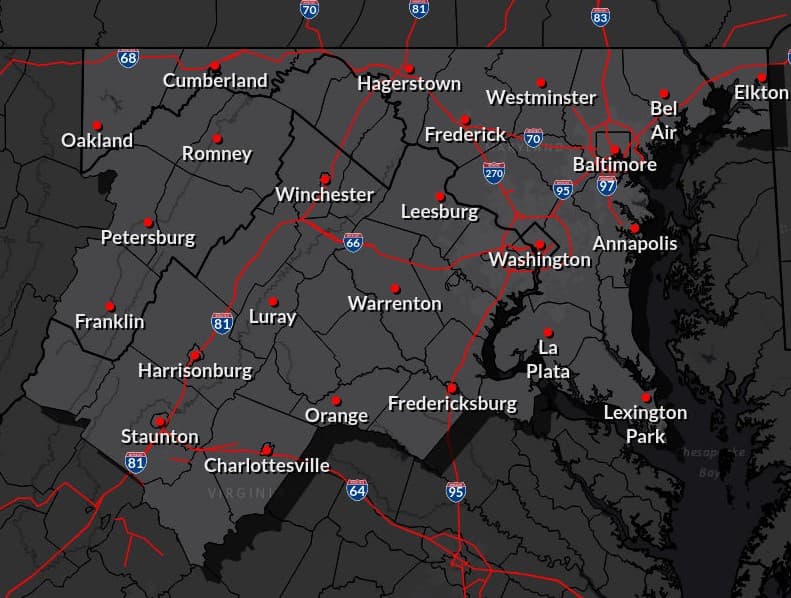
The warning signs are already backed by a long record of past extremes. NOAA National Centers for Environmental Information says Storm Events Database data run from January 1950 through February 2026, while Climate Data Online provides free access to historical weather and climate data along with station history information. In a season that is opening with compound risk, those records are more than archives. They are a measure of how quickly the atmosphere is loading the dice against communities that must prepare for heat, wind and flooding at the same time.
This article was produced by Prism’s automated news system from verified source data, official records, and press releases, then run through automated quality and moderation checks before publishing. The system is built and supervised by the people who set the standards it runs under. Read our full AI policy.
Did this article answer your question?

